
 Urgent? WhatsApp a buyer









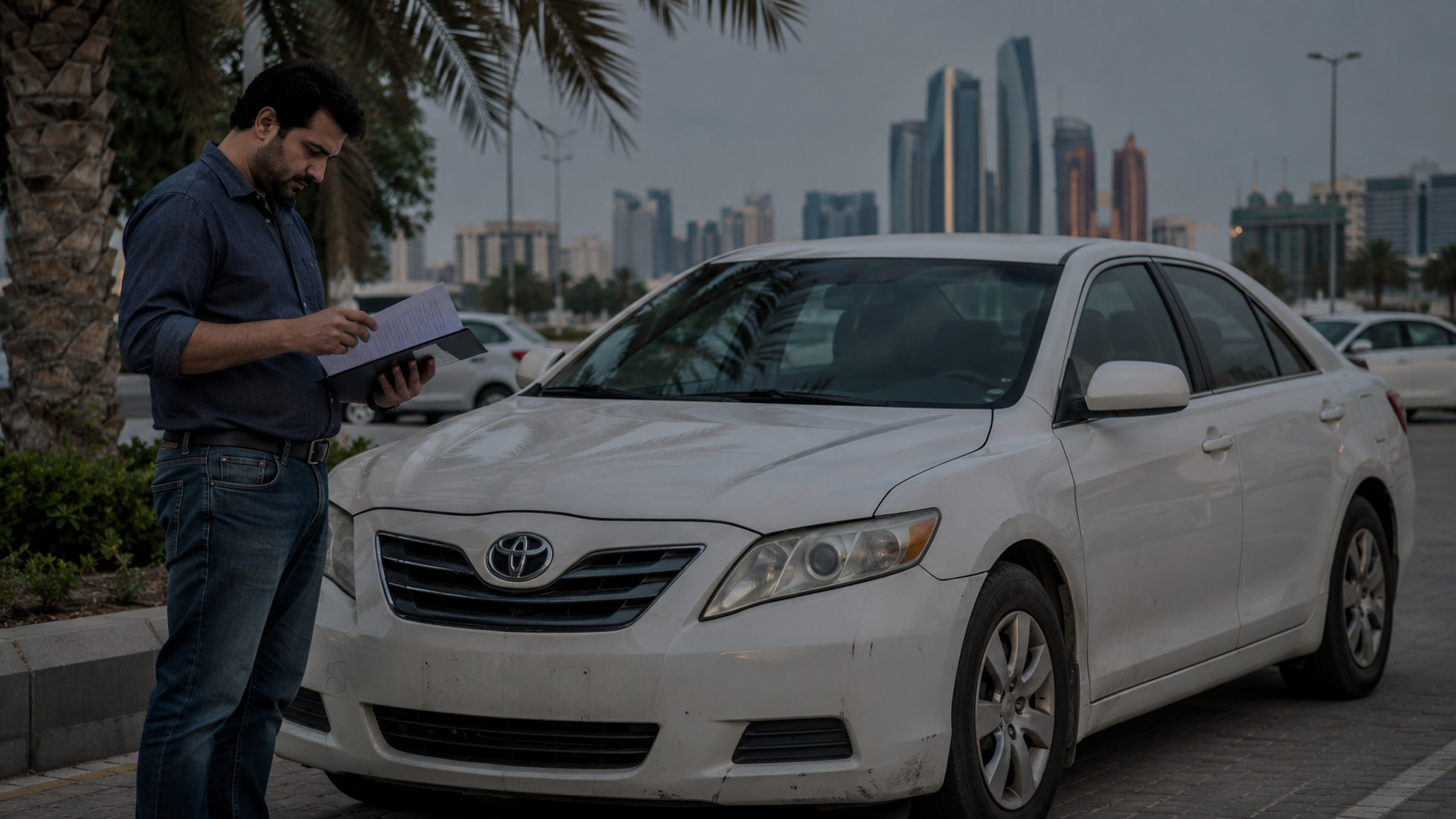
Car Payment Comes From Someone Other Than the Buyer: Resolve the Mismatch Before Handover
Car Payment Comes From Someone Other Than the Buyer: Resolve the Mismatch Before Handover
Selling your car in Abu Dhabi should involve a clear agreement, verified payment, and a safe ownership transfer. However, some sellers receive money from someone other than the agreed buyer. A third party payment car sale UAE situation needs extra attention before handover. If the payer’s name differs from the buyer’s name, stop and check the arrangement. Confirm who sends the money, why another person pays, and who will own the vehicle. Most importantly, verify the funds through your bank before releasing the car, keys, or documents.
A different payer does not automatically mean someone wants to commit fraud. For example, a family member may help the buyer with payment. Similarly, a company may pay for an employee’s vehicle. However, a name mismatch can create confusion if the parties fail to explain their roles.
Therefore, Abu Dhabi sellers should understand the payment source before completing any transaction. Clear records and careful verification help protect both the seller and the legitimate buyer.
Understanding Third Party Payment Car Sale UAE Transactions
A third-party payment happens when someone outside the direct buyer-seller agreement sends the money.
For example, you agree to sell your Toyota Camry to Ahmed. However, your bank statement shows a transfer from another person.
Ahmed may explain that his brother sent the payment. Alternatively, a business partner may have transferred the money.
These arrangements can have legitimate reasons. Nevertheless, the seller should never assume that an unfamiliar payment source is safe.
A car sale usually involves three important roles:
-
The seller: The person who currently owns the vehicle and agrees to sell it.
-
The buyer: The person or company that agrees to purchase the vehicle.
-
The payer: The person or company that sends the purchase money.
Sometimes, the buyer and payer are the same person. However, they may have different identities.
Therefore, sellers should identify all three roles clearly.
Additionally, they should understand the connection between the buyer and payer. This information helps prevent confusion during payment, ownership transfer, and possible disputes.
Why a Car Buyer Payer Name Mismatch Matters
A car buyer payer name mismatch creates uncertainty about the financial arrangement.
For example, you may negotiate with one person through WhatsApp. However, another name appears in your bank transaction.
The buyer may offer a reasonable explanation. Nevertheless, the payment information needs careful checking.
Several problems can arise when sellers ignore this difference.
First, the actual account holder may dispute the payment. Second, someone may claim that the buyer lacked permission to use the money.
Additionally, a dishonest buyer may involve another person’s account without proper authorization.
A seller may also receive confusing refund instructions. For example, the buyer may request a refund to an account different from the original payment source.
Consequently, the seller could lose money through a separate transfer.
A different payment name alone does not prove fraud. However, it gives the seller a clear reason to verify the arrangement.
Therefore, treat every unexplained payer mismatch as an issue that needs resolution before handover.
Verify Payment Source Before Car Handover in Abu Dhabi
The safest approach starts with checking the actual payment.
First, open your banking application through its normal official access method.
Next, review your account balance and transaction history.
Then, confirm that the bank has credited the expected amount to your account.
However, do not rely only on an SMS notification or a screenshot.
A screenshot can show incorrect information. Someone may also create an image that looks like a genuine bank confirmation.
Therefore, use your own bank records to check the transaction.
If the payment source looks unfamiliar, contact your bank through an official channel.
Explain that you received money connected to a vehicle sale. Additionally, explain that the sender’s name differs from the buyer’s name.
Ask the bank to clarify the transaction information it can share.
Your bank may have privacy limits. Nevertheless, it can explain available verification steps and possible account concerns.
Importantly, a visible credit alone cannot guarantee that nobody will ever dispute the transaction.
Therefore, resolve any suspicious circumstances before continuing with the sale.
Identify the Buyer Before Accepting the Arrangement
Before selling your car, establish the buyer’s identity.
For an individual buyer, check suitable identity documents during the legitimate transaction process.
Additionally, compare the buyer’s name with the sale agreement.
The buyer should understand the vehicle details, price, and transfer conditions.
For example, someone purchasing a Nissan Patrol should confirm the agreed model and final price.
Also, the buyer should clearly identify the person who will receive ownership.
Avoid relying on a WhatsApp display name as proof of identity.
Similarly, do not assume that a phone number confirms someone’s legal identity.
Instead, use appropriate official identification and ownership transfer procedures.
If the buyer represents a company, check the company’s details and the representative’s authority.
Furthermore, explain that you must verify any separate payer before handover.
A genuine buyer should understand reasonable payment checks.
However, remain cautious if the person refuses to identify the payer.
You do not need to continue a transaction while important payment details remain unclear.
Confirm Why Another Person Sends the Car Payment
A third-party payment can happen for several ordinary reasons.
For instance, parents may help their children purchase a first car.
Similarly, spouses may use different bank accounts for household purchases.
Business partners may also arrange payments through one authorized account.
However, the reason should make sense within the agreed transaction.
Ask the buyer to explain the payer’s involvement clearly.
Then, confirm that the payer understands the transaction.
For example, the buyer may explain that his father will pay for a Honda Accord.
In that situation, the seller should establish whether the father knowingly authorized the payment.
Additionally, the parties should agree on the person who will receive vehicle ownership.
The seller should not accept vague statements such as “someone will transfer the money.”
Instead, request a clear explanation before payment.
When the arrangement involves unusual circumstances, ask your bank or a qualified adviser about suitable safeguards.
Most importantly, never treat a verbal explanation as a substitute for bank verification.
Record the Buyer and Payer Details in Writing
Clear written records can reduce misunderstandings.
Therefore, prepare a sale agreement that identifies the buyer and vehicle.
Include the agreed price and payment method.
If another person will pay, document that arrangement separately.
For example, the agreement can state that the buyer arranges payment through an identified third party.
The parties should also confirm that the third party knows the payment purpose.
However, avoid treating a simple written statement as complete proof of bank authorization.
Your bank may recommend additional checks for unusual transfers.
A useful transaction record can include:
-
The seller’s full name.
-
The buyer’s full name.
-
The vehicle make, model, and identification details.
-
The agreed purchase price in AED.
-
The payment date and payment method.
-
The payer’s name, where appropriate.
-
The reason for the different payer.
-
The confirmed ownership transfer arrangement.
-
The agreed handover conditions.
Additionally, keep the relevant transaction reference.
Store these records securely and limit access to people who genuinely need them.
Consequently, you can explain the sale more clearly if a dispute arises.
Recognize Common Third Party Payment Car Sale UAE Warning Signs
Not every unusual payment indicates fraud. However, certain behaviors deserve immediate attention.
For example, a buyer may refuse to explain who sent the money.
Alternatively, the buyer may claim that payment verification takes too long.
Some buyers also pressure sellers to release vehicles before completing proper checks.
Watch for these warning signs:
-
The buyer refuses to provide a reasonable explanation for the payer mismatch.
-
The buyer sends only a payment screenshot and demands immediate handover.
-
The buyer changes the receiving owner’s name without a clear reason.
-
The buyer asks you to refund money to an unrelated account.
-
The buyer sends suspicious banking links.
-
The buyer asks for your banking password or one-time password.
-
The buyer claims an unknown bank employee has already approved the payment.
-
The buyer wants the vehicle before your bank confirms the transaction.
-
The buyer changes the payment amount without agreement.
-
The buyer uses threats or repeated pressure to rush your decision.
Each warning sign needs attention.
However, several warning signs together create greater concern.
Therefore, stop the transaction when the payment arrangement becomes suspicious.
Contact your bank through verified contact information. If you suspect fraud, report the matter through appropriate official channels.
Never Trust a Payment Screenshot Alone
Payment screenshots can help explain a transaction. However, they do not independently prove that your account received the money.
A buyer may send a screenshot that shows a successful transfer.
Nevertheless, your banking application may show no matching credit.
Sometimes, the sender may have initiated a transfer that has not reached your account.
Alternatively, the screenshot may contain false information.
Therefore, never release your car based only on an image.
Open your banking application yourself.
Next, check the account where you expected payment.
Compare the transaction amount against your agreed selling price.
Then, review the available transaction details.
If anything looks unusual, speak directly with your bank.
Avoid opening banking links that unknown people send through messages.
Instead, use your bank’s official application or verified website.
These simple steps can help prevent avoidable losses.
Handle a Car Buyer Payer Name Mismatch During Bank Transfers
Bank transfers often provide a convenient way to receive car payments in Abu Dhabi.
However, sellers must check the details carefully.
Suppose you agree to sell your Mazda6 for AED 32,000.
The buyer tells you that his business partner will send the funds.
Later, your account receives AED 32,000 from an unfamiliar name.
First, confirm the amount in your own banking records.
Next, ask the buyer to explain the payment source.
Then, establish the payer’s relationship with the buyer.
If possible, arrange a suitable confirmation from the payer through an independently established contact channel.
However, do not assume that a WhatsApp message proves the account holder’s identity.
If you cannot establish who authorized the transfer, contact your bank.
The bank can explain its available verification and dispute procedures.
Additionally, document any authorized third-party arrangement.
Finally, proceed only when you understand the payment and feel confident about the transaction.
Do not allow the buyer to rush these steps.
Be Careful With Requests to Refund Third-Party Payments
Refund requests deserve special attention during car sales.
For example, a buyer may claim that another person accidentally transferred too much money.
Then, the buyer may request an immediate refund.
The buyer might also provide a different bank account for the repayment.
This situation creates significant risk.
A seller could send money to a new account and later face a dispute concerning the original transfer.
Therefore, never make a separate refund simply because the buyer requests one.
First, contact your bank.
Explain the original transfer and the requested refund.
Then, ask about the appropriate return or reversal procedure.
Your bank can explain how to handle the funds through its authorized processes.
Additionally, avoid withdrawing the money for someone else.
Do not transfer the funds to another individual, wallet, or business without proper verification.
Most importantly, do not act as a middle person for unexplained payments.
A genuine buyer should accept reasonable financial safeguards.
Check Company Payments for Private Car Purchases
Some Abu Dhabi buyers arrange payments through company accounts.
For example, a business owner may want to purchase a used Lexus.
However, the buyer may ask the company to send the purchase amount.
This situation needs additional checks.
First, identify the company that will make the payment.
Next, establish the buyer’s connection to that company.
Then, confirm whether an authorized representative approved the transaction.
A company name on a payment receipt does not automatically prove authorization.
Therefore, consider appropriate company documents or confirmation through established business channels.
You should also establish who will own the vehicle.
The buyer may intend to register the vehicle personally.
Alternatively, the company may become the registered owner.
These arrangements involve different parties and documentation needs.
Therefore, ensure that the sale agreement matches the intended ownership transfer.
If the arrangement becomes complicated, seek qualified guidance before accepting payment or releasing the vehicle.
Verify Payment Source Before Car Handover at the Transfer Stage
Payment verification and ownership transfer serve different purposes.
Payment verification helps establish the financial arrangement.
Meanwhile, ownership transfer changes the vehicle’s registered owner.
Therefore, sellers should coordinate both processes carefully.
Abu Dhabi offers vehicle ownership transfer services through official channels, including TAMM. The government also provides digital vehicle licensing services through UAE Pass.
However, official registration does not automatically resolve a private payment dispute.
Consequently, complete your financial checks before authorizing the final handover.
For added protection, Abu Dhabi Mobility has introduced Shary, a digital vehicle transaction service with an escrow arrangement. Its announced process holds the purchase funds until the parties complete the required ownership transfer conditions.
Sellers can review applicable terms and eligibility before choosing that option.
Regardless of the method, confirm the ownership transfer through the official system.
Additionally, check that the registered buyer matches your agreed transaction.
Never give someone control of the vehicle while essential payment issues remain unresolved.
Keep the Car, Keys, and Documents Until You Resolve the Mismatch
A car sale involves more than receiving money.
The seller also transfers physical possession and important documents.
Therefore, a payment issue can become more serious after the buyer takes the vehicle.
For example, imagine that someone sends payment from an unfamiliar account.
The buyer immediately asks to collect the car.
However, the seller still cannot confirm the payer’s involvement.
In this situation, the seller should delay handover.
Keep the car in your possession until you complete the necessary checks.
Also, protect the keys, registration documents, and access devices.
Do not release the vehicle merely because the buyer has arrived at your location.
Similarly, do not allow pressure from a transport driver to change your decision.
A collection driver may not know anything about the financial agreement.
Therefore, communicate directly with the actual buyer.
Once you resolve the payment, complete the official transfer and agreed handover process.
Avoid Giving Someone Your Banking Login Information
A car buyer needs suitable payment details to send money.
However, the buyer does not need your online banking password.
Similarly, nobody needs your banking one-time password to prove that they paid you.
Some fraud attempts involve fake banking verification requests.
For example, someone may claim that the seller must approve a payment through a special link.
The link may lead to a fraudulent website.
Alternatively, the person may ask the seller to share a verification code.
Therefore, protect your banking credentials throughout the sale.
Never share:
-
Banking passwords.
-
One-time passwords.
-
Card security codes.
-
Online banking recovery codes.
-
UAE Pass approval codes.
-
Sensitive login information.
Also, review every UAE Pass approval request before accepting it.
Avoid approving requests that you did not personally start or cannot explain.
If someone asks for these details, stop the conversation and contact your bank.
Use Clear Communication During an Abu Dhabi Car Sale
Clear communication can prevent disagreements before they become serious.
Therefore, explain your payment conditions early.
For example, tell the buyer that you need to verify the payment source before handover.
Also, explain that you will check any differences between buyer and payer names.
A legitimate buyer can plan around these reasonable steps.
Additionally, agree on a suitable payment method before meeting.
Discuss the final purchase price, collection arrangements, and ownership transfer.
If a relative or company will pay, identify that arrangement before the transfer.
Consequently, neither party needs to resolve a surprise mismatch at the last minute.
Keep important confirmations in writing.
However, avoid sharing unnecessary personal details through public messages or unfamiliar links.
Professional communication helps establish clear expectations for everyone.
Selling Your Car in Khalifa City, Mussafah, or Al Reem Island
Abu Dhabi sellers encounter different buyer arrangements across the city.
For example, someone in Khalifa City may negotiate directly with a private buyer.
Meanwhile, a seller in Mussafah may receive an offer from a vehicle trader.
A resident of Al Reem Island may also arrange a vehicle inspection before accepting payment.
Although locations differ, the same financial safeguards apply.
First, identify the buyer.
Next, confirm the payment arrangement.
Then, verify the funds before completing handover.
Avoid assuming that a buyer’s location or professional appearance guarantees payment safety.
Similarly, a convenient meeting place does not replace proper transaction checks.
Whether you live in Al Khalidiyah, Baniyas, or Mohammed Bin Zayed City, protect your financial details.
Additionally, choose a suitable and safe location for any physical meeting.
If possible, complete sensitive steps through appropriate official or banking channels.
These habits can help sellers throughout Abu Dhabi.
Selling a Car to a Buyer From Another Emirate
Some Abu Dhabi sellers receive offers from Dubai, Sharjah, or other emirates.
These buyers may arrange payment through relatives or business associates.
However, distance can make identity checks more difficult.
For example, a buyer from Dubai may send a driver to collect a Toyota Land Cruiser.
Meanwhile, another person may send the payment.
This arrangement involves several separate individuals.
Therefore, establish each person’s role before agreeing to handover.
The buyer should identify who will complete the ownership transfer.
Additionally, clarify whether the collection driver has authority to receive the car.
Do not assume that the driver also represents the payer.
Most importantly, verify the payment before allowing collection.
Check the appropriate official transfer requirements for the buyer’s intended registration.
If anything remains unclear, delay the exchange.
A long-distance transaction should never force you to accept unexplained financial risks.
Understand the Difference Between a Payment Reference and Payment Proof
Payment references can help sellers track transactions.
However, a reference number alone does not establish that the seller received valid funds.
For example, someone may send a transfer reference through WhatsApp.
The number may resemble a genuine banking record.
Nevertheless, the seller must still check the transaction independently.
First, review the actual account history.
Then, compare the amount and available reference information.
If the transfer does not appear, contact your bank.
Similarly, do not assume that every payment notification has come from your bank.
Fraudsters may imitate familiar notification formats.
Therefore, access your banking application directly rather than following an unknown message link.
A reference can support your records.
However, your own bank’s information provides a more reliable basis for checking receipt.
Even after you see a credit, unresolved authorization concerns still deserve investigation.
Do Not Accept Unexplained Partial Payments
Some buyers divide the purchase amount into several transfers.
For example, a buyer may arrange three payments from different accounts.
One payment may come from the buyer.
Another may come from a relative.
Meanwhile, the final payment may come from an unknown company.
Although split payments can have legitimate explanations, they increase the number of details sellers must verify.
Therefore, agree on the payment structure in advance.
Record the expected amounts and sources.
Then, check each transfer separately.
Do not release the vehicle simply because the total amount appears correct.
Instead, resolve any unfamiliar or unexplained payment.
Additionally, avoid making refunds or adjustments without checking with your bank.
If several unrelated people become involved, consider requesting a simpler payment arrangement.
A clear transaction usually creates fewer opportunities for misunderstanding.
Protect Yourself From Fake Urgency
Some buyers use urgency to influence sellers.
For example, they may claim that a vehicle transport truck has already arrived.
Alternatively, they may say that a family member needs the car immediately.
A buyer may also insist that the payment cannot wait.
However, urgency does not remove the need for verification.
A seller should never transfer ownership merely to satisfy someone else’s schedule.
Instead, maintain the original payment conditions.
If the payer’s name differs from the buyer’s name, complete your checks first.
A serious buyer can explain the arrangement and cooperate with reasonable safeguards.
Furthermore, avoid making financial decisions under emotional pressure.
Someone may become angry or threaten to cancel the deal.
Nevertheless, losing a sale can be better than accepting an unresolved financial risk.
Your vehicle remains a valuable asset.
Therefore, protect it until the transaction meets your agreed conditions.
Keep a Proper Record of the Car Sale
Good records help sellers remember the details of complicated transactions.
Additionally, they can support later discussions with banks or relevant authorities.
Create a clear record before final handover.
Include the vehicle details, agreed purchase price, and buyer information.
If a third party pays, record the reason and the relevant confirmations.
Also, keep the bank transaction reference and important messages.
For example, you can organize records by date.
Save the original offer and final price agreement.
Next, retain evidence of the buyer’s agreed payment method.
Then, record the ownership transfer confirmation.
Finally, document the actual handover.
However, protect the personal information within these records.
Do not upload identity documents to public websites or share them with unrelated people.
Use secure storage and follow applicable privacy requirements.
Clear documentation cannot prevent every dispute, but it can help explain what happened.
A Practical Example of a Legitimate Third-Party Payment
Imagine that an Abu Dhabi resident wants to sell a Honda Civic.
The seller agrees on a purchase price of AED 28,000.
However, the buyer explains that his father will provide the money.
The seller now has a possible third-party payment arrangement.
First, the seller confirms the buyer’s identity.
Next, the seller discusses the father’s involvement.
The parties then record the intended payment arrangement.
Additionally, the seller establishes who will become the registered owner.
The father sends the agreed money through a bank transfer.
Afterward, the seller checks the credit through the official banking application.
If the payment details raise concerns, the seller contacts the bank before proceeding.
Once the seller resolves the financial questions, the parties complete the official transfer.
Finally, the seller releases the car according to their agreement.
This example shows how clear roles can make a third-party arrangement easier to manage.
A Practical Example of a Suspicious Payment Arrangement
Now imagine that someone offers to purchase a used BMW in Abu Dhabi.
The buyer agrees to pay AED 45,000.
However, the seller receives a screenshot showing payment from an unfamiliar company.
The buyer immediately asks for the keys.
The seller checks the bank account but cannot find the payment.
Next, the buyer claims that the bank needs several hours to update the balance.
The buyer also insists that the seller release the vehicle immediately.
This situation contains several warning signs.
First, the seller cannot confirm receipt.
Second, the payer’s identity remains unexplained.
Additionally, the buyer pressures the seller to complete handover.
Therefore, the seller should stop the transaction.
The seller should contact the bank through an official channel.
Moreover, the seller should avoid sharing any sensitive banking information.
If fraud appears likely, the seller should preserve relevant evidence and contact the appropriate authorities.
The seller should not release the vehicle while the payment remains uncertain.
How iCarsU.com Can Help Abu Dhabi Car Sellers
Private car sales can involve advertising, negotiations, inspections, payment discussions, and ownership transfer arrangements.
Additionally, sellers may need to communicate with several interested buyers.
Every extra participant can make the transaction more complicated.
For example, one person may negotiate the price while another arranges payment.
Meanwhile, someone else may collect the vehicle.
Therefore, many owners prefer a more direct selling process.
At iCarsU.com, Abu Dhabi car owners can explore a professional car buying option instead of managing every stage of a private sale themselves.
Sellers can share their vehicle details and discuss an inspection and offer.
Additionally, they can clarify the proposed payment and collection process before agreeing to sell.
The service offers free vehicle valuation, inspection arrangements, and collection support, subject to the agreed process.
However, owners should still verify their payment and review the ownership transfer conditions.
A clear buying arrangement can reduce unnecessary discussions with multiple private buyers.
For residents of Khalifa City, Al Reem Island, Al Raha Beach, and other Abu Dhabi areas, this approach may offer greater convenience.
Most importantly, sellers should understand the complete transaction before handing over their vehicles.
Follow a Clear Final Payment Verification Process
Before completing a private car sale, review the transaction carefully.
Start with the buyer’s identity.
Next, compare the buyer’s information against your sale agreement.
Then, check the intended payer.
If the payer differs from the buyer, establish the reason.
Additionally, confirm the arrangement through suitable independent channels.
Afterward, check the actual funds through your own bank account.
If you notice unfamiliar details, contact your bank.
Do not rely solely on screenshots, messages, or verbal promises.
Next, check the official ownership transfer requirements.
Ensure that the intended owner matches your agreed transaction.
Also, review any remaining vehicle finance, registration, or transfer conditions.
When you resolve these matters, arrange the final handover.
Finally, retain the relevant payment and transfer records securely.
This careful sequence can protect your interests while keeping the sale organized.
Resolve Every Car Buyer Payer Name Mismatch Before Handover
A third-party payment does not automatically make a car sale unsafe.
However, an unexplained payer difference introduces unnecessary uncertainty.
Therefore, identify the buyer, understand the payer’s involvement, and verify the financial arrangement.
Never assume that a payment screenshot proves receipt.
Similarly, never accept pressure to release your vehicle before completing essential checks.
For Abu Dhabi sellers, official banking verification and proper ownership transfer remain important safeguards.
Additionally, clear written records can help prevent misunderstandings.
If you cannot explain the payment source, delay the transaction and seek appropriate guidance.
Above all, verify payment source before car handover and keep control of your vehicle until you resolve every important concern.
Whether you sell privately or explore a direct car buying option through iCarsU.com, prioritize clear agreements, verified funds, and secure ownership transfer.
Can I accept a third party payment car sale UAE transaction if the payer lives outside the UAE?
Yes, you can consider a payment from someone outside the UAE. However, you should verify the sender’s identity and relationship with the buyer. Additionally, confirm that your bank has received the correct amount. International transfers may involve extra checks, fees, or delays. Therefore, contact your bank if the payment source seems unclear. Never hand over your vehicle until you resolve any payment concerns and complete the required ownership transfer.
Does a car buyer payer name mismatch affect vehicle ownership transfer through TAMM in Abu Dhabi?
A payer name mismatch does not automatically prevent vehicle ownership transfer through TAMM. However, the registered buyer must meet the applicable transfer requirements. Additionally, the payment arrangement should clearly identify who pays and who receives ownership. TAMM handles vehicle registration matters, while your bank handles payment verification. Therefore, resolve any unexplained differences before completing the transfer or releasing the keys.
Can I verify payment source before car handover if the buyer uses a UAE money exchange company?
Yes, you can take additional steps when someone sends payment through a UAE money exchange company. First, check the transaction through your bank. Next, request a suitable payment reference from the buyer. Additionally, clarify the identity of the person who funded the transfer. If the payment details remain unclear, contact your bank or the exchange company through official channels. Never rely only on a receipt that the buyer sends through WhatsApp.
What should I do if a third party payment car sale UAE transaction involves several family members?
First, identify the actual buyer and the person who will own the vehicle. Then, establish which family members will contribute money. Additionally, agree on the amounts and payment methods before anyone sends funds. Keep clear records of each payment and confirm receipt through your bank. If the arrangement becomes confusing, request a simpler payment structure. Most importantly, complete the official ownership transfer only after resolving every important payment concern.
Can I cancel a car sale in Abu Dhabi after discovering a car buyer payer name mismatch?
You can pause the handover while you investigate an unexplained payment difference. However, your right to cancel depends on the agreement and applicable UAE law. First, review the sale terms and contact the buyer. Next, explain the payment concern and request clarification. If you already received money, contact your bank before arranging any refund. Additionally, seek qualified legal advice if the parties disagree. Never send a refund to an unrelated account without proper verification.
Add a comment Cancel reply
Categories
- Abu Dhabi (2)
- Accident History (2)
- Accidents (4)
- Car News (1)
- Car Registration (1)
- GCC Specs (4)
- Imported (4)
- Sell a car (1)
- Specs (2)
- Uncategorized (20,940)
- Used Car Buyer (105)
Recent Posts
Related posts

Selling an Audi Q5 in Abu Dhabi: Identify the Engine and Drivetrain Using Original Vehicle Data
iCarsU.com
November 12, 2026
A Buyer Wants a Test Drive: Check Your Insurance Cover and Set Safe Boundaries First
iCarsU.com
November 11, 2026
Sell a Toyota Camry Used for Commercial Work: Disclose Its Previous Use Clearly
iCarsU.com
November 11, 2026
We work by appointments only. Please call or text to arrange an appointment first
Service Areas: Abu Dhabi (Head Office), Dubai, Sharjah, Ajman, Ras Al Khaimah, Fujairah, Umm Al Quwain.

 English
 Arabic