
 Urgent? WhatsApp a buyer








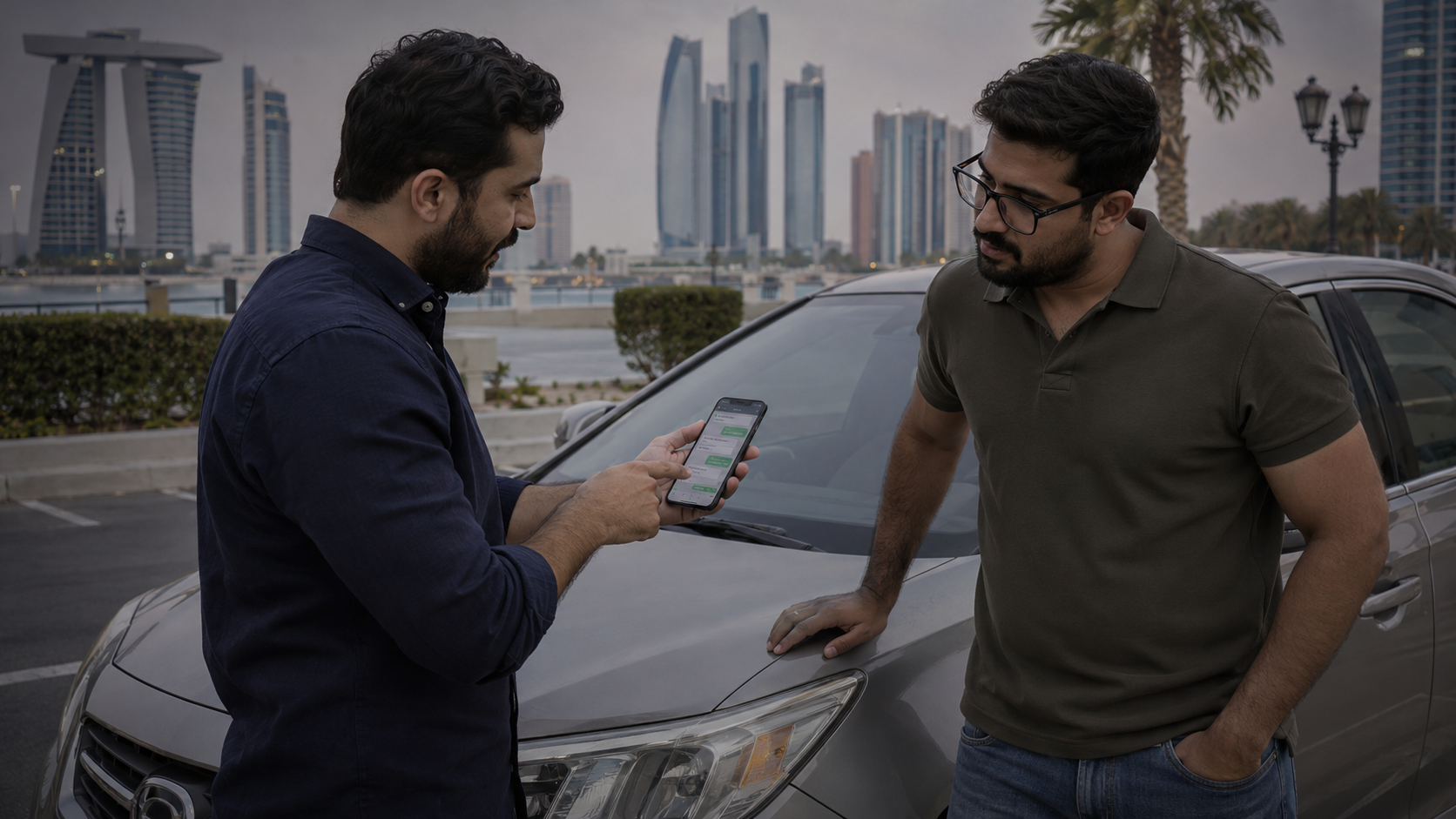
Selling an SUV QUICKLY in Abu Dhabi: Confirm What MUST Be Removed Before Assessment
Selling an SUV Quickly in Abu Dhabi: Confirm What Must Be Removed Before Assessment
Selling an SUV quickly in Abu Dhabi becomes easier when you prepare the vehicle before the buyer arrives. However, many SUV owners forget to remove personal cargo, loose accessories, and stored equipment before an assessment. These items can slow the inspection and create confusion about what the sale includes. Therefore, confirm what you must remove, what you should keep, and what the buyer needs to inspect. With proper preparation, you can sell SUV fast in Abu Dhabi while keeping the assessment clear and organised.
SUVs offer more storage space than many other vehicles. Consequently, owners often leave sports equipment, family items, work tools, and personal belongings inside them. Some SUVs also carry roof boxes, bike racks, and additional storage accessories.
However, a buyer needs to assess the SUV itself. Personal belongings can hide interior damage, block access, and make the inspection harder.
At iCarsU.com, SUV sellers in Abu Dhabi can start by sharing their vehicle details and requesting an assessment. Before the appointment, owners should confirm the vehicle’s condition and identify any items they intend to keep.
This simple approach can reduce delays, avoid misunderstandings, and support a smoother SUV selling experience.
Why SUV Sale Preparation in Abu Dhabi Matters
SUV owners often use their vehicles for several purposes. Some drive to work every day. Others carry children, shopping, luggage, or business equipment.
Additionally, many drivers use their SUVs for weekend trips and outdoor activities.
As a result, an SUV can collect more personal cargo than a small sedan.
Before you sell your SUV in Abu Dhabi, review everything inside the vehicle. Remove unnecessary items and identify any accessories that belong to the sale.
Good preparation offers several benefits.
First, the buyer can inspect the vehicle without unnecessary obstacles.
Second, you can protect your personal belongings.
Third, you can reduce disagreements about additional accessories.
Furthermore, a clean and organised cabin helps the buyer assess the SUV’s actual condition.
For example, a large storage box may cover scratches in the cargo area. Similarly, heavy tools may prevent the buyer from checking the spare wheel compartment.
Therefore, remove these items before the appointment.
However, do not remove original vehicle equipment without confirming its role in the sale.
The goal involves presenting your SUV accurately, not hiding its condition.
Sell SUV Fast in Abu Dhabi by Planning Ahead
A quick SUV sale starts before the buyer examines the vehicle.
Many sellers focus only on the asking price. However, the preparation process also affects how smoothly the assessment proceeds.
For instance, a buyer may need to inspect the boot floor, rear seats, and storage compartments.
If you leave personal belongings everywhere, the buyer may need additional time.
Therefore, start preparing your SUV before you arrange the appointment.
You should identify personal cargo, check removable accessories, and gather vehicle documents.
Additionally, review any equipment that you installed after purchasing the SUV.
Some accessories may affect the vehicle’s appearance or resale value.
For example, roof racks, running boards, towing equipment, and aftermarket storage systems may form part of your selling agreement.
However, personal luggage and loose household items usually do not belong to the vehicle sale.
Make this distinction clear before the assessment.
Moreover, tell the buyer about any important accessory you intend to remove.
This information helps both parties discuss the same vehicle and equipment.
When you sell SUV fast in Abu Dhabi, clear communication can save more time than last-minute preparation.
Remove Personal Cargo Before Car Assessment
Personal cargo includes belongings that you use or store inside your SUV.
These items may have no connection to the vehicle’s condition or value.
Therefore, remove personal cargo before car assessment whenever you can do so safely.
Start with the main cargo compartment.
SUV owners often leave shopping bags, storage boxes, travel suitcases, and sports equipment inside the boot.
Additionally, inspect the space behind the third-row seats.
Some seven-seat SUVs offer narrow storage areas that owners rarely empty.
Check these spaces carefully.
Next, examine the front and rear seating areas.
Remove personal bags, clothing, loose toys, and unnecessary electronic devices.
Furthermore, inspect the door pockets and centre console.
Small belongings can remain unnoticed for months.
For example, you may find old parking tickets, access cards, sunglasses, charging cables, or spare keys.
Although these items seem unimportant, they may contain personal information or have financial value.
Consequently, take your time and check every storage area.
Also, inspect any hidden compartments that your SUV manufacturer provides.
Some models include underfloor storage trays or removable cargo organisers.
Empty these areas before the buyer arrives.
However, keep original vehicle tools and equipment available for inspection.
These items may help the buyer understand the SUV’s completeness and condition.
SUV Sale Preparation Abu Dhabi: Separate Personal Items From Vehicle Equipment
Not every removable item counts as personal cargo.
Some equipment belongs to the vehicle’s original specification.
Other accessories may come from the manufacturer or previous owner.
Therefore, separate your belongings from the SUV’s equipment before arranging the assessment.
For example, an original cargo cover may belong to the vehicle.
Likewise, a manufacturer’s spare wheel, jack, and tool kit may form part of the SUV’s standard equipment.
However, a personal cooler box or camping chair does not normally form part of the sale.
The difference becomes more complicated with aftermarket accessories.
For instance, you may have installed a roof rack, custom floor mats, or upgraded storage system.
You may want to keep these accessories for your next vehicle.
Alternatively, you may prefer to include them in the sale.
Either option requires clear communication.
Tell the buyer exactly what you intend to keep.
Additionally, explain whether you will remove any accessory before the final handover.
Do not assume the buyer understands your intentions.
For example, the buyer may assess an SUV with a roof box attached.
If you later remove the box without prior agreement, the buyer may question the original assessment.
Therefore, confirm accessory arrangements before discussing the final offer.
Check the SUV Boot Before the Buyer Arrives
The boot plays an important role during an SUV assessment.
Buyers may inspect the cargo floor, side panels, rear trim, and storage compartments.
Additionally, they may check the condition of the tailgate.
However, personal cargo can block these areas.
For example, heavy boxes may hide worn carpet or damaged plastic panels.
Similarly, a large dog crate may prevent the buyer from checking the full cargo space.
Therefore, empty the boot as much as possible.
Next, lift the cargo floor when your SUV design allows it.
Check the spare wheel area and any additional storage compartments.
Furthermore, remove loose dirt and ordinary debris.
You do not need to make an older SUV look new.
Instead, present the vehicle in a way that allows an honest assessment.
If the boot has scratches, stains, or broken trim, leave these issues visible.
Do not cover them with mats or storage boxes.
The buyer needs accurate information about the SUV’s condition.
Moreover, explain any damage that may affect the assessment.
This approach can reduce unexpected discussions after the buyer examines the vehicle.
Prepare Seven-Seater SUVs for a Clear Inspection
Seven-seater SUVs require additional attention.
Many families use the third row for passengers, luggage, or both.
Consequently, personal belongings may remain beneath seats and inside storage pockets.
Before the assessment, check every seating row.
First, remove unnecessary items from the front seats.
Next, inspect the second-row seating area.
Then, examine the third row carefully.
If your SUV has folding seats, confirm that you can operate them normally.
Additionally, remove items that prevent the seats from moving.
Some buyers may want to check the folding mechanism.
Others may inspect the seat upholstery and surrounding trim.
Therefore, provide clear access whenever possible.
However, never force a seat mechanism that does not operate correctly.
Tell the buyer about the issue instead.
Also, inspect the seat belts.
Make sure personal belongings do not obstruct their buckles or anchor points.
If you use child seats, decide whether you can remove them safely before the appointment.
Personal child seats usually do not form part of a used SUV sale.
However, fixed child-seat anchors form part of the vehicle.
Leave those anchors in place.
Finally, check the rear air-conditioning controls, cup holders, and passenger storage areas.
These details can help the buyer assess the SUV more efficiently.
Remove Personal Cargo Without Removing Original Accessories
Owners sometimes remove too much equipment while preparing their SUVs.
For example, they may take out original floor mats, cargo covers, or factory storage trays.
However, the buyer may expect these items to remain with the vehicle.
Therefore, identify original accessories before removing anything.
Consult your vehicle manual or purchase records when necessary.
Additionally, check whether the previous owner supplied any accessories with the SUV.
Some used vehicles include equipment that does not appear in the standard specification.
For example, a particular SUV may have an optional cargo organiser or additional floor protection.
These accessories could influence the buyer’s assessment.
Consequently, clarify their inclusion.
If you want to retain an item, tell the buyer before the appointment.
If you plan to include it, keep it available for inspection.
Moreover, avoid removing permanently mounted components without professional advice.
Removing certain accessories may leave holes, marks, exposed wiring, or damaged trim.
This damage could affect the SUV’s value.
Therefore, discuss the removal plan before making changes.
The objective is to remove personal cargo before car assessment without changing the vehicle unexpectedly.
Check Roof Racks, Roof Boxes, and External Cargo Equipment
Many SUV owners install external accessories.
These may include roof racks, roof boxes, bicycle carriers, and luggage systems.
Such equipment can make travel easier. However, it can also create uncertainty during a sale.
Before the assessment, identify every external accessory.
Then, decide whether you want to sell it with the SUV.
For example, you may want to keep a removable bicycle carrier for your next vehicle.
Alternatively, you may include the carrier to make the offer more attractive.
Either choice can work.
However, the buyer needs to know what the sale includes.
Additionally, consider whether the equipment blocks access to vehicle components.
A roof box may prevent the buyer from checking part of the roof.
Similarly, a rear-mounted bicycle carrier may limit access to the tailgate.
Therefore, ask the buyer whether you should remove these items before the appointment.
If removal requires special tools, arrange suitable help.
Do not damage the paintwork or mounting points.
Furthermore, keep the mounting covers and original fittings when applicable.
If you remove an accessory, inspect the exposed area.
Look for scratches, marks, or other changes.
Tell the buyer about any visible damage.
Clear information supports a fair assessment and avoids unnecessary surprises.
Sell SUV Fast in Abu Dhabi With a Clear Accessory List
An accessory list can make your SUV sale easier.
It helps you separate personal belongings from equipment that belongs to the vehicle.
Additionally, it gives the buyer a clear understanding of the sale.
Start by recording the original equipment that remains with your SUV.
For example, you may have factory floor mats, a cargo cover, or an original tool kit.
Next, record any additional accessories you want to include.
These may include upgraded floor mats, roof rails, or removable storage organisers.
Then, identify accessories you intend to keep.
For example, you may want to retain your personal roof box.
Make this decision before the buyer arrives.
Moreover, note any missing original equipment.
If you lost a cargo cover or spare key, explain the situation.
Do not promise to provide an accessory unless you can deliver it.
Likewise, avoid describing an aftermarket item as original equipment.
Accuracy matters when you want to sell your SUV quickly.
At iCarsU.com, you can start a vehicle-selling enquiry and provide the details that matter.
However, confirm the assessment arrangements and accessory inclusion before accepting an offer.
This approach can help you avoid misunderstandings during the final handover.
Remove Work Tools and Business Equipment Before Assessment
Some Abu Dhabi residents use their SUVs for work.
For example, a contractor may carry tools between different locations.
Similarly, a business owner may transport samples, documents, or electronic equipment.
However, these belongings do not normally form part of a personal SUV sale.
Therefore, remove your work equipment before the assessment.
Start with expensive tools and electronic devices.
Next, remove confidential documents and business records.
Additionally, check any storage boxes inside the boot.
Some work equipment may contain sharp edges or heavy components.
Consequently, handle these items carefully.
If you cannot lift something safely, arrange assistance.
Furthermore, inspect the cargo area after removing the equipment.
Heavy tools can leave scratches, stains, or damaged trim.
Do not hide these marks.
Instead, allow the buyer to inspect the actual condition.
If your business installed permanent storage units, discuss their removal separately.
For example, an SUV may have a custom drawer system inside the boot.
Removing it could require specialist tools.
Additionally, the system may connect to the vehicle’s electrical supply.
Therefore, avoid making unplanned modifications.
Confirm whether the buyer wants to assess the SUV with the equipment or without it.
SUV Sale Preparation in Abu Dhabi for Family Vehicles
Family SUVs often carry many personal items.
These may include child seats, pushchairs, toys, travel bags, and school supplies.
Consequently, family SUV owners should plan extra preparation time.
Start with the seats and floor areas.
Remove loose toys, food containers, and personal bags.
Next, check the seat pockets and door compartments.
Children sometimes leave small belongings in these areas.
Additionally, inspect the third-row seats and boot storage.
If you use a child seat, remove it according to the manufacturer’s instructions when appropriate.
However, do not interfere with the SUV’s original child-seat anchor points.
Keep all factory-installed safety equipment intact.
Furthermore, check the interior upholstery after removing personal accessories.
Seat protectors may cover stains or ordinary wear.
The buyer should see the vehicle’s actual condition.
Therefore, remove personal seat protectors when practical.
If you intend to include aftermarket seat covers, explain that decision.
Likewise, clarify whether you will include any removable sunshades or cargo organisers.
A clear interior allows a more accurate vehicle assessment.
Prepare SUVs With Camping and Desert Equipment
Many Abu Dhabi SUV owners enjoy outdoor activities.
Some use their vehicles for camping trips, desert drives, or weekend travel.
As a result, their SUVs may contain additional equipment.
Examples include camping boxes, portable refrigerators, recovery boards, and storage systems.
Before selling your SUV, identify each item.
Then, separate personal outdoor equipment from permanently installed vehicle accessories.
For example, you may want to keep your camping chairs and portable cooler.
However, a fitted electrical system may require additional consideration.
Similarly, some SUVs have aftermarket recovery points, protective plates, or suspension upgrades.
These modifications may influence the buyer’s assessment.
Therefore, disclose them clearly.
Do not remove important equipment without understanding how it connects to the vehicle.
Additionally, tell the buyer about any modifications that affect the SUV’s original specification.
If your vehicle has aftermarket off-road tyres, explain their condition.
Likewise, mention any changes to the suspension or exterior protection.
However, do not assume every modification increases resale value.
Different buyers may assess additional equipment differently.
Therefore, confirm what remains with the SUV before the inspection.
If you want to sell SUV fast in Abu Dhabi, accurate modification details can prevent unnecessary delays.
Clean the SUV Without Hiding Its Condition
Cleaning helps buyers inspect a vehicle.
However, cleaning should not hide existing damage.
Before the appointment, remove ordinary rubbish and loose personal belongings.
Next, vacuum the floor and seating areas if necessary.
Additionally, clean the cargo compartment.
You can also wipe ordinary dust from the dashboard and interior surfaces.
However, avoid aggressive cleaning products that may damage the trim.
Similarly, do not attempt risky repairs immediately before the inspection.
For example, strong chemicals may damage leather seats or plastic panels.
Instead, use suitable products and follow the manufacturer’s guidance.
Furthermore, leave existing wear visible.
If the SUV has scratches around the boot opening, do not cover them with accessories.
If a seat has a tear, explain the issue.
Likewise, mention any broken interior storage covers.
A buyer needs accurate information to assess the SUV.
Therefore, focus on cleanliness and honesty rather than cosmetic tricks.
A tidy vehicle can also make the appointment more comfortable.
However, cleanliness alone does not determine the final offer.
The buyer may also consider mechanical condition, mileage, model year, and market demand.
Check Personal Data Before Selling Your SUV
Modern SUVs often store personal information.
For example, the infotainment system may contain saved addresses, phone contacts, and connected devices.
Additionally, some vehicles store navigation history and user profiles.
Therefore, review your digital information before the final handover.
Start with connected mobile phones.
Check whether the SUV stores your contacts or call history.
Next, review navigation destinations.
Remove personal addresses when appropriate.
Furthermore, inspect any stored garage door settings or connected service accounts.
If your SUV supports a companion mobile application, review the vehicle connection.
You may need to disconnect your account during the ownership transfer process.
However, do not erase important vehicle settings before the buyer completes the assessment.
Some systems may contain information that helps demonstrate the vehicle’s condition.
Therefore, ask which information the buyer needs to inspect.
Also, follow the manufacturer’s instructions for account removal and system resets.
Avoid deleting service records or vehicle information unnecessarily.
The goal involves protecting your privacy while preserving useful vehicle details.
Additionally, remove personal USB drives, memory cards, and other storage devices.
Some SUVs also contain dash cameras with recorded footage.
If you installed a dash camera, confirm whether you intend to include it.
Then, remove your personal recordings before handing over the device.
SUV Sale Preparation Abu Dhabi: Organise Vehicle Documents
Preparing the interior is only one part of the process.
You should also organise your vehicle documents before the assessment.
Start with your vehicle registration details.
Next, gather available maintenance records and service invoices.
Additionally, prepare information about repairs and modifications.
These records can help the buyer understand your SUV’s history.
For example, you may have invoices for tyre replacement or scheduled maintenance.
Likewise, you may have records showing recent mechanical repairs.
Keep these documents accurate and easy to review.
However, do not claim that an invoice proves work beyond what it actually records.
If your service history contains gaps, explain them.
Moreover, check that every document relates to the correct vehicle.
Some households own multiple cars and keep their records together.
Consequently, documents can become mixed.
Separate the SUV’s records before the appointment.
If the buyer needs copies, consider protecting unrelated personal information.
However, retain original records when you need them for verification or handover.
Also, check whether your SUV has outstanding finance or another ownership restriction.
Contact the relevant bank or authority when necessary.
These matters may affect the transfer process.
Therefore, identify them early rather than waiting until the final sale.
Remove Personal Cargo Before Car Assessment in Apartment Parking Areas
Many Abu Dhabi residents park their SUVs in residential buildings.
These include apartment complexes in Al Reem Island, Al Khalidiyah, and Al Maryah Island.
However, underground parking areas may offer limited space for preparation.
Therefore, plan how to remove personal belongings before the buyer arrives.
For example, you may need several trips between your apartment and parking space.
If your SUV contains heavy luggage or work equipment, arrange help.
Additionally, check whether the parking location allows convenient vehicle access.
Some parking areas have low ceilings or narrow entrances.
These conditions may matter when the SUV has a roof box or other external equipment.
Consequently, inform the buyer about access restrictions.
Also, confirm whether the assessment can take place in your parking area.
If the location does not suit the appointment, discuss another suitable location.
However, do not move the vehicle without agreeing on the new meeting point.
Good planning can reduce unnecessary travel and delays.
Furthermore, avoid leaving personal belongings unattended in shared parking areas.
Take your property directly to a secure location.
This simple step protects your belongings during the selling process.
Sell SUV Fast in Abu Dhabi From Khalifa City and MBZ City
SUV owners in Khalifa City and Mohammed Bin Zayed City often have different parking arrangements.
For example, some residents have private driveways or larger parking areas.
These spaces may make cargo removal easier.
However, sellers should still prepare the vehicle before arranging an assessment.
Start by checking the boot and passenger compartments.
Next, review any roof accessories or external equipment.
Additionally, gather the available vehicle records.
If you own a large SUV, consider whether the buyer can inspect it safely at your location.
For example, the inspection may require access around the vehicle.
Therefore, avoid parking too close to walls or other cars when possible.
Furthermore, ensure that personal equipment does not block the doors or tailgate.
Some large SUVs have wide-opening rear doors or powered tailgates.
These features need suitable clearance.
Also, tell the buyer if the vehicle has any access limitations.
For instance, a narrow entrance may make moving a large SUV difficult.
With proper preparation, you can make the appointment easier for everyone.
Selling an SUV From Yas Island, Saadiyat Island, and Al Raha Beach
SUV owners across Yas Island, Saadiyat Island, and Al Raha Beach may use their vehicles for commuting and family travel.
Additionally, some residents carry beach equipment, luggage, or outdoor accessories.
Therefore, inspect the cargo area before arranging a sale.
Remove personal beach bags, sports equipment, and loose storage containers.
Next, check the rear passenger areas.
Furthermore, remove unnecessary items from the centre console and door compartments.
If your SUV carries a removable bicycle rack or roof equipment, clarify whether you intend to include it.
Also, inspect the cargo flooring after removing your belongings.
Sand, moisture, and ordinary dirt can collect beneath storage mats.
Consequently, clean these areas appropriately.
However, do not hide corrosion, water marks, or damaged trim.
Tell the buyer about any condition concerns you already know.
Additionally, confirm the appointment location.
Some residential communities control visitor access.
Therefore, explain any necessary entry arrangements in advance.
A prepared SUV and a clear meeting location can make the assessment more efficient.
Understand How Accessories May Affect an SUV Offer
A buyer may consider several factors when assessing your SUV.
These include its age, mileage, condition, specifications, and current market demand.
Additionally, some accessories may influence the offer.
However, not every aftermarket item adds value.
For example, expensive roof equipment may have little value to a buyer who does not need it.
Similarly, custom interior storage may limit the SUV’s appeal to some buyers.
On the other hand, certain original accessories can support the vehicle’s completeness.
Therefore, explain what your SUV includes.
If you remove an accessory before the assessment, show the buyer the vehicle’s current condition.
If you plan to remove it later, disclose the plan clearly.
Furthermore, do not calculate the expected offer by simply adding every accessory’s original purchase price.
Used accessories may have different market values.
The buyer may also consider installation quality and condition.
Consequently, assess the overall vehicle rather than focusing on individual accessories.
At iCarsU.com, sellers can provide their vehicle details and discuss an assessment.
However, the final offer depends on the buyer’s evaluation and agreed sale terms.
Clear accessory information can support a more accurate discussion.
Avoid Last-Minute Changes After the SUV Assessment
One common mistake involves removing equipment after the buyer has already inspected the vehicle.
For example, a seller may remove expensive floor mats or a cargo cover.
However, the buyer may have considered these items during the assessment.
Consequently, the change can create disagreement.
Therefore, decide what you intend to include before the appointment.
If you change your mind, tell the buyer immediately.
Additionally, request confirmation before changing the vehicle’s equipment.
The buyer may need to reconsider the offer.
Likewise, avoid making unnecessary modifications after the assessment.
For example, removing a fitted storage system could leave marks or exposed mounting points.
These changes may alter the vehicle’s condition.
Furthermore, do not replace original accessories with damaged alternatives without agreement.
The final handover should match the confirmed sale terms.
If an accessory becomes unavailable, explain the situation.
Clear communication can prevent confusion and support a smoother transaction.
Prepare Your SUV for Inspection Without Delaying the Sale
Some sellers postpone an assessment because their SUVs are not perfectly clean.
However, you do not need to complete every cosmetic improvement before contacting a buyer.
Instead, prioritise essential preparation.
Remove your personal belongings.
Make the main inspection areas accessible.
Identify accessories that you intend to keep.
Additionally, gather the available documents.
Then, describe the SUV’s condition accurately.
For example, mention warning lights, damaged trim, or mechanical concerns that you already know about.
Do not wait until the buyer discovers these issues.
Furthermore, avoid expensive repairs without first considering whether they make financial sense.
A repair may cost more than the increase it brings to the offer.
Therefore, discuss the vehicle’s current condition before making major spending decisions.
If you want to sell SUV fast in Abu Dhabi, an organised assessment can be more useful than unnecessary last-minute improvements.
The buyer can inspect the vehicle and discuss its value based on its actual condition.
Use a Simple Preparation Schedule Before the Appointment
A short preparation schedule can help busy SUV owners.
For example, you may use your vehicle daily for work, school runs, and family activities.
Consequently, removing every personal item too early may create inconvenience.
Instead, divide the preparation into manageable stages.
Several days before the appointment, identify accessories you intend to remove.
Additionally, collect the available vehicle records.
Then, decide whether you need help removing bulky equipment.
The day before the assessment, clear the boot and unnecessary interior belongings.
Next, check the seating areas and storage compartments.
Furthermore, confirm the meeting location and time.
On the appointment day, inspect the SUV one final time.
Remove any remaining personal bags, loose electronics, and confidential documents.
Also, check that the buyer can access the vehicle’s main inspection areas.
If you need to keep an item inside the SUV temporarily, explain the reason.
However, avoid letting it obstruct the inspection.
This simple schedule can make SUV sale preparation in Abu Dhabi easier without disrupting your daily routine.
Confirm the Assessment Scope Before Removing Fitted Equipment
Not every SUV accessory requires removal before an assessment.
Some buyers may prefer to inspect fitted equipment in place.
For example, a buyer may want to review the condition of a roof rack and its mounting points.
Similarly, a fitted cargo system may form part of the vehicle’s agreed specification.
Therefore, confirm the assessment scope before removing these items.
Explain which accessories you installed.
Then, clarify which ones you intend to keep.
Additionally, tell the buyer about any equipment that requires professional removal.
Do not disconnect electrical accessories without suitable knowledge.
Likewise, avoid dismantling equipment that affects vehicle safety or functionality.
For example, some aftermarket lighting systems connect to the SUV’s wiring.
Removing them incorrectly could create electrical problems.
Consequently, arrange professional assistance when necessary.
Furthermore, keep records of any completed accessory removal.
If a workshop removes equipment, retain the invoice.
This can help explain changes to the vehicle.
However, a removal invoice does not automatically prove that every related system works correctly.
The buyer may still need to inspect the vehicle.
Clear preparation helps everyone understand the SUV’s actual condition.
SUV Sale Preparation Abu Dhabi: Keep the Vehicle Safe to Inspect
Safety should remain a priority during SUV preparation.
Heavy cargo can shift when you open the boot.
Additionally, loose tools may have sharp edges.
Therefore, remove these items carefully.
Use suitable lifting methods when handling heavy equipment.
If an item exceeds your ability, ask another person for assistance.
Furthermore, avoid leaving loose objects around the vehicle during the appointment.
The buyer may need to walk around the SUV.
Keep the surrounding area clear whenever possible.
Also, confirm that the tailgate opens safely.
If the tailgate has a mechanical problem, explain it before the inspection.
Likewise, warn the buyer about broken seat mechanisms or damaged storage compartments.
Do not force damaged parts to operate.
If you notice a fluid leak or another safety concern, disclose it.
The buyer may need to adjust the assessment process.
Moreover, do not remove equipment that the SUV requires for safe operation.
Your preparation should improve access without creating new problems.
A safe and accessible vehicle supports a more professional selling experience.
Keep Inspection Preparation Separate From Final Handover
An assessment and a final vehicle handover serve different purposes.
During the assessment, the buyer examines the SUV and considers its condition.
However, the final handover takes place after both parties agree on the sale arrangements.
Therefore, you may not need to remove every personal item at the initial enquiry stage.
Nevertheless, you should make the vehicle accessible for inspection.
Discuss any remaining belongings before the appointment.
For example, you may need a removable child seat for your journey home.
If the buyer agrees, you may keep it during the assessment and remove it before handover.
However, confirm this arrangement.
Similarly, you may need time to remove a personal roof box.
Explain the schedule before finalising the offer.
Additionally, clarify whether the buyer needs another inspection after removal.
This depends on the equipment and the agreed terms.
Furthermore, review the final accessory list before handing over the SUV.
Make sure the vehicle includes everything you agreed to provide.
Also, remove any remaining personal property.
The final handover should match the confirmed agreement.
Sell SUV Fast in Abu Dhabi Without Rushing Important Details
Selling quickly does not mean ignoring important details.
In fact, rushing preparation can create avoidable mistakes.
For example, you may accidentally leave a personal document inside the glove compartment.
Alternatively, you may remove an accessory that the buyer expected to receive.
Therefore, allow enough time for a final review.
Start with the vehicle’s storage compartments.
Next, inspect the seats, boot, and dashboard areas.
Additionally, check for personal devices and account connections.
Then, confirm the included accessories.
Furthermore, review the payment and ownership transfer arrangements before releasing the vehicle.
Do not rely only on verbal assumptions.
Agree on the final price, payment method, and handover conditions.
Also, follow the applicable Abu Dhabi vehicle ownership transfer requirements.
If finance or another restriction affects the SUV, resolve it through the appropriate process.
Moreover, verify payment through a reliable method before completing the handover.
A quick sale should still protect both parties.
With clear preparation, you can reduce delays without overlooking essential responsibilities.
Why Accurate SUV Details Help Buyers Make Decisions
Buyers need accurate information to assess a used SUV.
However, personal belongings and unclear accessory arrangements can create unnecessary uncertainty.
For example, a buyer may see custom floor protection but cannot inspect the carpet underneath.
Similarly, a cargo organiser may cover the boot’s original flooring.
Therefore, make important areas accessible whenever practical.
Additionally, describe your SUV’s specifications accurately.
Mention the correct model, year, mileage, and regional specification.
If your SUV has GCC specifications, confirm that information through reliable vehicle records.
Do not assume that every SUV registered in Abu Dhabi has GCC specifications.
Furthermore, explain any important modifications.
A buyer may consider these changes when evaluating the vehicle.
Also, disclose known mechanical or cosmetic problems.
For example, mention an air-conditioning fault or damaged parking sensor.
Accurate details can help the buyer prepare for the assessment.
Consequently, the appointment may involve fewer unexpected discussions.
This can support a smoother selling process.
Start Your SUV Selling Enquiry With iCarsU.com
If you want to sell your SUV in Abu Dhabi, iCarsU.com offers a starting point for your selling enquiry.
You can share basic vehicle details and discuss the next assessment steps.
Start by identifying your SUV’s make and model.
Next, provide the model year, mileage, and known condition.
Additionally, mention any significant modifications or accessories.
If you plan to remove equipment, explain that before the assessment.
For example, tell the buyer if you intend to keep a roof box or aftermarket storage system.
Furthermore, mention any known damage that the accessory currently covers.
This information can help clarify the assessment arrangements.
You can also provide available service history and relevant ownership details.
However, avoid assuming that an initial enquiry guarantees a particular final price.
The buyer needs to consider the SUV’s condition and the agreed sale terms.
Therefore, confirm the assessment process, any applicable charges, and the handover arrangements.
For Abu Dhabi sellers, clear communication can make the entire experience easier.
Whether you live in Mussafah, Baniyas, Khalifa City, or Yas Island, the same preparation principles apply.
Remove personal belongings, preserve essential equipment, and confirm what the sale includes.
Make the Final SUV Check Before the Buyer Arrives
The final check should focus on accuracy, accessibility, and personal property.
Begin with the boot.
Make sure personal cargo no longer blocks the inspection areas.
Then, inspect the seating rows.
Remove unnecessary items and check hidden storage spaces.
Next, examine the glove compartment and centre console.
Look for documents, access cards, and electronic devices.
Additionally, review the roof and exterior accessories.
Confirm that the equipment matches your earlier description.
If you removed an accessory, check the surrounding area for damage.
Furthermore, gather the available keys and vehicle records.
Keep the original equipment that belongs to the sale accessible.
Also, check that your SUV sits in a suitable inspection location.
If you discover a new issue, tell the buyer before the assessment.
For example, you may notice a damaged cargo panel after removing a storage box.
Do not ignore the damage.
Instead, explain what you found.
Finally, confirm the appointment details and your preferred communication method.
This simple process can reduce unnecessary delays.
A Clear SUV Assessment Starts With Proper Preparation
When you want to sell SUV fast in Abu Dhabi, preparation can make a meaningful difference.
SUVs often carry more personal belongings and additional equipment than smaller vehicles.
Therefore, check every storage area before the buyer arrives.
Remove personal cargo, organise vehicle records, and clarify which accessories belong to the sale.
Additionally, make the boot, seats, and main inspection areas accessible.
However, avoid removing original or permanently fitted equipment without understanding its purpose.
If you intend to keep an accessory, discuss that decision before the assessment.
Furthermore, present the SUV’s actual condition without hiding damage.
Clear information helps the buyer evaluate the vehicle and discuss an offer.
At iCarsU.com, you can begin your SUV selling enquiry and confirm the next steps for an assessment in Abu Dhabi.
With careful preparation and clear agreements, you can work towards a quicker SUV sale while protecting your belongings and avoiding unnecessary confusion.
Can I sell SUV fast in Abu Dhabi if I still have personal belongings inside the vehicle?
Yes, you can start the selling process while your SUV still contains personal belongings. However, remove unnecessary items before the buyer’s assessment. Additionally, clear the boot, passenger seats, and storage compartments. This helps the buyer inspect the vehicle properly. You can contact iCarsU.com to discuss your SUV assessment and confirm any preparation requirements.
Does SUV sale preparation in Abu Dhabi require removing aftermarket window shades and seat organisers?
You should confirm whether the buyer expects these accessories to remain with the SUV. Removable window shades and seat organisers usually count as personal accessories. Therefore, you can remove them before the assessment if you intend to keep them. However, inform the buyer about any accessories you plan to include in the sale. Clear communication helps prevent disagreements about the final offer.
Can I sell my SUV quickly in Abu Dhabi if I cannot remove a large cargo storage system myself?
Yes, you can still request an SUV assessment. However, explain the storage system’s size, installation method, and condition before booking. Additionally, tell the buyer whether you intend to remove it or include it in the sale. If removal requires special tools, consider professional assistance. Avoid damaging the vehicle during removal. Proper planning can help you sell your SUV without unnecessary delays.
Should I remove custom number plate frames before an SUV assessment in Abu Dhabi?
You can usually leave ordinary number plate frames attached during the initial assessment. However, tell the buyer if you intend to keep any personalised accessories. If you own a distinctive registration number, clarify its transfer arrangements separately. Additionally, avoid removing plates or altering registration details without following the applicable Abu Dhabi procedures. This helps keep the ownership transfer process clear.
How can I prepare my SUV for a fast sale in Abu Dhabi if I need to use it until the handover date?
You can continue using your SUV while preparing for the sale. First, remove items that you do not need daily. Then, organise your vehicle documents and identify the accessories you intend to keep. Additionally, keep the interior accessible for the buyer’s assessment. If you continue driving after the inspection, update the buyer about significant mileage or condition changes. Finally, agree on the handover date and remove your remaining personal belongings before completing the sale.
Add a comment Cancel reply
Categories
- Abu Dhabi (2)
- Accident History (2)
- Accidents (4)
- Car News (1)
- Car Registration (1)
- GCC Specs (4)
- Imported (4)
- Sell a car (1)
- Specs (2)
- Uncategorized (20,860)
- Used Car Buyer (105)
Recent Posts
Related posts
Luxury-Car Sale in Abu Dhabi: Separate Original Options from Later Additions
iCarsU.com
November 2, 2026
Service Records in Two Languages: Give an Abu Dhabi Buyer a CLEAR Summary Without Altering the Originals
iCarsU.com
November 2, 2026
We work by appointments only. Please call or text to arrange an appointment first
Service Areas: Abu Dhabi (Head Office), Dubai, Sharjah, Ajman, Ras Al Khaimah, Fujairah, Umm Al Quwain.

 English
 Arabic