


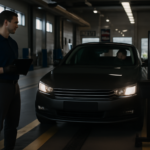









Sell My Car to a Dealer in Abu Dhabi: The Smart Way to Get Fair VALUE
# Sell My Car to a Dealer in Abu Dhabi: The Smart Way to Get Fair Value
When you decide to sell your car, choosing a dealer over private buyers offers real advantages. Dealers handle all paperwork, complete inspections quickly, and pay you immediately. You skip the hassle of showing your vehicle to multiple strangers and manage negotiations on your own. This guide shows you exactly how to sell your car to a dealer in Abu Dhabi and maximize what you get paid.
## Why Selling to a Dealer Makes Sense
Selling your car to a dealer differs fundamentally from private sales. Dealers like iCarsU.com have established processes, fair pricing systems, and instant payment capabilities. Most importantly, they handle the entire transaction legally and professionally.
When you sell to a private buyer, you manage viewings, answer endless questions, and handle paperwork yourself. Dealers eliminate this stress entirely. They verify ownership, handle transfer documents, and complete the registration process at the Roads and Transport Authority (RTA). Additionally, dealers purchase cars in any condition—running or not running.
Furthermore, dealers compete with each other on fairness and transparency. They know their reputation depends on honest valuations. A reputable dealer never tricks you about your vehicle’s condition or worth. Instead, they follow standardized evaluation methods and explain every deduction clearly.
## Understanding Car Valuation Before You Sell
Before you contact a dealer to sell your car, understand how valuation works. Dealers assess your vehicle using specific criteria. They don’t randomly guess prices—they follow market research and inspection results.
Your car’s age matters significantly. Newer vehicles command higher prices than older models. However, condition trumps everything else. A well-maintained ten-year-old car sometimes sells for more than a neglected five-year-old one.
Mileage directly impacts value. Each kilometer your car travels reduces its worth slightly. A car with 80,000 kilometers typically costs less than an identical vehicle with 50,000 kilometers. Service history proves maintenance, so keep all service records available.
The brand and model you drive affect the final price. Popular brands like Toyota, Nissan, and Hyundai retain value better than less common makes. Buyers in Abu Dhabi prefer reliable models with readily available spare parts.
Accident history significantly reduces value. Cars previously damaged in collisions are worth considerably less, even after repair. Always disclose previous accidents to dealers—they discover them anyway through vehicle history checks. Transparency here actually helps you because dealers trust honest sellers more.
Current market demand influences pricing too. Certain vehicle types become more valuable based on market needs. For instance, when fuel prices rise, smaller cars gain demand. During winter, SUVs sometimes sell for more because buyers want vehicles for desert driving.
## How Dealers Inspect Cars Before Making Offers
Dealers conduct comprehensive inspections before offering a price. Understanding this process helps you prepare and know what they evaluate. The inspection process at reputable dealers takes 30 to 60 minutes typically.
Inspectors first check exterior condition. They look for dents, scratches, rust, and paint mismatches. Minor cosmetic issues reduce value modestly. Significant damage or rust substantially lowers the final offer. They examine all windows, mirrors, and lights carefully.
Next, they assess interior condition thoroughly. Inspectors check seats for tears, stains, and wear. They test all electrical features—windows, locks, air conditioning, and entertainment systems. A clean, well-maintained interior preserves value remarkably well.
Engine and mechanical components receive careful attention. Inspectors start the engine and listen for unusual sounds. They test acceleration, braking, steering, and suspension. They check fluid levels and look for leaks underneath the vehicle. A comprehensive diagnostic scan reveals hidden mechanical issues that affect safety and reliability.
Importantly, they verify that you actually own the vehicle. They request your registration certificate (mulkiya) and check that your name matches. They verify the vehicle hasn’t been reported stolen or involved in serious accidents. In Abu Dhabi, they confirm that the vehicle passed its most recent RTA inspection or doesn’t need one yet.
The inspection is non-invasive and completely standard. Reputable dealers never damage vehicles during inspection. They treat your car respectfully throughout the process.
## Getting Multiple Quotes and Comparing Offers
Never accept the first offer you receive when you sell your car to a dealer. Instead, contact multiple dealers and gather several quotes. This approach ensures you receive competitive pricing and understand your car’s true market value.
When you visit dealers, bring all relevant documentation. Your mulkiya, insurance documents, and service records strengthen your position. These papers prove you’ve maintained the vehicle properly and own it legally. Dealers respect sellers who organize their paperwork efficiently.
Also, prepare a list of your vehicle’s features and condition. Note any special additions, recent repairs, or maintenance work completed. If you recently replaced the battery, tires, or brakes, mention these investments. Dealers recognize that you’ve spent money keeping the car in good condition.
Furthermore, be honest about the vehicle’s history from the start. If the car was previously involved in an accident, disclose it immediately. If you’ve had recurring mechanical issues, mention them. Honesty prevents awkward situations later and actually builds trust with dealers.
When comparing offers, look beyond just the price number. Consider the dealer’s reputation, payment method, and timeline. Some dealers offer cashier’s checks while others provide cash. Some complete transactions same-day while others need paperwork processing time. Evaluate which offer provides the best overall experience for your situation.
## Documentation You Need to Sell Your Car
Selling your car legally in Abu Dhabi requires specific documents. Having everything prepared speeds up the entire transaction and prevents delays.
First, bring your original vehicle registration certificate (mulkiya). This document proves you own the vehicle and contains crucial information about the car. Without this, dealers cannot complete the purchase legally.
Your personal identification document matters too. Dealers verify that you are the registered owner by checking your ID against the mulkiya. Non-residents may need to provide their residence visa or passport.
Insurance documents help though they’re not strictly required for the sale. Your insurance certificate shows that you’ve maintained proper coverage, which reflects responsible ownership.
Service records and maintenance documentation strengthen your negotiating position. If you’ve kept detailed service history from authorized workshops, show these records. They prove you haven’t neglected the vehicle and justify a higher valuation.
Any warranty documents still valid should be transferred. Extended warranties sometimes transfer to new owners, which increases the vehicle’s appeal and value.
Finally, have a list of any outstanding finance. If you still owe money on the car, the dealer needs to know. They arrange to pay off the loan directly from the sale proceeds, which simplifies matters considerably.
## The Step-by-Step Process of Selling to iCarsU.com
iCarsU.com operates a straightforward process when you sell your car to a dealer. Understanding these steps removes uncertainty and helps you prepare mentally.
**Step One: Initial Contact**
You reach out via WhatsApp or the online lead form. Provide basic vehicle information—make, model, year, mileage, and general condition. Include a few photos if possible. This information helps iCarsU.com determine if they’re interested and arrange an appointment quickly.
**Step Two: Vehicle Inspection**
You drive to the iCarsU.com location or arrange a visit to your preferred location. Their inspection team evaluates your vehicle comprehensively. They check mechanical systems, exterior condition, interior cleanliness, and documentation. This process takes about 30 to 45 minutes.
**Step Three: Valuation and Offer**
After inspection, the team provides a fair market offer based on their findings. They explain the valuation clearly and answer any questions you have. The offer is honest and competitive because iCarsU.com built their reputation over 14 years on fair dealing.
**Step Four: Documentation Review**
You review all necessary paperwork together. The team explains each document and what it means for the transfer process. You can ask clarifying questions before proceeding.
**Step Five: Payment and Transfer**
Once you accept the offer, payment happens immediately. iCarsU.com handles the administrative work—they manage the RTA registration transfer, insurance updates, and all official documentation. You walk away with payment and without the vehicle.
## Payment Methods and Security
When you sell my car to a dealer in Abu Dhabi, secure payment matters enormously. iCarsU.com offers multiple payment methods to suit different preferences.
Many buyers prefer cash payment. Cash is immediate, tangible, and requires no waiting for checks to clear. However, extremely large cash transactions carry security concerns. iCarsU.com respects this and ensures payment happens safely.
Bank transfers provide another option. This method creates an official record of the transaction. You receive funds directly into your bank account and can verify the deposit immediately. Bank transfers work especially well for larger amounts and international transfers.
Cashier’s checks offer a middle ground. These checks are guaranteed by the bank and carry no risk of bouncing. You can deposit them at your leisure and rest assured the funds exist.
Additionally, iCarsU.com never requires you to pay any fees for the sale. No hidden charges appear at closing. The price quoted is the price you receive. This transparency is crucial when you sell your car near me or anywhere in Abu Dhabi.
## What Happens if Your Car Doesn’t Run?
One significant advantage of selling to a dealer appears when your vehicle doesn’t start. Many sellers assume they cannot sell a non-running car. This misconception costs them valuable options.
Dealers like iCarsU.com purchase non-running vehicles regularly. The car might have mechanical problems, electrical issues, or engine failure. Regardless of the reason it doesn’t run, dealers assess and buy it.
When your car doesn’t run, the valuation process changes slightly. Inspectors cannot start it or test drive it. Instead, they conduct a thorough mechanical inspection using diagnostic equipment. They identify the specific problems causing the car to fail and estimate repair costs.
These repair costs are deducted from what the car would be worth if running. However, you still receive fair compensation for the vehicle’s remaining value. Many parts are salvageable even if the engine is ruined.
Furthermore, transporting a non-running car becomes simple. iCarsU.com arranges towing to their facility at no cost to you. You don’t need to figure out how to move the vehicle yourself.
## Understanding Trade-In Value Versus Outright Sale
Some buyers consider trading their old vehicle against a new purchase. Understanding the difference between trade-in value and outright sale value matters significantly.
Trade-in value typically runs lower than outright sale value. When you trade in your vehicle as part of buying another car, dealers build in margin. They account for refurbishment costs, storage, and resale effort. Additionally, they apply discounts because you’re purchasing from them simultaneously.
Selling outright to a dealer like iCarsU.com produces better financial results in most situations. You sell your current vehicle at fair market value. Then you shop for a new or different vehicle independently. This approach gives you maximum flexibility and typically more money.
However, trade-ins simplify the process if you want one vehicle payment instead of two separate transactions. You walk away with a new car and the old one gone. The convenience sometimes justifies the lower valuation.
For most people in Abu Dhabi seeking fair value, selling to a specialized dealer outright beats trade-in arrangements. You control the sale completely and maximize your proceeds.
## Handling Outstanding Loans and Finance
If you still owe money on your car, you can still sell it to a dealer. The process becomes slightly more complex but remains manageable.
When finance remains on the vehicle, the lender technically owns it until you pay off the loan. The dealer cannot take ownership until the loan is settled. However, this doesn’t prevent the sale.
Here’s how it works: The dealer provides an offer on the vehicle. If the offer exceeds what you owe, the extra goes to you as profit. If the offer equals your loan balance, you break even. If the offer falls short, you pay the difference from your own funds.
iCarsU.com arranges to pay the lender directly from the sale proceeds. This process protects everyone involved. The lender gets paid, you receive your profit or minimize your loss, and the dealer takes ownership of a free-and-clear vehicle.
You need to provide lender details and the current loan balance. The dealer contacts your lender to confirm the payoff amount and arrange settlement. Most lenders cooperate fully with these arrangements because they get paid in full.
The only requirement is that you bring your original finance agreement documents. These show the lender’s contact information and account details.
## Local Considerations for Abu Dhabi Sellers
Abu Dhabi has specific regulations that affect selling your car to a dealer. Understanding these local rules ensures smooth, legal transactions.
The RTA oversees vehicle registration and transfers in Abu Dhabi. When you sell your car, the registration must transfer to the new owner through RTA systems. Reputable dealers handle this administratively, so it doesn’t burden you.
Your vehicle’s mulkiya validity matters. If your registration is expired or about to expire, disclose this to the dealer. Cars with expired registration are less valuable because buyers must renew it before driving. Dealers account for renewal costs in their offers.
Abu Dhabi requires that vehicles pass specific safety inspections periodically. The RTA vehicle inspection validates that cars meet safety standards. If your car hasn’t been inspected recently, this affects its value. Dealers sometimes demand inspection before purchase or deduct inspection costs from the offer.
Non-residents can sell vehicles in Abu Dhabi, but documentation requirements differ slightly. You need your passport, residence visa, and mulkiya. Some dealers request additional verification for non-residents, so bring extra documentation just in case.
Insurance cancellation follows the sale. You can cancel your car insurance once you sell the vehicle. Contact your insurer and provide proof of sale. You might receive a refund for unused insurance periods.
## Why Reputation Matters When Choosing a Dealer
When you sell my car near me in Abu Dhabi, choosing the right dealer affects your entire experience. Reputation separates legitimate dealers from questionable ones.
iCarsU.com has operated for 14 years in Abu Dhabi. This longevity demonstrates that customers trusted them repeatedly. Businesses with poor practices don’t survive 14 years—they collapse when unhappy customers stop returning and spread negative word-of-mouth.
Check online reviews from previous sellers. Read what actual customers experienced when they sold their vehicles. Look for patterns in reviews. If most feedback mentions fair pricing and quick transactions, that’s genuinely valuable. If reviews highlight problems, that’s a red flag.
Ask about dealer certifications and credentials. Legitimate dealers often belong to official automotive associations. They carry proper licensing and maintain required insurance. These certifications mean they follow industry standards and operate legally.
Also consider dealer location and accessibility. If a dealer operates from a proper facility in Abu Dhabi, they have a physical presence to maintain. Online-only dealers with no showroom sometimes disappear after taking your vehicle. Established dealers with real offices have everything to lose by operating dishonestly.
Word-of-mouth recommendations from friends and colleagues carry tremendous weight. If people you know sold cars to a specific dealer and felt satisfied, that’s powerful proof of reliability.
## Preparing Your Car for the Dealer Visit
Although dealers purchase vehicles in various conditions, preparing your car makes a positive impression. Minor effort can improve the offer you receive.
Start with cleanliness. Wash the exterior thoroughly and vacuum the interior. Clean cars appear more valuable to evaluators than dirty ones. You don’t need professional detailing, but basic cleanliness matters.
Remove personal items completely. Clear the trunk, glove compartment, and under seats. Dealers don’t want to deal with your belongings, and a cluttered interior makes inspection harder.
Arrange all documentation neatly. Have your mulkiya, insurance papers, and service records organized in a folder. This preparation shows professionalism and respect for the dealer’s time.
Address obvious mechanical issues before the visit if possible. A new battery, fresh oil change, or new wiper blades costs less than the value they preserve. However, don’t spend thousands on major repairs—dealers evaluate the car in current condition anyway.
Check fluid levels—oil, coolant, brake fluid. Low fluids suggest neglect, which reduces valuation. Topping them up takes minutes and costs pennies.
Finally, bring the original keys and key fob. Dealers want multiple keys if you have them. A car with only one key is less convenient for them and for future buyers.
## Common Mistakes to Avoid When Selling
Several mistakes reduce what you receive when you sell your car to a dealer. Understanding these pitfalls helps you maximize your sale price.
Never lie about the vehicle’s history. If it was in an accident, disclose it immediately. Dealers discover these facts anyway through VIN checks. Dishonesty damages negotiations and might cause the dealer to walk away entirely. Honesty builds trust even when the news is negative.
Don’t neglect maintenance records. Service history proves you cared for the vehicle properly. Missing records suggest potential hidden problems. Keep all receipts and documentation from maintenance and repairs.
Avoid making major repairs right before sale. You might spend AED 3,000 on an engine repair that only increases the car’s value by AED 1,500. Let dealers assess the vehicle in its actual condition. They often prefer to handle repairs themselves using preferred mechanics.
Don’t wait for a perfect time that never arrives. Car values depreciate constantly. Waiting months hoping for better prices typically means your car’s worth drops more than any market improvement would add.
Furthermore, don’t ignore multiple dealer quotes. Accepting the first offer without comparison costs you money. Three quotes takes a few hours but could net you thousands of AED more.
Finally, don’t leave critical documents at home. Forgetting your mulkiya or insurance papers wastes the dealer’s time and yours. Complete documentation enables quick offers and faster transactions.
## The Timeline from Contact to Payment
Understanding how long the selling process takes helps you plan. Most sales complete faster than you’d expect.
Initial contact to appointment scheduling typically takes one to two days. You message iCarsU.com via WhatsApp or submit a lead form. They respond quickly with available appointment times.
The inspection itself takes 30 to 60 minutes. You drive to their location, they examine your vehicle comprehensively, and they provide an offer. If you accept the offer, documentation review takes another 30 to 45 minutes.
Payment happens the same day you accept the offer. You walk out with cash, a bank transfer, or a cashier’s check within hours of agreeing to the sale.
RTA transfer processes take longer but happen behind the scenes. iCarsU.com handles all paperwork with the Roads and Transport Authority. You don’t need to visit RTA offices or handle bureaucracy. The dealer manages everything administratively.
From initial contact to driving away payment in hand, realistic timeframe is 3 to 7 days. Most transactions complete within this window, though some paperwork takes slightly longer.
## Why Transparency Matters in Dealer Selection
Transparency separates ethical dealers from problematic ones. When you sell your car to a dealer in Abu Dhabi, you deserve clear communication throughout.
Legitimate dealers explain their valuation process. They show you inspection results and explain each deduction. They never hide damage or mechanical issues. Instead, they discuss findings openly and justify price reductions.
Transparent dealers provide written offers. You receive documentation of what they’re offering and why. Nothing changes after you sign documents. The price quoted is the price you receive—no surprise deductions appear at closing.
Additionally, ethical dealers explain your options fully. They discuss payment methods, timelines, and next steps without pressure. They let you ask questions and take time to decide.
Furthermore, transparent dealers respect your time. They arrive on schedule for appointments and provide realistic timelines. They don’t make promises they can’t keep or misrepresent vehicle value.
iCarsU.com maintains transparency throughout their operations. They explain how they evaluate vehicles. They discuss market conditions affecting prices. They answer questions directly without evasion.
## Final Thoughts on Selling Your Vehicle
Selling your car to a dealer offers efficiency, fairness, and peace of mind that private sales rarely match. You avoid showing your vehicle to strangers, skip negotiation headaches, and receive payment immediately. Dealers handle paperwork, manage inspections professionally, and complete transactions legally.
When you’re ready to sell my car to a dealer in Abu Dhabi, contact iCarsU.com. Their 14 years of experience means they understand the local market thoroughly. They provide fair valuations based on comprehensive inspections. They handle everything from documentation to RTA transfers so you can move forward without stress.
Reach out today via WhatsApp or complete their online lead form. A specialist will respond within hours and schedule your vehicle inspection at a convenient time. In just a few days, you’ll have payment in hand and your vehicle sold to a reputable dealer who values honesty and transparency. The process is simpler than you might expect, and the results are fairer than you might imagine.
Can I sell my car to a dealer if it has outstanding traffic fines or violations?
Outstanding traffic fines or violations don’t prevent you from selling your vehicle to a dealer in Abu Dhabi. However, you must disclose them to the dealer. When selling to iCarsU.com, inform them about any pending fines during the initial inspection. The dealer will typically arrange to settle these fines as part of the transfer process, or they may deduct the fine amount from your final payment. The RTA won’t complete the registration transfer until all violations are resolved, so transparency here is essential for a smooth transaction.
What happens to my car insurance when I sell the vehicle to a dealer?
Your car insurance becomes the dealer’s responsibility once they take ownership. However, you should contact your insurance provider immediately after selling your vehicle and provide proof of sale. Most insurance companies will cancel your policy and process a refund for any unused premium period. Don’t simply let your policy lapse—proper cancellation ensures you receive your refund and prevents unnecessary charges. Keep documentation of the cancellation for your records.
How do dealers in Abu Dhabi determine the fair market value for my specific vehicle model?
Dealers like iCarsU.com use comprehensive market research, recent sales data, and standardized evaluation criteria to determine fair market value. They consider the current demand for your specific make and model, regional pricing trends, and comparable vehicle sales in Abu Dhabi. Their inspection findings—including mileage, condition, service history, and any accident damage—directly influence the final valuation. Reputable dealers compare their offers against market benchmarks to ensure competitiveness, which is why getting multiple quotes helps you understand whether an offer is genuinely fair.
Will the dealer purchase my car if the check engine light is on?
Yes, dealers will purchase cars with the check engine light illuminated. The light indicates a diagnostic trouble code that needs investigation, but it doesn’t prevent the sale. During inspection, the dealer’s diagnostic equipment will identify the specific issue causing the light. Depending on the severity and repair cost, this finding will affect your valuation—the dealer deducts estimated repair costs from the vehicle’s value. Disclose the check engine light upfront rather than hoping the dealer won’t notice it during their comprehensive diagnostic scan.
Can I sell my car to a dealer if I’m planning to leave Abu Dhabi soon?
Absolutely. Selling your car to a dealer before relocating is actually ideal because you avoid the complications of managing a private sale while preparing to move. The entire process with iCarsU.com typically takes only 3 to 7 days from initial contact to receiving payment. You can schedule your inspection at a time that fits your relocation timeline, receive immediate payment, and leave without the burden of a vehicle. Non-residents can sell vehicles in Abu Dhabi; just bring your passport, residence visa, and mulkiya to the inspection appointment.
Add a comment Cancel reply
Categories
- Abu Dhabi (2)
- Accident History (2)
- Accidents (3)
- Car Registration (1)
- GCC Specs (3)
- Imported (3)
- Sell a car (1)
- Specs (1)
- Uncategorized (34,707)
Recent Posts
Related posts


We work by appointments only. Please call or text to arrange an appointment first
Service Areas: Abu Dhabi (Head Office), Dubai, Sharjah, Ajman, Ras Al Khaimah, Fujairah, Umm Al Quwain.

Westburry Tower, 3rd Floor, Marasi Drive, Business Bay, Dubai, UAE
 English
  Arabic