# Trying to Sell Your Car in Abu Dhabi? Here’s Everything You Need to Know
Selling your car in Abu Dhabi doesn’t have to be complicated. Whether you’re upgrading to a newer model, downsizing, or simply need cash fast, you have several proven options that work well in the UAE market. The key is knowing which path suits your situation best and understanding the process from start to finish.
Many car owners in Abu Dhabi delay selling because they’re unsure about pricing, paperwork, or where to find the right buyer. This guide walks you through every step so you can sell your car confidently and get the best possible deal.
## Understanding Your Car’s Real Value
Before you put your car on the market, you need to know exactly what it’s worth. Determining the right price is crucial because it affects how quickly you’ll sell and how much money you’ll pocket.
Several factors impact your car’s resale value in Abu Dhabi. The age of your vehicle matters significantly. A five-year-old car typically loses more value than a two-year-old one. However, mileage often matters more than age. Low-mileage vehicles command premium prices even if they’re older. A car with 40,000 kilometers is worth more than a similar model with 80,000 kilometers.
The condition of your car directly influences its price. Cars with full service history, original parts, and no accident records fetch higher amounts. Conversely, vehicles with mechanical issues, dents, or repainting will see reduced offers. Brand reputation also plays a role. Reliable brands like Toyota, Honda, and Lexus maintain stronger resale values in the UAE market.
To calculate your car’s depreciation value accurately, start with the original purchase price. Most cars lose about 15-20% of their value in the first year. After that, depreciation typically ranges from 10-15% annually. So a car you bought for 80,000 AED three years ago might be worth around 45,000-55,000 AED today, depending on mileage and condition.
You can use several methods to determine your current car’s value. Online valuation tools on platforms like Dubizzle and local dealer websites give you ballpark figures. However, professional appraisals provide the most accurate assessments. Many car buying companies offer free evaluations. They inspect your vehicle thoroughly and provide a detailed report showing exactly what your car is worth in today’s Abu Dhabi market.
Getting a professional car appraisal has real advantages. Inspectors check the engine condition, transmission, suspension, electronics, and bodywork. They review your vehicle’s history and maintenance records. They also assess current market demand for your specific model. This comprehensive approach ensures you don’t undervalue your asset.
## Deciding How to Sell Your Car
You have several effective channels for selling your car in Abu Dhabi. Each method has distinct advantages and drawbacks depending on your priorities.
**Selling through private buyers** gives you the highest potential price. When you deal directly with another individual, you avoid dealer markups. However, this approach demands more effort. You’ll need to photograph your car professionally, write detailed listings, respond to inquiries, and handle viewings. Private sales also carry more risk because you must verify the buyer’s legitimacy and ensure proper paperwork transfer. The timeline is unpredictable—your car might sell in days or sit for weeks.
**Trading in at a dealership** offers convenience and speed. You drive your car to the dealership, they evaluate it, and you get an offer on the spot. The entire transaction typically completes in hours. However, dealerships usually offer 10-20% less than private sale prices because they need margin to resell your vehicle. This method works best when you’re buying another car from the same dealer because they might bundle incentives.
**Selling to specialized car buying companies** balances convenience with fair pricing. Companies like iCarsU have established processes designed to make selling simple. They handle inspections, paperwork, and payment quickly. Most offer competitive prices because they operate efficiently and have transparent pricing models. They also accept vehicles in various conditions, including cars with accident history or mechanical issues. This option typically takes 24-48 hours from inspection to payment.
**Selling online through classified platforms** like Dubizzle reaches large audiences quickly. These platforms are free or low-cost to use. However, you’ll still need to manage viewings, handle negotiations, and coordinate with multiple potential buyers. The listing process requires clear photos and honest descriptions. You must also verify buyer authenticity to avoid scams.
## Getting Your Car Ready to Sell
First impressions matter enormously when selling a car. Your vehicle’s presentation directly influences buyer interest and the price you’ll receive.
Start with a thorough cleaning. Wash the exterior professionally to remove dust, grime, and mineral deposits that cloud the paint. Clean the windows and mirrors until they sparkle. Vacuum the interior completely, including under the seats and in the trunk. Clean the dashboard, steering wheel, and door panels. Remove any personal items or odors that might distract buyers.
Next, address visible wear and minor issues. Touch up paint chips before they cause rust. Replace burned-out bulbs. Fix any loose trim pieces. Fill the fuel tank before showings—it shows you care for the vehicle. Additionally, ensure the tires have adequate tread and proper pressure. Even small details like shiny wheels appeal to buyers.
Gather all your maintenance records and documentation. Buyers want to see proof of regular servicing. Receipts for major repairs demonstrate you’ve maintained the car properly. Your vehicle’s history report matters significantly when buyers evaluate whether they’re making a good purchase.
Consider a pre-sale inspection from a trusted mechanic. A clean bill of health reassures buyers and justifies your asking price. If minor issues exist, decide whether to fix them or discount the price accordingly. Some buyers prefer to handle repairs themselves, while others want a turnkey vehicle.
## Creating an Effective Listing
When you create your listing, provide detailed information that helps the right buyers find your car.
Write a compelling title that includes the year, make, model, and trim level. Include the mileage and price prominently. Example: “2019 Toyota Camry SE – 45,000 km – 52,000 AED”
In the description, be honest about your car’s condition. Mention that it has a clean title, no accidents, and complete service history if these apply. Highlight specific features like leather seats, sunroof, navigation system, or advanced safety features. Describe any recent upgrades or new components you’ve installed.
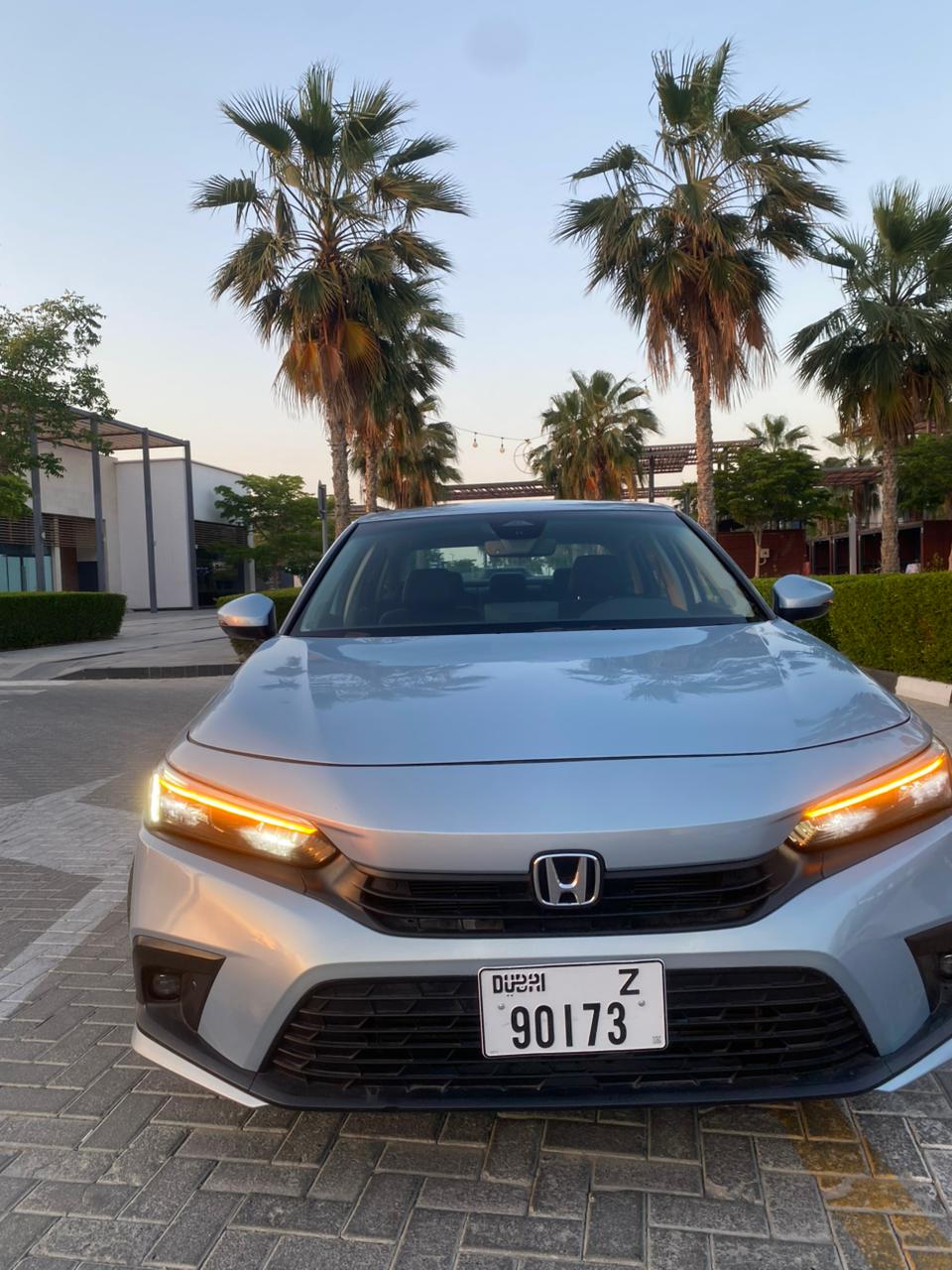
Moreover, take clear photographs from multiple angles. Show the exterior from front, back, and sides in good daylight. Include close-ups of any damage so there are no surprises. Take interior shots showing the dashboard, seats, and trunk. Photos of the engine bay and service records build confidence.
Specify your preferred contact method and response times. Indicate whether you prefer calls, messages, or emails. Let potential buyers know you’ll respond promptly. Finally, mention that the car is available for immediate inspection. Quick response and flexibility often lead to faster sales.
## Setting the Right Price Strategy
Pricing your car strategically affects how quickly it sells and what price you ultimately receive.
Research comparable vehicles currently listed in Abu Dhabi. Look for the same year, make, model, and mileage range. Note what features they include and their asking prices. This gives you realistic market data. Typically, the first week of a listing receives the most inquiries. Overpricing from the start causes you to miss this crucial window.
Consider pricing slightly below market rate if you need to sell quickly. A 5-10% discount compared to similar vehicles often generates multiple offers within days. You can still negotiate upward from there. Alternatively, price at market rate and be prepared to negotiate. Most buyers expect to haggle, so leave room for discussion.
Some sellers use the “anchor” strategy. They list at a slightly higher price, then accept a reasonable offer that’s actually their target price. This makes buyers feel they’ve negotiated successfully while you hit your actual goal.
You can also offer flexibility beyond price. For example, you might include new tires, a full tank of gas, or extended warranty coverage. These additions appeal to buyers without reducing your cash proceeds.
## Managing Viewings and Inspections
How you handle viewings significantly impacts both safety and sales success.
Always arrange viewings during daylight hours in public locations. While some buyers will want to visit your home, consider meeting in a shopping mall parking lot or dealership lot for the first inspection. This protects your privacy and safety.
Before each viewing, verify the buyer’s identity and contact information. Ask them to bring their UAE ID. This helps prevent time-wasters and scams. Never hand over keys before the buyer commits seriously.
Let potential buyers take test drives, but stay in the vehicle. During the drive, remain quiet and let them focus on how the car feels. Answer questions honestly about mechanical history and any issues you’ve noticed. Afterward, discuss their impressions while the car is fresh in their mind.
When buyers request pre-purchase inspections, cooperate fully. Many will want a third-party mechanic to evaluate the vehicle. This actually works in your favor if your car is in good condition—it confirms your claims. These inspections typically cost 200-400 AED and take 1-2 hours.
## Understanding Local Paperwork Requirements
Selling a car in Abu Dhabi involves specific documentation that protects both you and the buyer.
The most critical document is your Mulkiya, the vehicle registration certificate. This proves ownership and contains your car’s complete specifications and history. You must verify that the Mulkiya is current and not expired. If renewal is needed, handle it before selling to ensure a smooth transfer.
Additionally, you’ll need your personal Emirates ID. The buyer requires their UAE ID for the ownership transfer process. Both parties must appear together at the RTA (Roads and Transportation Authority) to officially transfer the Mulkiya. This typically happens at your local Abu Dhabi RTA office.
You should also prepare a bill of sale that documents the transaction. This written agreement specifies the vehicle details, sale price, date, and both parties’ signatures. While not legally required, it protects you by proving you’ve sold the car and received payment.
If the car is financed, you must clear the loan before selling. Contact your bank or financing company to determine the exact payoff amount. Some buyers will help you settle the loan directly if they’re financing their purchase through the same institution. However, you remain liable until the loan is completely discharged.
## Managing Money and Payment Safety
Handling payment securely protects you from fraud and ensures you receive legitimate funds.
Never accept partial payments or promises to pay later. Insist on receiving the full amount before transferring the Mulkiya. For large transactions, accept bank transfers rather than cash. Bank transfers leave a clear record and reduce the risk of counterfeit currency.
If you receive a check, verify it’s legitimate before releasing the vehicle. Ask the buyer for photo identification that matches the check. Call their bank to confirm the check is valid. Wait for the check to clear completely before completing the transfer.
When the sale is finalized and you’ve received full payment, the buyer must transfer the Mulkiya into their name within 30 days. Technically, you’re still responsible for the vehicle during this period. Therefore, don’t hand over the keys or sign the Mulkiya until you’ve verified that payment has actually cleared.
## Why Many Cars Aren’t Selling
If you’re struggling to sell your car, specific factors might be holding you back.
Overpricing is the most common problem. If your car sits unsold for more than two weeks, it’s likely priced too high compared to similar vehicles. Reduce the price by 5-10% and monitor response rates.
Poor presentation also kills sales. Dirty cars with mechanical issues or visible damage receive fewer inquiries. Invest in professional detailing and address obvious problems. These improvements often pay for themselves through a higher selling price.
Incomplete or vague listings turn away serious buyers. If your description lacks important details or your photos are blurry, people assume you’re hiding something. Provide thorough information and clear pictures from multiple angles.
Slow response times frustrate interested buyers. Someone might contact you about your car, then immediately contact three others if you don’t respond within an hour. Quick responses dramatically improve your chances.
Additionally, missing maintenance records make buyers nervous. Even a well-maintained car appears questionable without documentation. Keep all service records organized and accessible for viewings.
## Sell Your Car Faster with Professional Help
Sometimes the fastest way to sell your car is to work with a company that specializes in buying used vehicles.
Professional car buying services like iCarsU streamline the entire process. They handle inspections, valuations, paperwork, and payment without requiring you to manage multiple viewings and negotiations. Here’s how the process typically works:
You contact the company through WhatsApp, phone, or their online form. They ask basic questions about your vehicle—the year, make, model, mileage, and condition. Within hours, they provide an estimate based on your responses.
Next, they schedule an inspection at a time and place convenient for you. A trained inspector examines your vehicle thoroughly, checking the engine, transmission, electrical systems, suspension, and bodywork. They review your maintenance history and test drive the car. Based on this inspection, they provide a final offer.
If you accept, they handle all the paperwork. They manage the Mulkiya transfer, arrange RTA appointments, and process payment. The entire transaction typically completes within 24-48 hours. You receive immediate payment once all documents are signed and verified.
This approach works especially well if your car has mechanical issues, accident history, or high mileage. Many people believe they can’t sell such vehicles, but professional buyers accept cars in all conditions. They have the expertise to handle repairs and resale. Therefore, they can offer fair prices even for problematic vehicles that private buyers would reject.
## Making Your Final Decision
Ultimately, you must choose the selling method that aligns with your priorities.
Choose private sales if you want maximum price and don’t mind investing time and effort. This route suits sellers who aren’t in a hurry and enjoy negotiating.
Select dealership trade-ins if you’re buying another car and prioritize convenience over price. The streamlined process saves time, even if you get less money.
Work with professional car buying companies if you want speed, simplicity, and fair pricing. This option is perfect if you want to avoid managing multiple viewings or dealing with paperwork complexity.
Use online classifieds if you want to reach many potential buyers while maintaining control over the process. This approach requires more work but gives you flexibility.
Whatever method you choose, prepare your car thoroughly, be honest in your listing, respond promptly to inquiries, and verify payment before completing the transfer. These practices apply regardless of your chosen selling channel.
**Ready to sell your car?** If you want a fast, hassle-free experience where professionals handle all the details, contact iCarsU today. We offer free evaluations, competitive pricing, and same-day offers for cars throughout Abu Dhabi. Reach out through WhatsApp or submit a quick inquiry to get started. With 14 years of experience buying cars from Abu Dhabi residents, we understand exactly what you need to get the best deal quickly and securely.
What documents do I need if my car is still under finance when selling it in Abu Dhabi?
You must obtain a clearance certificate from your financing bank or company before the ownership transfer can occur. Contact your lender to get the exact payoff amount, as this may differ from your remaining loan balance due to interest calculations. Some buyers can help settle the loan directly if they’re also financing through a bank, but you remain legally responsible until the debt is completely discharged. Always ensure the loan is fully cleared before signing over the Mulkiya to avoid complications.
How long does the RTA ownership transfer process typically take when selling your car in Abu Dhabi?
The actual Mulkiya transfer at the RTA usually takes 30 minutes to an hour once both parties arrive with the required documents. However, the buyer has 30 days from the sale date to complete the transfer, though it’s best to do it immediately to avoid liability issues. After the transfer is complete, the new owner will receive their registration certificate, and you’ll no longer be responsible for the vehicle. Processing times can vary depending on how busy your local RTA office is, so it’s wise to visit early in the morning or on less busy days.
Should I repair mechanical issues before selling my car, or is it better to reduce the price in Abu Dhabi?
This depends on the severity of the issues and your timeline. Minor repairs like replacing fluids, filters, or worn brake pads are usually worth fixing because they improve the car’s appeal and resale value significantly. However, for major mechanical problems like engine or transmission issues, it’s often better to disclose them and reduce the price instead. Professional car buying services like iCarsU actually specialize in purchasing vehicles with mechanical issues, so if repairs would be expensive, selling to a specialist buyer might yield a better overall result than attempting fixes yourself.
What’s the best way to avoid scams when selling your car privately in Abu Dhabi?
Always verify the buyer’s identity by asking for their UAE ID and matching it to their contact information. Meet only in public, well-lit locations during daylight hours, and never hand over keys or sign documents until payment has fully cleared in your bank account. For large transactions, insist on bank transfers rather than cash, as this creates a verifiable record. If the buyer wants to use a check, call their bank to confirm its validity and wait for it to clear completely. Additionally, have a witness present during viewings and be cautious of buyers who pressure you to rush the process or offer unusually high prices.
Can I sell my car in Abu Dhabi if the Mulkiya is expired or nearing expiration?
You should renew your Mulkiya before selling if it’s expired or expiring soon. An expired registration makes the transfer process more complicated and raises red flags for buyers, as it suggests the vehicle hasn’t been properly maintained legally. Renewal is straightforward and inexpensive at the RTA. Having a current, valid Mulkiya demonstrates responsible ownership and makes the transaction smoother for both parties. If you’re using a professional car buying service, they may handle renewal as part of their process, but it’s best to clarify this beforehand.














 English
  Arabic