
 Urgent? WhatsApp a buyer









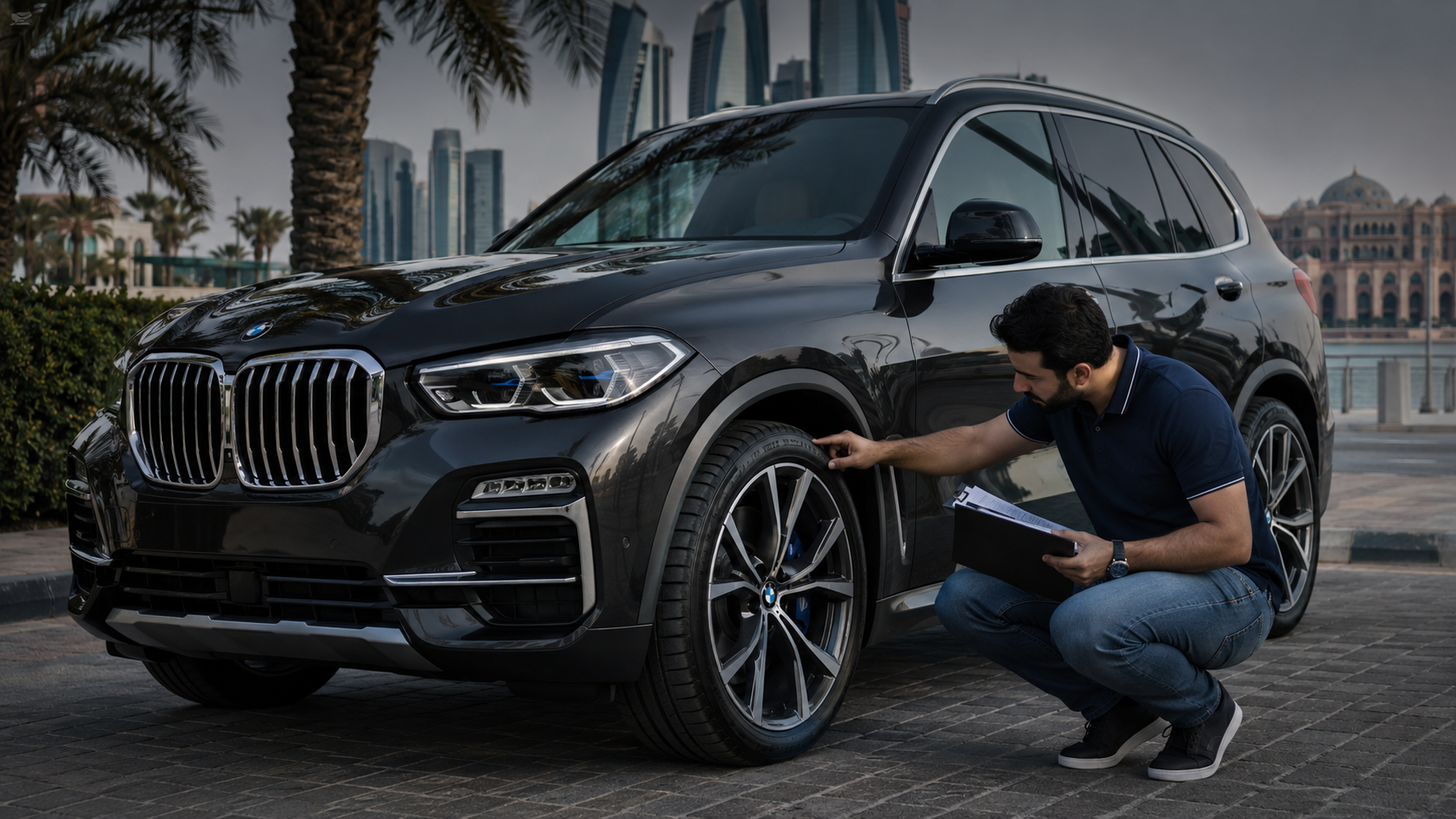
Sell a BMW X5 in Abu Dhabi: Explain Wheel Changes and Keep Original Fitment Details Available
Selling a BMW X5 in Abu Dhabi becomes easier when you explain every wheel change clearly. Buyers want to know whether your SUV still follows BMW’s original wheel specifications. Therefore, you should identify aftermarket wheels, confirm tyre sizes, and keep the original fitment details available. Clear records help buyers understand your vehicle’s condition. Moreover, accurate information reduces confusion during inspections and price discussions. If you plan to sell BMW X5 Abu Dhabi, proper wheel documentation can help you present your SUV confidently.
The BMW X5 combines luxury, performance, and everyday comfort. However, wheel changes can affect how buyers evaluate the vehicle. Some owners install larger wheels for appearance. Others replace damaged rims or choose different designs. Additionally, some drivers change their wheel sets to improve comfort or suit their driving needs.
These changes do not automatically reduce a vehicle’s value. Nevertheless, buyers often want evidence that the replacement wheels suit the vehicle.
When you prepare your BMW X5 for sale, explain the changes honestly. Furthermore, keep relevant invoices, photographs, and original specifications together. This approach helps buyers compare the current setup with BMW’s approved options.
Why Wheel Changes Matter When You Sell BMW X5 Abu Dhabi
The wheels play an important role in your BMW X5’s appearance and performance. They also affect steering, ride comfort, and tyre selection.
Therefore, buyers often inspect the wheels before discussing the final price.
Some buyers prefer original BMW wheels because they value factory specifications. Meanwhile, other buyers appreciate aftermarket designs that improve the SUV’s appearance.
However, every buyer needs clear information about the installed wheels.
For example, a BMW X5 may feature attractive 22-inch aftermarket wheels. The wheels might look impressive in photographs. Nevertheless, their appearance alone does not confirm proper fitment.
Buyers may want to check the wheel width, offset, tyre sizes, and load capacity.
Additionally, they may compare these details with BMW’s approved specifications.
When you provide accurate information, buyers can evaluate the changes more easily. Consequently, you may avoid unnecessary delays during negotiations.
A clear explanation also demonstrates responsible ownership.
Understanding Original BMW X5 Wheel Specifications
BMW offers different wheel configurations across X5 generations, models, and equipment packages.
Therefore, you should never assume that every BMW X5 uses the same wheel sizes.
For example, wheel options can differ between an X5 xDrive40i, xDrive50i, and M performance model. Different production years may also have different specifications.
Additionally, some factory packages include larger wheels or different front and rear tyre widths.
Before advertising your vehicle, identify its original wheel configuration.
Check the vehicle identification number, commonly called the VIN. Then, use the correct BMW vehicle information to confirm the factory equipment.
You can also consult the owner’s manual or an authorised BMW service centre.
Keep these details available:
-
Original wheel diameter and width.
-
Factory wheel design or style number.
-
Approved front and rear tyre sizes.
-
Recommended tyre load and speed ratings.
-
Wheel offset specifications.
-
Factory wheel and tyre combinations.
-
Original equipment information for your particular vehicle.
Furthermore, check whether BMW originally supplied a staggered wheel configuration.
A staggered setup uses different wheel or tyre widths at the front and rear.
This distinction matters because your replacement wheels should respect the vehicle’s technical requirements.
How to Identify Aftermarket Wheels on Your BMW X5
Aftermarket wheels come from manufacturers outside the original factory equipment selection.
Some aftermarket wheels suit BMW vehicles correctly. However, other products may not meet the necessary fitment requirements.
Therefore, identify the exact wheel brand and model before advertising your BMW X5.
Start by checking any purchase invoices or installation records.
These documents may include the wheel manufacturer, diameter, width, and product reference.
Additionally, some wheels display specifications on their inner surfaces.
A professional tyre shop can help you inspect these markings safely.
Do not assume that a wheel carries original BMW specifications simply because it displays a BMW centre cap.
Aftermarket wheels may use compatible centre caps. Consequently, the appearance of the centre cap cannot prove the wheel’s origin.
You should also identify whether the wheels use original BMW equipment or third-party components.
This information helps buyers understand the current setup.
Original Wheels Versus Aftermarket Wheels
Original BMW wheels usually follow specifications that BMW approves for particular vehicles.
Meanwhile, aftermarket manufacturers offer alternative designs, finishes, and sizes.
Neither option automatically determines the vehicle’s overall condition.
However, the correct fitment remains essential.
When you sell BMW X5 Abu Dhabi, describe the wheels accurately.
For example, you might explain that you replaced the factory wheels with aftermarket alloy wheels.
Then, mention the manufacturer and confirmed specifications.
If you still own the original wheels, tell potential buyers.
Additionally, explain whether the original wheel set forms part of the sale.
This simple information can improve transparency and prevent misunderstandings.
Why Wheel Fitment Original Specification Evidence Matters
Wheel fitment original specification evidence helps buyers compare your current wheels with the manufacturer’s requirements.
This evidence can include factory equipment records, technical specifications, and professional installation documents.
Therefore, you should collect reliable information before arranging buyer inspections.
A buyer may notice that your BMW X5 has larger wheels than another vehicle from the same year.
Without supporting information, the buyer may assume that the wheels do not match BMW’s requirements.
However, different equipment packages can offer different wheel sizes.
Accurate documentation helps clarify these differences.
Moreover, buyers can use the records to investigate the current wheel setup.
Keep the documents together in a digital folder.
You can also prepare printed copies for serious buyers.
Documents That Support Original Wheel Fitment
Several records can help establish your BMW X5’s original wheel configuration.
Factory vehicle specification records
These records identify the vehicle’s original equipment and available wheel options.
BMW owner’s manual
The manual provides guidance about approved wheels, tyres, and related safety requirements.
Original purchase documents
Your original purchase invoice may identify the wheel package or optional equipment.
Wheel replacement invoices
These invoices can show when you purchased new wheels and identify their specifications.
Tyre installation records
A tyre shop may record the tyre sizes, installation date, and balancing work.
Professional inspection reports
A qualified workshop can inspect the current wheels and identify possible fitment problems.
Together, these documents provide useful evidence.
However, a purchase invoice alone cannot prove that an aftermarket wheel meets every BMW requirement.
Therefore, confirm technical compatibility through reliable vehicle specifications and professional advice.
Check Wheel Diameter Before Selling Your BMW X5
Wheel diameter represents one of the most visible differences between wheel configurations.
BMW X5 models can support different wheel diameters depending on their generation and equipment.
For example, some configurations use 19-inch or 20-inch wheels. Other versions offer larger factory wheel options.
Nevertheless, you must confirm the approved sizes for your exact vehicle.
A larger wheel can change the SUV’s appearance.
However, larger wheels often require tyres with shorter sidewalls.
Consequently, the setup may change ride comfort and increase sensitivity to road damage.
When buyers inspect your BMW X5, they may compare the wheel size with the original equipment.
Therefore, record the current wheel diameter accurately.
Avoid guessing from photographs.
Instead, inspect the wheel markings or request confirmation from a tyre specialist.
Explain Why You Changed the Wheel Size
Buyers appreciate simple explanations.
For example, you may have installed larger wheels to achieve a sportier appearance.
Alternatively, you may have selected smaller approved wheels to improve everyday comfort.
You may also have replaced an older set after damage.
Whatever your reason, explain it clearly.
Additionally, mention the approximate installation date.
If you retained the old wheels, provide photographs when available.
This information helps buyers understand the vehicle’s history.
Verify Wheel Width and Offset Before Advertising
Wheel diameter alone does not determine compatibility.
Wheel width and offset also influence how the wheel fits the vehicle.
Wheel width describes the distance between the inner tyre bead seating surfaces.
Meanwhile, wheel offset describes the relationship between the mounting surface and the wheel’s centreline.
These details affect the wheel’s position inside the wheel arch.
An unsuitable offset may bring the wheel too close to suspension components.
Alternatively, it may push the wheel too far outward.
Therefore, correct fitment requires more than matching the diameter.
A BMW X5 aftermarket wheels seller should identify both wheel width and offset.
This information allows buyers to investigate compatibility.
Moreover, professional wheel suppliers can use these measurements to assess the setup.
Check Clearance Around the Wheels
Wheel clearance matters during steering and suspension movement.
Therefore, a qualified technician should inspect the space around the tyres and rims.
The technician can check for contact with suspension parts, brakes, and body panels.
Additionally, the inspection can identify unusual rubbing marks.
These marks may indicate incorrect fitment or another mechanical problem.
Do not ignore rubbing noises during driving.
Instead, arrange a professional inspection before offering the vehicle for sale.
Correcting genuine fitment problems protects the vehicle and supports a more transparent sale.
Understand Staggered Wheel Setups on the BMW X5
Some BMW X5 configurations use staggered wheel and tyre setups.
This means the front and rear wheels may have different widths.
For example, a manufacturer-approved configuration may use wider rear tyres than front tyres.
However, the correct combination depends on the specific BMW X5 model.
Therefore, you should verify the factory requirements before changing any wheels.
A staggered setup can support particular handling and performance characteristics.
Nevertheless, incorrect tyre combinations may create mechanical concerns.
BMW’s xDrive all-wheel-drive system also makes tyre compatibility important.
Different tyre rolling circumferences can affect the drivetrain.
Consequently, owners should avoid fitting unapproved combinations.
Keep Front and Rear Specifications Separate
When you prepare your wheel records, identify the front and rear specifications independently.
Include the following information for each axle:
-
Wheel diameter.
-
Wheel width.
-
Wheel offset.
-
Tyre width and profile.
-
Tyre construction.
-
Load and speed ratings.
-
Wheel manufacturer and model.
Additionally, record whether the wheels follow an approved staggered arrangement.
This information helps buyers identify the installed configuration.
If a previous owner changed the wheels, explain what you know.
However, avoid claiming that the setup matches factory specifications without supporting evidence.
Check Tyre Sizes When You Sell BMW X5 Abu Dhabi
Tyres deserve the same attention as the wheels.
Even correctly sized wheels can create problems when owners install unsuitable tyres.
Therefore, inspect every tyre before preparing your vehicle advertisement.
Look for the size markings on the tyre sidewalls.
For example, a marking such as 275/40 R21 describes several tyre characteristics.
The first number represents tyre width in millimetres.
The second number describes the sidewall height as a percentage of the width.
Meanwhile, the final number indicates the rim diameter in inches.
This example does not establish the correct size for your particular BMW X5.
You must consult the approved specification for your vehicle.
Confirm Tyre Load and Speed Ratings
Tyre size tells only part of the story.
Every tyre also carries load and speed ratings.
The load rating indicates the tyre’s approved weight capacity.
Meanwhile, the speed rating identifies the tyre’s rated speed capability under specified conditions.
Your BMW X5 requires tyres that meet the relevant manufacturer requirements.
Therefore, check these ratings before advertising the vehicle.
Additionally, inspect whether the tyres share compatible specifications.
A qualified tyre specialist can verify the complete arrangement.
This step becomes especially important when owners change wheel diameters.
Examine Tyre Age and Condition
Abu Dhabi’s hot climate makes tyre care particularly important.
High temperatures can increase the demands on tyres.
Therefore, check their age, condition, and inflation pressure.
Look for cracks, sidewall damage, uneven wear, and visible cuts.
Additionally, examine the tread across each tyre.
Uneven wear may indicate alignment problems, suspension concerns, or incorrect inflation.
Do not describe tyres as new simply because they still have visible tread.
Instead, record their actual manufacturing dates when possible.
You can also provide recent tyre purchase invoices.
Clear tyre information helps buyers understand future replacement needs.
Explain Wheel Changes Made by Previous Owners
Not every BMW X5 seller installed the current wheels personally.
You may have purchased your SUV with aftermarket wheels already fitted.
In this situation, honesty remains important.
Explain that the wheels came with the vehicle when you bought it.
Then, provide any documents you received from the previous owner.
You should not invent installation dates or purchase prices.
Moreover, avoid claiming that the wheels have BMW approval without evidence.
Instead, arrange a professional inspection if you cannot confirm their compatibility.
A workshop may identify the wheel manufacturer and technical specifications.
Furthermore, the technician can compare the setup with available manufacturer guidance.
This approach helps you provide accurate information without making unsupported claims.
Separate Confirmed Facts From Unknown Details
Buyers appreciate clear distinctions between facts and assumptions.
For example, you may know the wheel diameter but not the installation date.
You might also know the wheel brand without knowing the original purchase price.
Explain these details separately.
Additionally, keep any inspection findings available.
Do not describe an unknown wheel history as a complete maintenance record.
Instead, share the information that you can verify.
This protects your credibility and supports fair negotiations.
How Aftermarket Wheels Can Affect BMW X5 Resale Value
Aftermarket wheels can influence buyer preferences.
However, they do not guarantee a higher or lower selling price.
Some buyers prefer attractive custom wheels.
Meanwhile, others prefer original BMW equipment.
Therefore, the value depends partly on the buyer’s expectations.
Wheel quality, condition, compatibility, and documentation also matter.
For example, high-quality aftermarket wheels may appeal to a buyer who values appearance.
However, an incompatible wheel setup may create additional repair costs.
Consequently, buyers may consider replacement expenses when making offers.
Original BMW Wheels May Support Buyer Confidence
Many used luxury SUV buyers prefer factory equipment.
Original wheels can make it easier to confirm the vehicle’s intended configuration.
Therefore, retaining your factory wheels may provide an advantage.
If you still own them, photograph the complete set.
Additionally, inspect the wheels for damage.
Record their dimensions and condition.
Then, decide whether to include them in the vehicle sale.
You can also discuss the original wheels separately during negotiations.
However, clarify the arrangement before agreeing on a final price.
Avoid Overpricing Based Only on Wheel Upgrades
Aftermarket wheels can cost a significant amount.
Nevertheless, buyers may not value them at their original purchase price.
For example, you may have spent thousands of dirhams on a custom wheel set.
However, the next owner may prefer the factory design.
Therefore, the upgrade cost does not automatically increase the resale value by the same amount.
Instead, consider the vehicle’s overall market position.
Mileage, service history, accident history, mechanical condition, and model year also influence offers.
When you sell BMW X5 Abu Dhabi, explain the wheel changes without exaggerating their financial value.
Inspect Alloy Wheels for Damage Before Selling
Alloy wheels can develop cosmetic and structural damage.
Parking contact may scratch the outer rim.
Meanwhile, road impacts can bend or crack a wheel.
Therefore, inspect every wheel carefully before arranging buyer viewings.
Start with the visible surfaces.
Look for scratches, paint damage, corrosion, and uneven finishes.
Then, inspect the inner rims through a qualified workshop.
Some damage remains difficult to see while the wheels remain on the vehicle.
Additionally, ask the workshop to check for bends or cracks when appropriate.
Explain Previous Wheel Repairs
Some owners repair damaged alloy wheels instead of replacing them.
A professional may repair certain cosmetic problems.
However, structural wheel damage requires careful technical assessment.
Not every damaged wheel qualifies for safe repair.
Therefore, never assume that every crack or bend has a suitable repair method.
If your BMW X5 has repaired wheels, explain the work.
Provide invoices or workshop records when available.
Additionally, identify which wheels received repairs.
Do not hide structural repair history under fresh paint.
Transparent information helps buyers assess the vehicle properly.
Keep Wheel Purchase and Installation Records
A clear wheel history can make your BMW X5 advertisement more informative.
Therefore, save every relevant invoice.
Wheel purchase invoices may identify the manufacturer, model, and size.
Installation receipts may show when a workshop fitted the wheels.
Meanwhile, balancing and alignment records can demonstrate related maintenance.
Keep these records in chronological order.
Additionally, save digital copies to avoid losing important information.
A simple folder structure can include purchase documents, installation records, and inspection reports.
You should also include photographs of the wheels before and after installation when available.
Record Wheel Balancing and Alignment Work
Wheel balancing helps reduce vibration caused by uneven weight distribution.
Meanwhile, wheel alignment controls the position of the wheels relative to the vehicle’s suspension geometry.
These services address different issues.
Therefore, do not treat a balancing invoice as proof of correct alignment.
If you recently completed either service, keep the invoice.
Additionally, describe any related repairs.
For example, you may have completed alignment after replacing suspension components.
Explain the work clearly.
However, do not claim that alignment confirms complete wheel compatibility.
A professional must assess the relevant specifications separately.
Check Wheel Bolts, Spacers, and Mounting Components
Wheel changes sometimes involve additional hardware.
For example, some aftermarket setups use spacers or different mounting components.
These parts require careful attention.
Incorrect wheel bolts or mounting arrangements can create serious safety risks.
Therefore, identify any non-original hardware before selling your SUV.
Ask a qualified technician to inspect the wheel mounting system.
The technician should confirm that the components suit the specific wheel and vehicle.
Additionally, check whether the installation follows manufacturer requirements.
Disclose Wheel Spacers Clearly
Some owners install wheel spacers to change the wheel’s position.
However, spacers alter the mounting arrangement and can affect clearance and component loading.
Therefore, buyers should know when a BMW X5 has wheel spacers.
Explain their presence in your vehicle description.
Additionally, provide the manufacturer and specifications when available.
You should also retain any professional installation records.
Do not remove spacers simply to hide a previous modification.
Instead, address compatibility concerns through a qualified workshop.
Understand Wheel Modification Requirements in Abu Dhabi
Vehicle owners in Abu Dhabi must consider applicable UAE safety and vehicle modification requirements.
The UAE regulates substantial vehicle modifications and requires appropriate approval for changes that fall within those rules.
Furthermore, the country applies technical safety requirements to modified vehicles.
However, not every wheel replacement automatically counts as a substantial modification.
The exact requirements depend on the nature of the changes and applicable inspection rules.
Therefore, confirm the relevant requirements with the authorised inspection or licensing authority.
Do not assume that a wheel setup meets every requirement simply because the vehicle previously passed an inspection.
Additionally, keep any relevant approval records available.
The official UAE legislation provides more information about vehicle modification controls and technical safety requirements.
Prepare Your BMW X5 for Vehicle Inspection
Before arranging an official inspection, check the wheels and tyres.
Confirm that the tyres match the applicable approved sizes.
Additionally, examine the wheel condition and mounting hardware.
Look for visible damage and unusual tyre wear.
Then, arrange professional checks for any concerns.
You should also verify that the wheels do not rub against surrounding components.
Furthermore, keep relevant modification and inspection documents ready.
A successful previous inspection provides useful history.
However, it does not replace proper technical verification of later changes.
Photograph Your BMW X5 Wheels Clearly
High-quality photographs help buyers understand the vehicle before arranging a viewing.
Therefore, include detailed wheel photographs in your advertisement.
Start with a clear side photograph of the entire SUV.
Then, photograph each wheel individually.
Use natural lighting when possible.
Additionally, clean the rims before taking pictures.
Remove ordinary dirt and brake dust.
However, avoid hiding existing damage.
Buyers should see the actual condition.
Capture Important Wheel Details
Useful photographs can include:
-
A full side view of the BMW X5.
-
Close views of each alloy wheel.
-
Visible tyre sidewall markings.
-
Wheel brand or manufacturer markings.
-
Any scratches or cosmetic damage.
-
Original wheels, when available.
-
Relevant wheel purchase invoices.
Additionally, photograph the vehicle from the front and rear.
These angles help buyers understand the overall appearance.
You can also record a short walkaround video.
However, ensure that the video accurately represents the vehicle.
Avoid heavy editing that hides damage or changes the wheel appearance.
Write an Accurate BMW X5 Advertisement
Your advertisement should explain important modifications without overwhelming buyers.
Therefore, start with the vehicle’s basic information.
Include the model year, variant, mileage, and regional specifications.
Then, describe the current wheel setup.
For example, you could write:
BMW X5 with aftermarket alloy wheels. Wheel brand and dimensions available. Original fitment specifications and recent tyre records available for inspection.
Only use this description when you have the supporting information.
If you still own the factory wheels, mention them separately.
Additionally, explain whether you will include them in the sale.
Avoid claiming that the wheels are original BMW equipment when they are aftermarket products.
Use Clear Details for Abu Dhabi Buyers
People searching for a BMW X5 in Abu Dhabi often compare several used vehicles.
Therefore, clear information can help your advertisement stand out.
Identify the vehicle’s actual condition.
Mention important repairs and maintenance records.
Additionally, describe the wheels accurately.
You can explain whether the SUV currently uses factory wheels or aftermarket replacements.
Furthermore, state whether a professional has checked the fitment.
This approach gives buyers practical information before they visit.
How to Handle Wheel Fitment During Buyer Inspections
A buyer may inspect the wheels closely during a viewing.
Therefore, prepare your documents in advance.
Keep the original specifications and replacement wheel information together.
When the buyer examines the vehicle, explain the changes calmly.
Show the relevant invoices.
Additionally, allow the buyer to inspect the tyres and visible wheel markings.
If the buyer requests professional confirmation, consider an independent inspection.
However, agree on the inspection arrangements before proceeding.
A qualified technician can assess the current setup.
Explain Differences Without Making Unsupported Claims
Some sellers describe aftermarket wheels as better than factory wheels.
However, this statement depends on the product and intended use.
Different wheels offer different characteristics.
For example, a larger wheel may improve the vehicle’s visual appearance.
Nevertheless, it may also affect ride comfort.
Therefore, explain the actual changes instead of promising better performance.
You should also avoid claiming that every aftermarket wheel meets BMW’s standards.
Only reliable technical evidence can support specific compatibility statements.
Avoid Common Mistakes When Selling a Modified BMW X5
Small mistakes can create unnecessary difficulties during a vehicle sale.
Therefore, review your wheel information carefully.
One common mistake involves listing the wrong wheel size.
Another involves confusing original BMW wheels with aftermarket products.
Some sellers also forget to mention staggered tyre configurations.
Meanwhile, others overlook wheel spacers or previous repairs.
These omissions can cause disagreements during inspections.
Additionally, buyers may become concerned when the documents contradict the advertisement.
Do Not Guess the Original Specifications
The BMW X5 has multiple generations and equipment configurations.
Therefore, a wheel size from another X5 may not apply to your vehicle.
Do not copy specifications from an unrelated online advertisement.
Instead, identify your exact model and production details.
Then, verify the relevant equipment information.
You should also check any previous modifications.
This approach prevents inaccurate claims.
Do Not Hide Wheel Damage
Fresh paint can improve the appearance of a wheel.
However, cosmetic work does not automatically resolve structural damage.
Therefore, disclose significant wheel repairs.
Additionally, provide repair records when available.
If you suspect a structural problem, arrange professional assessment before selling.
A buyer should understand any unresolved concern.
Do Not Assume Expensive Wheels Guarantee Compatibility
Some premium aftermarket wheels cost more than factory alternatives.
Nevertheless, price alone does not confirm technical suitability.
A wheel must match the vehicle’s specific requirements.
Therefore, verify the dimensions, mounting arrangement, and relevant load capacity.
Additionally, confirm tyre compatibility.
Professional advice can help identify potential problems.
Sell BMW X5 Abu Dhabi With a Clear Vehicle History
A complete vehicle history strengthens your sale preparation.
Wheel records represent one part of that history.
Therefore, organise your service documents alongside your wheel information.
Include maintenance invoices, repair records, and relevant inspection reports.
Additionally, check the vehicle’s registration details.
Confirm that the information matches the actual BMW X5.
Buyers may also want to review previous accident repairs.
Therefore, provide accurate information about known damage.
Do not make unsupported claims about the vehicle’s history.
Prepare a Simple Wheel Information Sheet
A short information sheet can make buyer discussions easier.
You can record the following details:
|
Information |
Details to Prepare |
|---|---|
|
Vehicle |
BMW X5 model year and variant |
|
Original wheels |
Verified factory wheel specifications |
|
Current wheels |
Manufacturer, model, diameter, and width |
|
Wheel offset |
Confirmed front and rear offset |
|
Tyres |
Front and rear sizes and ratings |
|
Installation |
Date and workshop, if known |
|
Wheel repairs |
Known damage and repair records |
|
Original wheel set |
Available or unavailable |
|
Fitment evidence |
Factory specifications and supporting documents |
|
Inspection |
Latest relevant professional inspection |
This information sheet helps you organise your records.
Additionally, it allows buyers to compare the current setup with the original specification.
However, the sheet should reflect verified facts rather than assumptions.
How iCarsU.com Can Help You Sell Your BMW X5 in Abu Dhabi
Selling a used luxury SUV privately can require time and preparation.
You may need to photograph the vehicle, answer enquiries, and arrange viewings.
Additionally, buyers may negotiate based on the car’s condition and modifications.
If you want another selling option, you can contact iCarsU.com.
iCarsU.com buys used cars in Abu Dhabi and offers vehicle valuation and inspection services.
Therefore, BMW X5 owners can discuss their vehicle’s details before deciding whether to proceed.
When contacting iCarsU.com, provide accurate information about your SUV.
Include the model year, mileage, and overall condition.
Additionally, mention any aftermarket wheel changes.
You should also explain whether the original wheels remain available.
Prepare Wheel Documents Before Your Valuation
Accurate information can help you explain your vehicle’s condition during a valuation.
Therefore, collect your wheel invoices and inspection records.
Additionally, prepare photographs that show the current setup.
If your BMW X5 has original factory wheels, identify their specifications.
If it has aftermarket wheels, explain the modifications.
Moreover, mention any known wheel damage.
The vehicle’s overall condition remains important during the evaluation.
Consequently, clear records can support a more informed discussion.
Selling Your BMW X5 Across Abu Dhabi
BMW X5 owners live throughout Abu Dhabi and its surrounding communities.
You may be selling from Khalifa City, Mohammed Bin Zayed City, or Al Mushrif.
Alternatively, you may live in Al Reem Island, Al Raha Beach, or Yas Island.
Regardless of your area, accurate vehicle information remains important.
Therefore, prepare the same wheel documents before contacting potential buyers.
You should also keep your vehicle registration and ownership information available.
Additionally, confirm that your description matches the vehicle’s current condition.
Clear preparation can reduce repeated explanations during the selling process.
Should You Reinstall the Original Wheels Before Selling?
Some owners consider reinstalling factory wheels before advertising their BMW X5.
This decision depends on the condition and compatibility of both wheel sets.
For example, your original wheels may offer a familiar factory appearance.
However, they may also have old tyres or visible damage.
Therefore, inspect their condition before reinstalling them.
Additionally, confirm that the original wheels still suit the vehicle’s current braking and equipment configuration.
A professional workshop can check the relevant specifications.
Do not reinstall damaged wheels simply to improve resale appeal.
Compare Both Wheel Sets Carefully
If you own both sets, compare their condition.
Check the tyres, wheel surfaces, and fitment records.
Additionally, consider the buyer’s preferences.
Some buyers may prefer factory wheels.
Others may appreciate the aftermarket design.
Therefore, keeping both sets available may provide flexibility.
However, make the sale arrangement clear.
Explain which wheels the buyer will receive.
You should also agree on whether the spare set affects the final price.
Keep Original Fitment Evidence Even After Removing Factory Wheels
You do not need to keep the original wheels physically to preserve their specification details.
However, you should maintain reliable documentation.
For example, you may have sold the original wheel set after upgrading.
In that case, keep the factory equipment information.
Additionally, save any old photographs or purchase records.
These documents help establish the vehicle’s earlier configuration.
You should also retain the aftermarket wheel invoices.
Consequently, buyers can understand the changes more easily.
Create a Digital Record for Future Reference
Digital records make information easier to organise and share.
Therefore, save your documents in clearly named folders.
You can create separate folders for factory specifications, aftermarket wheels, tyres, and inspections.
Additionally, use filenames that identify the document and date.
For example, an installation invoice can include the installation month and year.
You should also keep backup copies.
However, protect personal information before sharing documents with buyers.
Remove unnecessary addresses, account details, and other sensitive information.
This allows buyers to review relevant vehicle records without exposing unrelated personal data.
Understand How Wheels Affect Everyday BMW X5 Driving
The BMW X5 delivers different driving characteristics depending on its configuration.
Wheels and tyres contribute to those characteristics.
Therefore, changes can influence comfort, steering response, and road noise.
For example, lower-profile tyres may provide less cushioning over uneven roads.
Meanwhile, different tyre designs can affect noise levels.
Wheel weight can also influence how the vehicle responds.
However, the actual result depends on the complete setup.
Consequently, you should not promise specific improvements without reliable evidence.
Pay Attention to Vibration and Road Noise
A vehicle with incorrectly balanced wheels may develop vibration.
Additionally, damaged wheels or tyres can create similar symptoms.
Therefore, investigate unusual vibration before arranging viewings.
A qualified workshop can inspect the wheels and tyres.
The technician may recommend balancing, alignment checks, or further diagnosis.
However, wheel balancing does not resolve every vibration problem.
Suspension and drivetrain components may also require inspection.
Explain any completed work accurately.
Furthermore, retain the repair invoices.
Why Transparent Wheel Records Help Build Buyer Trust
Buyers often look for signs that an owner has maintained the vehicle responsibly.
Clear wheel records can support that impression.
Therefore, accurate documentation matters beyond the technical details.
When you explain a modification, buyers can understand its purpose.
When you provide invoices, they can review the purchase and installation history.
Additionally, original specifications help them compare the current setup.
This does not guarantee an immediate sale.
However, it can reduce uncertainty during buyer discussions.
Confidence Comes From Evidence, Not Promises
A seller might describe aftermarket wheels as perfect.
However, this word provides little technical information.
A better description identifies the wheel manufacturer and confirmed measurements.
Similarly, a seller might claim that the wheels fit every BMW X5.
That claim may be inaccurate.
Different X5 generations can have different requirements.
Therefore, focus on evidence that applies to your exact vehicle.
Provide confirmed specifications and relevant inspection findings.
Additionally, explain any information that remains unknown.
This approach supports more professional communication.
Final Steps Before You Sell Your BMW X5 in Abu Dhabi
Before advertising your SUV, review the complete wheel setup.
Confirm the wheel manufacturer, dimensions, and visible condition.
Then, compare the current configuration with the correct BMW specifications.
Additionally, inspect the tyres and check their sizes.
Arrange professional assessment when you identify possible fitment problems.
Keep all available purchase and installation records.
Furthermore, photograph the current wheels clearly.
If you still own the original wheels, inspect and document them.
You should also explain any significant wheel repairs.
When preparing your advertisement, describe modifications accurately.
Avoid unsupported claims about performance, safety, or resale value.
Moreover, keep your documents ready for serious buyers.
When discussing offers, remember that buyers consider the entire vehicle.
Mileage, service history, mechanical condition, accident repairs, and wheel modifications can all influence their decisions.
Therefore, present the full picture.
Sell Your BMW X5 With Accurate Wheel Information
When you sell BMW X5 Abu Dhabi, clear wheel records can make the process more straightforward. Buyers need to understand the current wheels and their relationship to the original specifications. Therefore, identify aftermarket changes, verify tyre sizes, and keep reliable fitment evidence available.
Additionally, explain any wheel repairs and retain useful invoices. If you still own the factory wheels, clarify whether you will include them in the sale.
A well-prepared BMW X5 advertisement should present accurate facts rather than unsupported promises. Consequently, potential buyers can evaluate the vehicle with greater confidence.
If you want to sell your BMW X5 in Abu Dhabi, visit iCarsU.com to discuss your vehicle and request a valuation. Provide the model details, current wheel specifications, and available maintenance records. This information can help you explain your SUV’s condition clearly and move forward with a more informed selling decision.
Can I sell my BMW X5 in Abu Dhabi if the aftermarket wheels have a different colour from the original wheels?
Yes, you can sell your BMW X5 in Abu Dhabi with aftermarket wheels in a different colour. However, buyers may want to know whether the wheels have their original finish or a new coating. Therefore, explain any repainting or powder coating work. Additionally, provide invoices when available. Wheel colour usually reflects personal preference, but the wheels must still meet the correct fitment and safety requirements.
Will aftermarket wheels affect the trade-in offer when I sell BMW X5 Abu Dhabi?
Aftermarket wheels may influence your BMW X5 trade-in offer, depending on their quality, condition, and compatibility. Some buyers appreciate upgraded wheels, while others prefer original BMW equipment. Therefore, provide wheel fitment original specification evidence to explain the changes. Additionally, keep purchase invoices and installation records available. You can contact iCarsU.com for a vehicle valuation in Abu Dhabi.
Can I sell my BMW X5 in Abu Dhabi if I have lost the aftermarket wheel purchase invoice?
Yes, you can still sell your BMW X5 without the original wheel purchase invoice. However, you should identify the wheel manufacturer, dimensions, and current condition. A professional tyre shop may help you confirm the specifications. Additionally, you can request original BMW wheel fitment information using your vehicle’s VIN. Clear technical details can help buyers assess the wheels even without the purchase receipt.
Does a BMW X5 aftermarket wheels seller need to disclose a change to the tyre pressure monitoring system?
Yes, you should explain any changes that affect your BMW X5 tyre pressure monitoring system. Some wheel replacements require compatible pressure sensors, depending on the vehicle’s equipment. Therefore, confirm that the system operates correctly and reports tyre pressure as intended. Additionally, disclose any warning messages or sensor problems. Buyers in Abu Dhabi may check these features during an inspection, so accurate information can prevent disagreements.
Can I sell BMW X5 Abu Dhabi with different aftermarket wheel brands on the front and rear axles?
You may be able to sell your BMW X5 with different wheel brands, but you must verify their compatibility first. Different brands do not automatically mean the wheels have incorrect specifications. However, differences in width, offset, load capacity, and tyre rolling circumference may create problems. Therefore, arrange a professional fitment inspection and keep the results available. Additionally, explain the mixed wheel setup clearly to potential buyers.
Related posts
Sell a Car in Dubai When Several Buyers Want to See It
November 22, 2026

Sell Your Car on Your Lunch Break in Abu Dhabi
November 22, 2026
Sell Your Car in Abu Dhabi While It Still Has a Valid Warranty
November 22, 2026

 English
 Arabic