# Car Paint Thickness Test for Accidents Abu Dhabi: Complete Guide to Detecting Hidden Damage
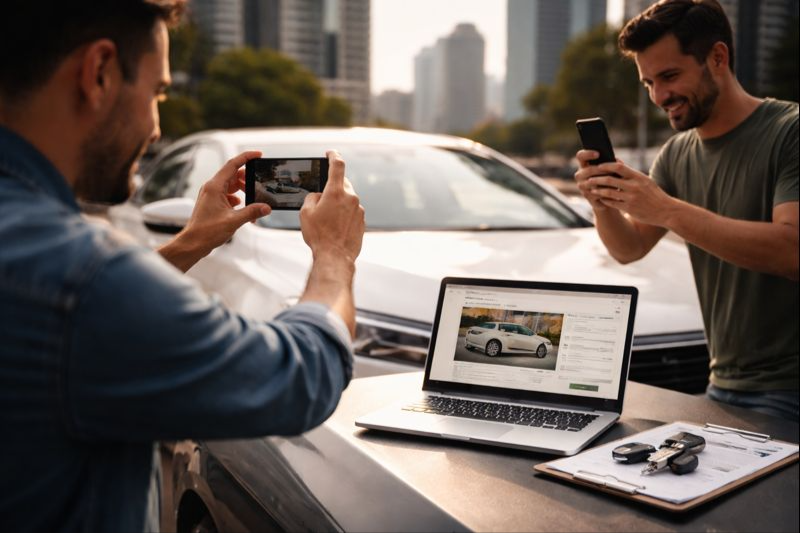
When you buy a used car in Abu Dhabi, you want to know its true history. Paint thickness testing reveals whether a vehicle has been repainted after an accident. This guide shows you how paint meters work, why they matter, and what to look for when inspecting a car before purchase.
## Understanding Paint Meter Testing in Abu Dhabi
A paint meter measures the thickness of your car’s paint coating. The device works by placing a sensor against the vehicle’s body panel. It then sends an electromagnetic signal through the paint layers. The meter reads how far the signal travels. Thicker paint usually means the panel was repainted after damage.
Modern cars in the UAE leave the factory with paint between 80 and 120 microns thick. This includes primer, base coat, and clear coat. When a technician repaints a panel after collision repair, they add more layers. The total thickness can reach 200 microns or higher.
Abu Dhabi’s hot, sunny climate adds another factor. UV rays fade original paint faster than repainted surfaces. A paint meter test becomes even more valuable when combined with visual inspection. You gain objective data rather than relying solely on appearance.
## Why Paint Thickness Detection Matters When Buying Used Cars
Repaint detection serves several important purposes. First, it proves whether someone repaired accident damage. Second, it identifies poor quality repairs. Third, it justifies lower prices for damaged vehicles. Fourth, it protects you from buying a car with hidden structural issues.
Many used car buyers in Abu Dhabi don’t realize that repainting indicates more than cosmetic work. When a panel gets repainted, the underlying structure probably suffered impact. Hidden corrosion might develop years later. Electrical systems near the impact zone could have damage you cannot see.
Insurance records sometimes get lost or hidden. A seller might claim their car never experienced an accident. Yet the paint meter test tells a different story. You discover the truth before committing your money.
Dealers and private sellers sometimes misrepresent vehicle history. Abu Dhabi’s used car market includes both honest dealers and those cutting corners. Professional inspection tools give you protection. You verify claims independently rather than trusting someone’s word.
## How Paint Thickness Tests Work: The Technical Side
Paint thickness meters use two primary technologies. Electromagnetic induction meters work on non-ferrous metals like aluminum. Ultrasonic meters work on any material. Most technicians in Abu Dhabi use electromagnetic meters because they measure faster.
The meter’s probe creates an electromagnetic field. When you place it against the paint, the field measures the coating thickness. Digital display shows the reading instantly. Quality meters give readings within 5 microns of actual thickness.
You test multiple spots on each panel. The front fender might show 95 microns on the outer edge. The same fender shows 180 microns near the door. This variation signals repainting. Panels that received factory paint stay consistent across their surface.
Different metals respond differently to meters. Steel panels read one way. Aluminum panels read differently. Your technician needs equipment calibrated for your car’s body composition. Abu Dhabi shops handling used car inspections should have calibrated meters for both metals.
Taking readings requires patience and technique. Press the meter firmly against smooth, clean surfaces. Avoid edges and seams where readings become unreliable. Test each panel at least three times in different locations. Record all readings for your inspection report.
## Recognizing Paint Repair Damage Patterns
Experienced inspectors spot patterns when they review paint thickness readings. Original factory paint shows minimal variation across panels. You might see 85 to 110 microns on the hood, doors, and fenders. Readings stay consistent from top to bottom.
Repainted panels spike dramatically above these numbers. A door showing 150 microns suddenly stands out. Then you compare it to the roof at 95 microns. The difference proves repainting occurred.
Multiple panels with high readings suggest major accident damage. Therefore, if the door, fender, and bumper all exceed 150 microns, the car experienced significant front-end collision. The repair wasn’t minor cosmetic work.
Some panels show partial repainting. The lower door might read 120 microns. The upper door reads 95 microns. This pattern indicates they repainted only the damaged section. Skilled technicians spot these partial repairs.
Uneven readings on a single panel suggest rushed repair work. Quality shops repaint entire panels evenly. Poor shops might tape off sections. They leave some areas original thickness. These inconsistencies flag low-quality repairs.
## Abu Dhabi Paint Meter Testing Standards and Regulations
The RTA (Roads and Transport Authority) in Abu Dhabi doesn’t mandate paint thickness testing for vehicle registration. However, when insurance disputes arise, adjusters often request these tests. Courts recognize paint meter readings as valid evidence of previous damage.
When you buy a used car in Abu Dhabi, no law requires sellers to disclose previous repainting. Yet the Consumer Protection Law requires honesty about vehicle condition. Hiding known accident damage violates this regulation. Paint meter testing gives you documentation if disputes later develop.
Insurance companies in the UAE understand paint thickness testing well. When you file a claim for new damage, adjusters examine the vehicle. They use paint meters to distinguish old repairs from new damage. This determines what they will and won’t cover.
Professional inspection shops throughout Abu Dhabi follow international standards. Most use meters calibrated to ISO 2808 standards. This ensures consistent, reliable measurements. Reputable shops provide written reports documenting all readings.
## Where to Get Paint Thickness Tests in Abu Dhabi
Multiple places offer paint meter testing in Abu Dhabi. Independent used car inspection companies provide comprehensive testing. These shops don’t buy or sell cars themselves. They work for you, the customer. They have no incentive to hide problems.
Many dealerships in Abu Dhabi now offer paint thickness testing during their inspection process. However, choose dealerships carefully. Some want to downplay previous damage if they’re selling the car. Others conduct honest inspections. Ask whether they provide written reports showing all readings.
Individual technicians and mechanics sometimes offer paint meter services. They charge less than large shops. But verify their equipment calibration. Ask for proof they maintain calibrated meters. Request written documentation of all measurements.
iCarsU.com, based in Abu Dhabi, conducts thorough inspections of used cars. Our technicians use calibrated paint meters as part of our evaluation process. We provide detailed reports showing paint thickness readings for every panel. This transparency helps both buyers and sellers understand vehicle condition accurately.
Insurance adjusters in Abu Dhabi use paint meter testing when assessing damage. They maintain certified, calibrated equipment. If you already own a car and suspect hidden damage, insurance companies sometimes conduct free testing.
Auction houses and fleet managers test paint thickness routinely. They evaluate dozens of vehicles daily. Their equipment meets industry standards. They can conduct quick assessments if you’re buying fleet vehicles.
## Comparing Paint Thickness Across Different Car Models
Various manufacturers apply paint differently. Japanese cars often leave the factory with slightly thinner coatings. European brands sometimes apply thicker factory paint. Understanding your specific model helps you interpret readings accurately.
A Toyota typically shows factory paint between 85 and 105 microns. Mercedes vehicles might show 100 to 120 microns. BMW often ranges from 95 to 115 microns. These variations are normal from the factory.
Chinese vehicles sold in the UAE sometimes show inconsistent factory paint thickness. Some panels might vary by 20 microns from others. This doesn’t indicate repainting. It reflects manufacturing processes. You need to understand these differences before testing.
When you test a used car, research the model’s typical factory specifications. Most manufacturers publish this information. Abu Dhabi libraries and online databases contain technical specifications. You can compare your readings against official standards.
Older cars in Abu Dhabi present challenges. Paint degrades under heat and UV exposure. Original paint might appear thinner than expected. Your technician should account for the vehicle’s age when interpreting readings.
## What High Paint Thickness Actually Tells You
When a panel reads 180 microns or higher, repainting definitely occurred. The car received damage significant enough to require panel work. But this doesn’t automatically mean the car is unsafe.
Many accident repairs are done correctly and completely. Skilled technicians restore panels to original condition. Modern repair materials often match factory specifications. A properly repaired car can be as safe as one without accident history.
However, high paint thickness sometimes indicates poor repair quality. If someone applied multiple paint coats without proper preparation, thickness increases dramatically. This creates a rough, uneven surface. The paint peels more easily. Future maintenance costs increase.
Extremely high readings (250+ microns) suggest multiple repainting cycles. Perhaps the car was repainted, damaged again, then repainted once more. This history raises concerns. Multiple repairs suggest the vehicle experiences repeated accidents. This pattern indicates underlying structural or mechanical issues.
Very thick paint can hide other problems. Painters sometimes apply extra coats to hide dents and dings. They avoid expensive body work. Instead, they rely on thick paint to conceal damage. When paint eventually wears away, the underlying defects become visible.
## Distinguishing Factory Paint from Repainting
Professional inspectors develop skills spotting the differences. Factory paint shows uniform texture across panels. Repainted surfaces sometimes show slight texture variations. The naked eye cannot always detect these differences. Paint meters provide objective proof.
Color matching offers another clue. Factories apply paint in controlled environments with consistent lighting. Shops repaint vehicles under varied conditions. Slight color variations might be visible in direct sunlight. However, this alone cannot prove repainting. Paint fades differently depending on exposure to sun and weather.
Original paint typically has better adhesion to the substrate. Repainted surfaces can sometimes flake if the underlying preparation was poor. Run your fingernail carefully along edges. Feel whether paint flakes easily. Proper factory paint adheres firmly. Rushed repair jobs sometimes show flaking.
The clear coat layer behaves differently on original versus repainted panels. Factory clear coat bonds tightly with base coat. Repainted clear coat sometimes shows separate flaking. Look at panels in bright light. Examine whether you see distinct layers or a uniform finish.
## Cost of Paint Meter Testing in Abu Dhabi
A single paint thickness test typically costs between 50 and 150 AED in Abu Dhabi. This includes testing all visible panels and providing a written report. Multiple quotes from different shops help you find competitive pricing.
Comprehensive pre-purchase inspections bundling paint testing cost 300 to 600 AED. These include mechanical checks, electrical system testing, and paint meter analysis. You get a complete vehicle evaluation. This investment protects you when buying expensive used cars.
Some dealerships include paint meter testing free with purchase. Others charge separately. Ask before scheduling your inspection. Understand what’s included in any quoted price. Transparent pricing helps you make informed decisions.
Insurance companies sometimes cover paint meter testing costs. When filing damage claims, ask your adjuster about coverage. They might reimburse professional inspection fees. Keep all receipts and invoices.
iCarsU.com offers paint meter testing as part of our vehicle evaluation service. We conduct thorough inspections using calibrated equipment. Our transparent pricing and detailed reports help you understand exactly what you’re buying. Contact us via WhatsApp or our lead form for quick quotes.
## Preparing Your Car for Paint Thickness Testing
If you’re selling a used car, prepare it properly before testing. Wash the vehicle thoroughly. Remove dirt, dust, and debris. Paint thickness meters need clean surfaces for accurate readings. Dirty panels produce unreliable measurements.
Dry the car completely. Water droplets interfere with meter sensors. Allow at least one hour for complete drying after washing. Test on a dry day without high humidity. Weather conditions affect meter accuracy slightly.
Remove any aftermarket protective coatings. Some sellers apply ceramic coating or other sealants. These add thickness above the actual paint layer. Inform your inspector about any protective treatments. They adjust testing procedures accordingly.
Park in an even, well-lit area. Proper lighting helps inspectors spot visual inconsistencies. Level ground makes testing easier. Sloped surfaces create inconsistent readings.
If you know your car was repainted, inform the inspector upfront. They can focus testing on repaired panels. This saves time and provides more detailed analysis of the repainted areas.
## Reading Your Paint Thickness Report
Professional reports clearly show readings for each panel. Look for variations exceeding 50 microns between adjacent panels. These differences suggest repainting. The report should explain what the numbers mean.
Good reports include baseline information for your vehicle model. They show what factory paint thickness should be. They compare your car’s readings against these standards. This context helps you understand the implications.
Reputable inspectors note which panels show signs of previous repair. They highlight areas requiring further investigation. They make recommendations based on the data. Their expertise adds value beyond raw numbers.
Photos often accompany detailed reports. You see the exact areas tested. This creates clear documentation. Photos support your negotiating position when discussing price with sellers.
Some reports provide condition ratings. They might rate panels as “original,” “professionally repaired,” or “poor quality repair.” These judgments come from examining the readings and visual evidence together. They help you assess overall vehicle condition quickly.
## Making Purchase Decisions Based on Paint Thickness Data
Once you have paint meter test results, use them strategically. Original paint across all panels suggests the car never experienced accidents. This increases value and desirability.
Single panel repainting indicates minor damage. Perhaps a door dent got repaired. This might reduce the price slightly. However, it doesn’t suggest major structural damage.
Multiple high readings warrant concern. Extensive repainting suggests significant accident damage. You should investigate further. Get a full structural inspection before proceeding. Have a trusted mechanic examine frame alignment and suspension components.
Inconsistent readings on repainted panels suggest poor quality repair. Ask to have the work inspected by an independent technician. Poor repairs often need redoing within a few years. Factor future repair costs into your purchase price.
Use test results to negotiate. If the seller claims no previous damage but testing shows repainting, you have proof. You can request lower pricing. You can demand seller disclosure of the accident history.
## Understanding Local Market Implications in Abu Dhabi
Abu Dhabi’s climate affects how paint deteriorates. Intense UV rays fade original paint faster than paint in cooler regions. Repainted surfaces sometimes appear newer than the surrounding original paint. This creates visual confusion. Paint meter testing clarifies what’s actually happened.
Many used cars imported to Abu Dhabi come from other countries. They might have accident histories from their previous locations. These records rarely follow the vehicle. Paint meter testing reveals damage someone might have hidden intentionally.
Abu Dhabi’s luxury car market includes high-end vehicles. Wealthy buyers demand vehicles without accident histories. Paint thickness testing becomes crucial when selling premium cars. It proves the vehicle’s condition and justifies pricing.
Commercial and fleet vehicles in Abu Dhabi undergo regular testing. Companies use paint meter data to track vehicle condition. They make maintenance decisions based on this information. Understanding fleet standards helps you evaluate commercial vehicle purchases.
## Prevention and Maintenance After Testing
Once you purchase a car with paint meter test documentation, maintain the paint properly. Regular washing removes contaminants that damage clear coat. Waxing protects the paint surface. These steps extend paint life significantly.
Park in shade whenever possible. Abu Dhabi’s intense sun damages even quality paint. Covered parking protects your investment. Car covers offer protection in open areas.
Address chips and scratches quickly. Exposed metal corrodes rapidly in Abu Dhabi’s humid coastal areas. Professional touch-ups prevent rust development. Early maintenance costs far less than major repainting.
Regular inspections catch problems early. Once yearly, have a technician examine your paint condition. They spot developing issues before they become serious. Early intervention prevents expensive repairs.
## Getting Your Vehicle Tested Today
When you’re ready to buy or sell a used car in Abu Dhabi, professional paint thickness testing protects your interests. It reveals hidden damage. It documents vehicle condition objectively. It supports your negotiations with accurate data.
Don’t rely on appearance alone when purchasing used vehicles. Paint thickness meters reveal truths that eyes cannot see. Invest in professional testing before making your decision.
iCarsU.com provides comprehensive vehicle inspections including paint meter testing throughout Abu Dhabi. Our experienced technicians use calibrated equipment to measure every panel. We deliver detailed reports showing exactly what your car’s paint reveals.
Whether you’re buying or selling, contact iCarsU.com via WhatsApp or our lead form. We answer your questions quickly. We schedule inspections at convenient times. Our transparent process and detailed reports give you confidence in your vehicle decisions.
Paint thickness testing matters in Abu Dhabi’s competitive used car market. It separates honest sellers from those hiding problems. It protects buyers from costly hidden damage. It ensures you make informed decisions backed by professional data and objective measurements.
Can paint thickness testing detect frame damage or structural issues in Abu Dhabi used cars?
Paint meter testing measures coating thickness, not frame damage directly. However, high paint readings indicate where accident repairs occurred, prompting you to inspect those areas for structural problems. You should always combine paint thickness analysis with professional mechanical inspection and frame alignment checks. A technician can examine the repaired panels’ underlying structure to identify bent frames or welding work that paint meters cannot measure.
How reliable are paint thickness meters for detecting accidents on luxury vehicles in Abu Dhabi?
Paint thickness meters work equally well on luxury and standard vehicles. However, luxury cars sometimes receive higher-quality factory paint from manufacturers like Mercedes and BMW. You need to know your specific model’s baseline specifications before interpreting readings. Luxury vehicle repairs are often completed to higher standards, so repainting doesn’t automatically indicate poor quality. Professional technicians familiar with premium vehicles can provide more accurate assessments.
What should I do if paint meter test results show conflicting readings between different inspection shops in AbuDhabi?
Variations between shops usually occur due to uncalibrated equipment or different testing techniques. Request written proof of equipment calibration from both shops. Ask whether they tested identical locations on the vehicle. Equipment calibrated to ISO 2808 standards should produce similar results. If readings differ significantly, have a third independent inspection performed. Reputable shops like iCarsU.com provide detailed documentation showing exact testing locations to prevent confusion.
Is paint thickness testing useful for detecting water damage or flood damage in Abu Dhabi vehicles?
Paint meter testing primarily detects repainting from accident repairs, not water damage. However, flood-damaged vehicles sometimes show signs through rust development and electrical issues that inspectors discover during comprehensive evaluation. Paint thickness testing should be combined with moisture meters, electrical system checks, and mechanical inspection to identify flood damage. Vehicles exposed to saltwater near Abu Dhabi’s coast show corrosion patterns that hint at water exposure.
How often should I retest a vehicle’s paint thickness if I own it for several years in Abu Dhabi’s climate?
You don’t need routine retesting of your own vehicle unless you suspect new accident damage. Paint thickness testing serves primarily for pre-purchase inspections. However, annual professional inspections can catch developing paint problems in Abu Dhabi’s harsh climate. If your vehicle experiences a new accident, paint thickness testing helps document the damage for insurance claims and future resale value. Store your original test report safely for reference if you later sell the vehicle.













 English
  Arabic