Before Buying a Used Car in the UAE, Check the VIN and Chassis Number
When buying a used car in the UAE, it is essential to ensure that the vehicle you’re considering is legitimate, safe, and free from any hidden issues. One of the most important steps in this process is checking the car’s Vehicle Identification Number (VIN) and chassis number. This simple yet crucial check can save you from buying a car that has a history of accidents, theft, or other serious problems. Whether you are searching for a reliable dealer or looking to sell any car, checking these numbers is a critical step in securing your investment.
Why Checking the VIN and Chassis Number Matters
The VIN and chassis number are unique identifiers for every vehicle on the road. They serve as fingerprints for your car, providing key information about its origin, make, model, and any past incidents that may have occurred. The VIN is typically located in several places on a vehicle, most commonly on the dashboard or the door frame, and each number holds valuable details about the car’s history. Checking these numbers before purchasing can help you verify the car’s authenticity and prevent you from unknowingly buying a stolen or heavily damaged vehicle.
In the UAE, used car buyers should always verify the VIN and chassis number with official sources like the Roads and Transport Authority (RTA). This allows you to confirm the vehicle’s history and whether it has been involved in any legal disputes. Moreover, the UAE has strict regulations against vehicle fraud, and sellers are required to provide accurate information about the car’s history. As a buyer, it’s your responsibility to ensure that the car you are considering is free from any legal issues.
How to Check the VIN and Chassis Number
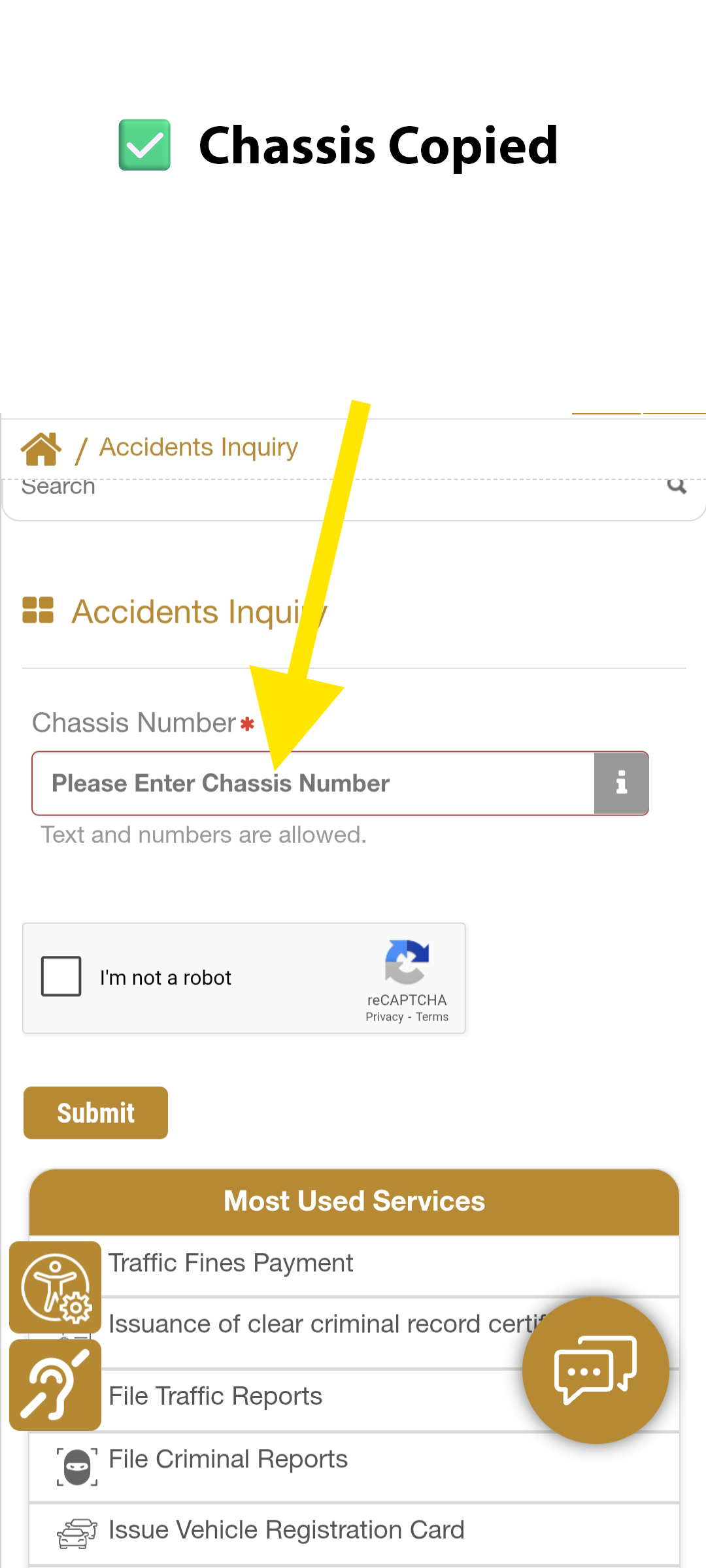
To check the VIN and chassis number, start by locating the number on the car itself. The VIN is usually found on the dashboard, near the windshield, or on the inside of the driver’s door frame. Once you’ve found the VIN, take note of the numbers and verify them with the UAE’s RTA website or through other trusted online services. The RTA provides a free service that allows you to check the vehicle’s status by inputting the VIN. This can give you a detailed report about the car’s past ownership, accident history, and whether it’s been involved in any criminal activity.
In addition to the VIN, make sure to check the chassis number, which provides further information about the car’s frame and mechanical components. Any discrepancies between the VIN and chassis number could indicate tampering or fraud, and it’s important to address these issues before proceeding with the purchase.
Red Flags to Watch Out For
When checking the VIN and chassis number, there are several red flags to look for that could indicate potential problems. If the VIN does not match the records at the RTA or other official sources, it could suggest that the car is stolen or has been involved in illegal activities. Likewise, if the chassis number is missing or altered, this could mean the car has been tampered with, and its true condition may not be clear.
Another warning sign is a car that seems too good to be true, especially in terms of its price. While everyone loves a great deal, if a used car is being sold at an unusually low price, it may be because the car has been involved in an accident or has other hidden issues. Always perform a thorough background check on the car to avoid any unexpected surprises down the road.
The Importance of Vehicle History Reports
In addition to checking the VIN and chassis number, it’s wise to get a comprehensive vehicle history report. These reports often provide additional details such as the number of previous owners, service history, and whether the car has been declared as a total loss in any previous accidents. Many reputable online platforms offer these reports, which can be accessed for a fee. These reports give you a clearer picture of the car’s background, helping you make a more informed decision before purchasing.
How to Sell Your Car Near You
If you’re thinking of selling your car near you, it’s important to ensure that the VIN and chassis number are up-to-date and accurate on your car’s documents. This helps to facilitate the selling process, especially when dealing with online platforms that buy any car. Buyers will often ask for this information to verify the car’s authenticity, so having it readily available can help speed up the transaction. Additionally, making sure your car’s history is clear and accurate can increase its value, as buyers tend to trust cars that have been well-maintained and properly documented.
The Role of a Trusted Used Car Dealer
For those who prefer to work with a trusted used car dealer, verifying the VIN and chassis number is a standard practice. A reputable dealer will always encourage you to check these numbers and will provide you with the necessary paperwork to prove that the car’s history is clear. These dealers often have access to comprehensive databases, making it easier to confirm the car’s authenticity.
When dealing with a dealer, ensure that they offer full transparency regarding the vehicle’s background. It’s also a good idea to have the car inspected by a third-party mechanic to assess its condition and confirm that the information provided by the dealer matches the car’s actual state.
Conclusion
Before purchasing a used car in the UAE, checking the VIN and chassis number is a simple yet crucial step to ensure that you are getting a legitimate, safe, and reliable vehicle. By verifying these numbers through trusted sources like the RTA, you can avoid the risks associated with buying a car that has been involved in accidents, theft, or fraud. Whether you are selling your car or buying one, ensuring that the car’s history is clear and accurate can save you time, money, and stress in the long run. Always do your due diligence before making any decisions, and you’ll be on your way to a smooth and successful car buying experience.
















 English
  Arabic