
 Urgent? WhatsApp a buyer







A Buyer Wants a Test Drive: Check Your Insurance Cover and Set Safe Boundaries First
A Buyer Wants a Test Drive: Check Your Insurance Cover and Set Safe Boundaries First
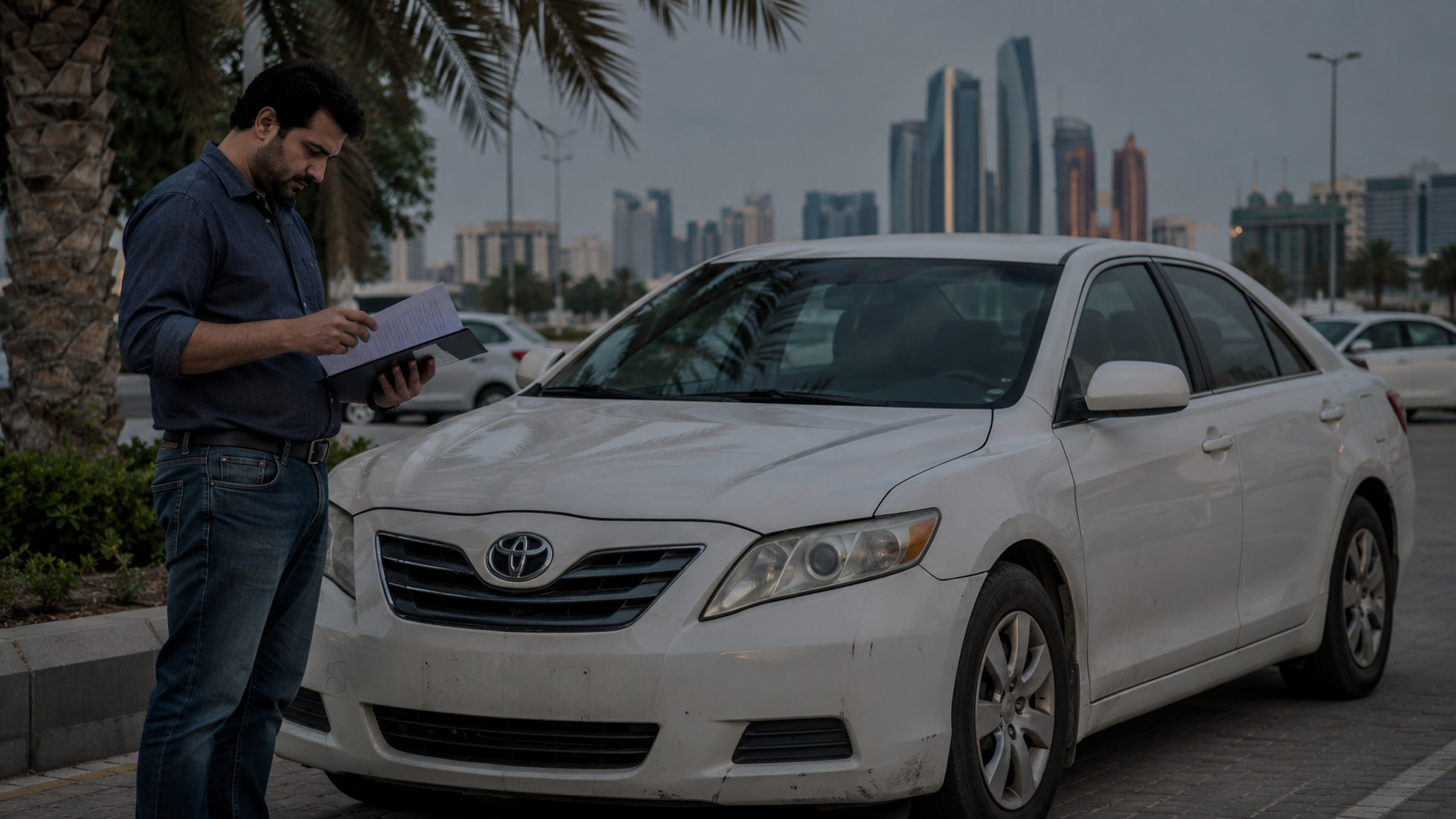
Selling your car privately in Abu Dhabi often involves a test drive. However, you should never hand over your keys without checking your insurance cover first. You must confirm the buyer’s driving licence, understand your policy conditions, and agree on safe driving boundaries. Private car sale test drive insurance UAE requirements deserve careful attention because an accident can create serious financial problems. Therefore, prepare your insurance details and choose a safe route before the buyer arrives.
A test drive helps buyers understand a vehicle’s condition. They can check the brakes, steering, acceleration, and general comfort. However, allowing a stranger to drive your car creates additional risks.
For example, the buyer might cause an accident, damage your vehicle, or ignore traffic rules. Furthermore, your insurance policy might contain conditions that affect the claim.
Therefore, sellers should prepare carefully before arranging a private viewing.
In Abu Dhabi, many people sell cars through online advertisements and direct conversations. However, some sellers focus only on the asking price.
They forget important insurance questions and personal safety arrangements.
Fortunately, a clear test drive plan can reduce unnecessary risks. It can also help serious buyers feel comfortable.
This guide explains how to check insurance coverage, verify driving eligibility, and arrange a controlled test drive. Additionally, it explains how iCarsU.com can help Abu Dhabi sellers explore a simpler selling process.
Why Private Car Sale Test Drive Insurance UAE Matters
A test drive may seem like a normal part of selling a used car. However, the driving arrangements can affect your financial responsibilities.
When you drive your own vehicle, you normally understand your insurance conditions. Nevertheless, another driver may introduce different requirements.
For example, your policy might contain conditions concerning driver age, licence status, or driving experience.
Additionally, different insurers may apply different procedures when someone else drives your vehicle.
Therefore, never assume your policy covers every potential buyer in every situation.
The UAE motor insurance framework recognises drivers who operate an insured vehicle with the policyholder’s permission and appropriate licensing. However, specific policy terms and endorsements still matter.
Furthermore, third-party liability and damage to your own vehicle involve different coverage arrangements.
Consequently, sellers need to understand both before agreeing to a test drive.
A buyer might appear responsible and experienced. Nevertheless, personal confidence does not replace insurance verification.
Always contact your insurer when you feel uncertain.
Understand the Financial Risks Before the Test Drive
An accident can create several expenses.
For example, a collision might damage your car, another vehicle, or nearby property.
Additionally, the accident might involve medical expenses or legal responsibilities.
Your insurer will assess the circumstances under the applicable policy and UAE rules.
However, you might still face an excess, additional costs, or claim complications.
Furthermore, some policies contain specific conditions for certain drivers or vehicle uses.
Therefore, check the insurance position before taking any unnecessary risk.
A short telephone conversation with your insurer can help clarify important conditions.
Most importantly, ask about your exact vehicle and the person who wants to drive it.
Check Your Motor Insurance Policy Before Offering a Test Drive
Before arranging a meeting, find your current motor insurance documents.
You should review your insurance certificate, policy schedule, and relevant conditions.
First, confirm that your policy remains active.
Next, identify the type of coverage you hold.
Then, check any conditions concerning additional drivers.
Also, review your policy excess and possible exclusions.
If anything remains unclear, contact your insurance provider directly.
Check Whether You Have Comprehensive Insurance
Comprehensive motor insurance generally provides broader protection than basic third-party coverage.
For example, it can cover damage to your own vehicle under the policy conditions.
Additionally, it includes third-party liability protection.
However, comprehensive insurance does not mean every driver or situation automatically qualifies for every benefit.
Your insurer may apply particular terms concerning the driver or incident.
Therefore, explain that you plan to let a potential buyer test drive your car.
Ask your insurer to confirm the relevant conditions.
Furthermore, request written clarification when possible.
This approach helps prevent misunderstandings after an accident.
Understand Third-Party Insurance Limitations
Some Abu Dhabi car owners hold third-party motor insurance.
This coverage generally protects against qualifying liabilities involving other people or their property.
However, it does not normally cover accidental damage to your own vehicle.
Consequently, a test drive accident could create a major expense for the seller.
For example, suppose a buyer damages your car during a test drive.
Your third-party policy may not cover repairs to your own vehicle.
Therefore, you should carefully consider the financial exposure before allowing another person to drive.
You can also discuss alternative viewing arrangements with the buyer.
For instance, you could drive the vehicle while the buyer observes its performance.
This method does not replace every benefit of a buyer-led test drive. Nevertheless, it can reduce certain risks.
Important Seller Test Drive Insurance Questions to Ask Your Insurer
Insurance policies can contain technical language. Therefore, prepare clear questions before contacting your provider.
Explain that you are selling your personal vehicle in Abu Dhabi.
Additionally, tell the insurer that a potential buyer wants to drive it.
Then, clarify the following points:
-
Whether your policy covers an eligible prospective buyer who drives with your permission.
-
Whether driver age or driving experience affects any part of the cover.
-
Whether the insurer requires you to declare or add the driver.
-
Whether the driver’s licence type affects coverage.
-
Whether your policy covers damage to your own vehicle during the test drive.
-
Whether the insurer applies an additional excess or other conditions.
-
Which documents and procedures you must follow after an accident.
These seller test drive insurance questions help you identify possible gaps.
However, do not rely on a general answer about other people’s insurance.
Instead, request information about your own policy.
Also, provide the insurer with accurate driver details when necessary.
Ask About Additional Driver Conditions
Some motor insurers have conditions concerning additional drivers.
For example, certain policies may refer to minimum driving experience or driver age.
However, these conditions differ between products and providers.
Therefore, avoid assuming every insurer follows the same rule.
The UAE’s motor insurance framework includes provisions concerning appropriately licensed drivers who have permission to use the insured vehicle.
Nevertheless, policy endorsements and specific coverage terms can affect your position.
Consequently, confirm the exact requirements with your insurer.
Also, keep a record of the insurer’s explanation.
You can note the date, representative’s name, and relevant instructions.
Furthermore, request confirmation by email when available.
Ask About the Insurance Excess
An insurance excess represents the amount you may need to contribute toward a qualifying claim.
For example, your policy might contain a standard excess for certain damage claims.
However, additional conditions could affect the amount.
Therefore, ask whether another driver changes your financial contribution.
Also, check whether your insurer applies special terms for inexperienced drivers.
Do not assume the buyer will automatically pay your excess after an accident.
Instead, discuss financial responsibilities before the test drive.
Nevertheless, remember that a private agreement cannot change your insurer’s policy obligations or legal requirements.
Verify the Buyer’s Driving Licence Before Handing Over the Keys
A buyer’s interest in your vehicle does not automatically qualify them to drive it.
Therefore, check their driving licence before the test drive.
First, ask the buyer to present their original licence or another officially accepted licence record.
Next, confirm that the licence belongs to the person standing in front of you.
Then, review its validity and relevant vehicle category.
Also, check that the driver meets your insurer’s requirements.
If you cannot confirm their driving eligibility, refuse the driving request.
Check the Licence Category
Different vehicle categories require appropriate driving permissions.
Therefore, confirm that the buyer can legally operate your vehicle.
For example, someone who holds a licence for another vehicle category might not qualify.
Additionally, an expired, suspended, or otherwise invalid licence can create serious complications.
The applicable UAE rules and insurance conditions determine the consequences.
Consequently, you should never ignore a licensing concern.
If the buyer presents an unfamiliar licence, seek reliable confirmation before proceeding.
Consider Buyers With Foreign Driving Licences
Abu Dhabi attracts residents and visitors from many countries.
Therefore, some potential buyers may present foreign driving licences.
However, a foreign licence does not automatically grant driving permission in every UAE situation.
Driving eligibility depends on factors such as residency status, licence origin, and applicable recognition rules.
Furthermore, insurance conditions may impose separate requirements.
Therefore, do not guess whether the buyer can legally drive your car.
Ask the relevant authority about licensing requirements when necessary.
Additionally, confirm the insurance position with your provider.
If you cannot establish both, do not permit the test drive.
Respect Personal Information
Driving licence checks involve sensitive personal information.
Therefore, avoid collecting unnecessary details.
You can inspect the licence and confirm the required information without making an unrestricted copy.
If your insurer requires documentation, ask about its secure submission process.
Additionally, explain why you need particular information.
Never publish the buyer’s identification details online.
Similarly, avoid sharing personal documents through unknown websites.
Good privacy practices protect both parties.
Arrange a Safe Test Drive Location in Abu Dhabi
The meeting location affects the safety of the entire process.
Therefore, choose a familiar, public area with suitable parking.
Avoid isolated locations, busy intersections, and narrow roads.
Furthermore, choose a location where you can inspect the car safely.
A shopping centre parking area may offer a convenient meeting point when its rules permit the activity.
However, do not conduct driving tests through crowded parking lanes.
Instead, use the parking area for the initial meeting.
Then, choose a suitable public road for the actual drive.
Choose Suitable Areas Around Abu Dhabi
Sellers may arrange viewings in several Abu Dhabi neighbourhoods.
For example, buyers often search for vehicles around Khalifa City, Al Reem Island, and Mohammed Bin Zayed City.
Additionally, some sellers live near Al Raha Beach, Al Mushrif, or Al Khalidiyah.
However, the neighbourhood alone does not guarantee a suitable test drive.
You must consider traffic levels, road layouts, and legal parking options.
For instance, busy commercial streets can make vehicle inspections difficult.
Similarly, residential roads may contain pedestrians, cyclists, and parked cars.
Therefore, choose a route that allows normal, careful driving.
Avoid routes that encourage speeding or aggressive acceleration.
Select a Suitable Meeting Time
Daylight usually makes vehicle inspections easier.
For example, buyers can examine paintwork, tyres, and exterior damage more clearly.
Additionally, sellers can observe the meeting environment.
Therefore, arrange the viewing during daylight whenever practical.
However, avoid extremely busy traffic periods.
Heavy congestion can make a short test drive stressful.
Furthermore, difficult traffic conditions may prevent the buyer from evaluating the vehicle properly.
Choose a convenient time that supports safe, normal driving.
Also, inform a trusted person about your meeting plans.
Set Safe Test Drive Arrangements Before the Buyer Arrives
Clear boundaries can prevent misunderstandings.
Therefore, explain your test drive conditions before confirming the appointment.
You can send a short message describing the agreed location and route.
Additionally, explain the driving licence and insurance checks.
Make it clear that you will not permit driving until you confirm eligibility.
You should also explain that the test drive will follow normal traffic rules.
Agree on the Test Drive Route
A planned route helps keep the test drive organised.
Therefore, choose a short, familiar route before the meeting.
Include roads that allow the buyer to experience ordinary vehicle behaviour.
For example, a suitable route might include gentle turns, normal braking, and moderate acceleration.
However, avoid unnecessary motorway driving when a shorter route provides enough information.
Also, avoid remote roads and unfamiliar areas.
The buyer should not change the route without your agreement.
Furthermore, explain that the test drive does not include racing, drifting, or aggressive manoeuvres.
If the buyer refuses reasonable limits, cancel the driving arrangement.
Agree on the Test Drive Duration
A private car test drive does not need to become a long journey.
Therefore, set an approximate duration before leaving.
For example, a short drive may allow the buyer to evaluate basic steering, braking, and transmission behaviour.
However, the appropriate duration depends on the vehicle and road conditions.
You should never promise unlimited driving time.
Instead, agree on a practical limit.
Additionally, choose a clear starting and finishing point.
This approach reduces confusion and helps you maintain control of the meeting.
Keep the Test Drive Within Safe Boundaries
Some buyers may request unusual driving conditions.
For example, they might want to test maximum acceleration or drive at high speeds.
However, public roads do not provide a suitable environment for dangerous performance testing.
Therefore, reject requests that create unnecessary risks.
Similarly, do not permit off-road driving simply because the vehicle has four-wheel drive.
Off-road activities can create additional safety and insurance concerns.
Instead, demonstrate the available vehicle features without taking unnecessary risks.
Accompany the Buyer When Appropriate and Safe
Many private sellers prefer to accompany a potential buyer during a test drive.
This arrangement allows the seller to observe the journey and answer questions.
However, your presence does not guarantee safety or insurance coverage.
Therefore, consider the buyer’s behaviour and your personal comfort.
Never enter a vehicle with someone who makes you feel unsafe.
You can choose a different arrangement or refuse the test drive.
Bring a Trusted Person When Practical
A trusted friend or family member may provide additional reassurance during a viewing.
For example, they can help observe the meeting and support communication.
Additionally, they can remain nearby while you inspect documents.
However, avoid crowding the vehicle or distracting the driver.
Every passenger should use an appropriate seat belt.
Furthermore, you should follow the vehicle’s seating limits.
If the situation feels uncomfortable, end the appointment.
Never Allow an Unaccompanied Drive Without Proper Arrangements
A buyer might ask to take the vehicle alone.
However, this request creates additional concerns.
You may lose direct control over the vehicle and its whereabouts.
Furthermore, the buyer might travel beyond your agreed route.
Therefore, you should not agree to an unaccompanied drive casually.
First, verify the person’s identity, driving eligibility, and insurance position.
Then, consider the security implications.
Nevertheless, you can simply refuse the request.
You do not need to provide an unaccompanied test drive to complete a private sale.
Prepare Your Car Before the Test Drive
Insurance checks matter, but vehicle condition also affects safety.
Therefore, inspect your car before arranging a demonstration.
Start with the tyres.
Check their visible condition and appropriate pressure.
Next, confirm that the brakes operate normally.
Also, check the exterior lights, indicators, and mirrors.
Then, examine the dashboard for warning messages.
If you notice a serious mechanical problem, postpone the test drive.
Do not allow a potential buyer to operate a vehicle with a known dangerous fault.
Check the Tyres and Brakes
Abu Dhabi’s hot conditions can place additional demands on tyres.
Therefore, examine tyre condition regularly.
Look for visible damage, unusual wear, and pressure problems.
Additionally, check whether the brakes produce unusual sounds or behaviour.
If you suspect a problem, arrange a professional inspection.
A buyer should not discover a known safety issue during the drive.
Instead, explain the vehicle’s condition before the test.
Check the Dashboard Warning Lights
Modern cars use dashboard warnings to communicate potential problems.
For example, an engine warning may indicate a fault that requires diagnosis.
Similarly, brake or stability system warnings may deserve immediate attention.
Therefore, investigate important warnings before allowing someone to drive.
Do not hide warning lights or clear fault codes merely to make the vehicle appear problem-free.
Instead, provide accurate information.
Honest communication helps buyers make informed decisions.
Remove Personal Items
Before the appointment, remove valuables from your vehicle.
For example, take out cash, personal documents, spare keys, and expensive accessories.
Also, remove unnecessary items from the glove compartment.
Additionally, check connected navigation and entertainment systems for personal information.
Your vehicle might contain saved addresses, contact details, or phone connections.
Therefore, protect your privacy before meeting strangers.
However, keep the documents that you need for lawful vehicle operation and insurance checks available.
Watch for Warning Signs During a Private Car Sale
Most genuine buyers want a straightforward inspection.
However, sellers should remain alert to unusual behaviour.
For example, a buyer might refuse to show a driving licence.
Alternatively, they may insist on driving alone without discussing insurance.
Some buyers may pressure sellers to make immediate decisions.
Therefore, trust clear procedures rather than verbal promises.
Avoid Buyers Who Refuse Insurance Checks
A genuine buyer should understand reasonable insurance concerns.
However, some people may dismiss these checks.
For example, they might claim that every driver automatically has full coverage.
Nevertheless, insurance coverage depends on the relevant policy and circumstances.
Therefore, explain that you need confirmation.
If the buyer refuses to cooperate, do not hand over the keys.
Do Not Accept Pressure to Drive Immediately
Some buyers may arrive without an appointment.
They might request a test drive before discussing documents.
However, you should follow the same safety process every time.
First, verify their eligibility.
Next, confirm the insurance position.
Then, agree on a safe route.
If you cannot complete these checks, arrange another appointment.
A serious buyer can wait until you establish suitable conditions.
Be Careful With Unknown Third Parties
Sometimes, a person contacts the seller and then sends another person to inspect the vehicle.
This situation does not automatically indicate a problem.
However, it requires additional care.
Therefore, confirm the identity of the person attending.
Also, establish who intends to drive the car.
If the actual driver differs from the original buyer, review the insurance requirements again.
Never assume that one person’s eligibility automatically covers another person.
Understand Accident Responsibilities During a Test Drive
Even careful drivers can experience accidents.
Therefore, you should understand the correct reporting process before the appointment.
If a collision occurs, prioritise everyone’s safety.
Move away from immediate danger when possible.
Then, contact the appropriate emergency services if anyone suffers an injury or the situation presents serious danger.
For other accidents, follow the relevant Abu Dhabi Police reporting procedures.
Next, inform your insurance provider as required.
Do not agree to hide an accident or give false information.
Follow the Correct Accident Reporting Process
Abu Dhabi authorities provide official channels for reporting traffic incidents.
Therefore, use the current official procedure for the circumstances.
Record the necessary accident information.
Also, follow police instructions concerning the vehicle and incident location.
If the accident involves injuries, contact emergency services immediately.
Furthermore, avoid moving injured people unnecessarily unless an immediate danger requires action.
Afterward, contact your insurer.
Provide accurate details about the driver and what happened.
Understand the Difference Between Driver Responsibility and Insurance Coverage
A driver may cause an accident through careless behaviour.
However, fault, insurance coverage, and financial responsibility involve different considerations.
Therefore, avoid assuming that the driver automatically pays every expense.
The law, policy conditions, accident circumstances, and any valid agreement may affect the outcome.
For example, an insurer might assess whether a claim qualifies under the relevant cover.
Additionally, the insurer may apply an excess or other policy conditions.
Consequently, discuss these possibilities before the test drive.
If a dispute develops, seek appropriate professional advice.
Do Not Rely Only on Verbal Promises
A buyer might promise to pay for any damage.
However, collecting money after an accident can become difficult.
Therefore, written arrangements can help clarify expectations.
For example, you can record the agreed route, driving conditions, and intended responsibilities.
Nevertheless, a private agreement does not replace valid motor insurance.
It also cannot remove legal obligations.
Consequently, insurance confirmation must remain your first priority.
Keep Control of Your Keys and Vehicle Documents
During a private sale, your car keys and documents require careful handling.
Therefore, keep your main documents secure during the viewing.
You can show the buyer appropriate vehicle information without handing over everything.
For example, you may need to confirm registration details or provide maintenance information.
However, avoid giving the buyer your original ownership documents unnecessarily.
Protect Your Spare Key
Never leave your spare key inside the vehicle during a viewing.
Instead, keep it in a secure location.
Also, avoid leaving valuables attached to your keyring.
For example, your house keys and identifying information should remain separate.
This simple precaution can reduce avoidable security risks.
Protect Vehicle Registration Information
A potential buyer may want to confirm the vehicle’s identity.
Therefore, provide appropriate information for verification.
However, avoid sending unrestricted copies of sensitive documents to strangers.
You can share relevant details through suitable channels.
Additionally, remove unnecessary personal information from documents that you share online.
For final ownership transfer, follow the official Abu Dhabi procedures.
Manage Test Drive Requests for Different Vehicle Types
Not every vehicle requires the same test drive approach.
Therefore, consider the car’s size, performance, and condition.
For example, a compact sedan may feel familiar to many drivers.
However, a large SUV might require more careful manoeuvring.
Similarly, a powerful sports car can present additional risks.
Consequently, adjust your arrangements without ignoring basic insurance requirements.
Test Drives for Family Sedans
Popular family sedans include models such as the Toyota Camry, Nissan Altima, and Honda Accord.
Buyers may want to check ride comfort, transmission behaviour, and braking.
Therefore, choose an ordinary route that allows normal driving.
Additionally, demonstrate the air conditioning and steering functions.
Avoid aggressive acceleration.
Instead, allow the buyer to assess the car under realistic conditions.
Test Drives for SUVs
Abu Dhabi buyers often consider SUVs such as the Nissan Patrol, Toyota Land Cruiser, and Mitsubishi Pajero.
These vehicles can differ significantly in size and driving characteristics.
Therefore, allow enough space for safe manoeuvring.
Also, explain any unusual controls before starting.
However, do not permit dangerous off-road tests.
If the buyer wants a detailed four-wheel-drive inspection, discuss a professional assessment.
That approach can provide useful information without unnecessary driving risks.
Test Drives for Luxury and Performance Cars
Luxury vehicles may involve expensive repairs.
Furthermore, performance models can attract buyers who want to test acceleration.
However, you should never permit dangerous driving.
Instead, establish clear limits.
Also, confirm whether your insurance policy contains any relevant vehicle-specific conditions.
If necessary, arrange an inspection through a suitable professional facility.
A controlled process protects the vehicle and everyone involved.
Consider a Professional Vehicle Inspection Instead of an Uncertain Test Drive
Sometimes, a buyer wants more information than a short drive can provide.
For example, they might worry about the engine, gearbox, suspension, or accident history.
However, a test drive cannot reveal every mechanical problem.
Therefore, a professional inspection may provide additional reassurance.
A qualified technician can examine important vehicle systems.
Additionally, diagnostic equipment may identify certain electronic faults.
Nevertheless, a professional inspection does not guarantee that the car has no hidden defects.
It also does not automatically replace a test drive.
Agree on the Inspection Location
Before arranging an inspection, agree on a suitable facility.
Prefer an established workshop or inspection provider.
Additionally, discuss transport arrangements and any driving requirements.
Do not allow an unknown person to take your vehicle to an unfamiliar location without suitable safeguards.
Instead, confirm the appointment directly.
Also, clarify who will pay the inspection fee.
These arrangements can reduce misunderstandings.
Share Maintenance Records
Service records can help buyers understand a car’s history.
Therefore, collect relevant invoices and maintenance information.
For example, records may show oil changes, brake repairs, or transmission servicing.
However, do not describe repairs that the documents cannot support.
Instead, explain what each record actually confirms.
Additionally, remove personal information before sharing copies.
Clear maintenance evidence can support a more informed sale.
How Safe Test Drive Arrangements Help Serious Buyers
Reasonable boundaries do not need to discourage genuine buyers.
In fact, a clear process can make the viewing more professional.
For example, an organised seller can provide accurate information about the vehicle.
Additionally, they can explain the insurance requirements before the meeting.
This preparation saves time for both parties.
It also helps buyers understand the seller’s expectations.
Explain Your Conditions Politely
Some buyers may not expect insurance checks during a private sale.
Therefore, explain your requirements clearly.
You can tell the buyer that you need to confirm their licence and insurance eligibility.
Also, explain that you prefer a short, agreed route.
Avoid making the process unnecessarily complicated.
Instead, focus on relevant safety conditions.
A reasonable buyer should understand why you want to protect your vehicle.
Keep the Viewing Professional
Prepare the vehicle before the appointment.
Also, gather the maintenance information you plan to share.
Then, explain the car’s known condition.
Allow the buyer to inspect visible features.
However, avoid making unsupported claims about mechanical condition or accident history.
If you do not know something, say so.
Honest answers can support a more productive discussion.
Avoid Common Private Car Sale Test Drive Mistakes
Sellers sometimes create unnecessary risks through small decisions.
For example, they may hand over the keys before checking the licence.
Alternatively, they might assume comprehensive insurance covers every driver.
Some sellers also allow an unfamiliar buyer to choose any route.
However, these choices can lead to serious problems.
Therefore, avoid these common mistakes:
-
Allowing a test drive without checking the driver’s legal eligibility.
-
Assuming comprehensive insurance provides unrestricted coverage.
-
Ignoring insurer conditions concerning additional drivers.
-
Meeting strangers in isolated locations.
-
Allowing aggressive driving or unplanned routes.
-
Leaving personal valuables inside the vehicle.
-
Handing over unnecessary original documents.
-
Permitting unknown drivers to take the vehicle alone.
-
Ignoring warning lights or known safety problems.
-
Relying only on verbal promises about accident costs.
Each mistake creates a different risk.
However, simple preparation can help you avoid many of them.
Prepare for the Test Drive Before Advertising Your Car
You do not need to wait until someone requests a test drive.
Instead, prepare your insurance information before publishing your car advertisement.
First, check the policy expiry date.
Next, contact the insurer about prospective buyers.
Then, identify any additional driver conditions.
Afterward, choose suitable viewing locations.
Also, prepare your vehicle records.
This early preparation can make future appointments easier.
Make Your Advertisement Clear
A good vehicle advertisement provides accurate details.
Therefore, include the make, model, year, mileage, and general condition.
Also, describe important repairs or known faults.
Additionally, use clear photographs.
However, avoid unnecessary promises about test drives.
You can state that driving arrangements depend on licence verification and insurance eligibility.
This message establishes expectations before buyers contact you.
Keep Insurance Active During the Selling Process
You might receive several enquiries before finding a buyer.
Therefore, maintain appropriate insurance while you continue using or offering the vehicle for road tests.
Do not cancel your policy simply because someone expresses interest.
A buyer might change their decision.
Additionally, the ownership transfer may take longer than expected.
Consequently, coordinate insurance changes with the actual sale and transfer process.
Ask your insurer about cancellation, refunds, and coverage timing.
Selling Your Car in Abu Dhabi Without Managing Multiple Private Test Drives
A private sale can involve several appointments.
For example, one buyer might inspect the vehicle but reject the price.
Another may request a longer test drive.
Meanwhile, someone else might ask for additional photographs and maintenance records.
Consequently, the process can take considerable time.
Additionally, every buyer-led test drive requires attention to insurance and safety.
Therefore, some sellers prefer to explore a professional car-buying service.
How iCarsU.com Can Help Abu Dhabi Car Sellers
iCarsU.com helps car owners in Abu Dhabi explore a direct car-selling option.
Instead of managing numerous private buyer enquiries, you can contact the team about your vehicle.
First, share your car’s basic details.
For example, provide the make, model, year, mileage, and general condition.
Next, discuss the vehicle assessment process.
The team can explain the available inspection and offer arrangements.
Additionally, you can clarify collection and ownership transfer procedures before proceeding.
This approach can reduce the need to organise separate viewings with multiple private buyers.
However, you should still confirm the arrangements for any inspection or driving activity.
Understand the Vehicle Offer Before Agreeing
Before accepting any offer, review its conditions.
For example, clarify whether the offer depends on a physical inspection.
Also, discuss any known mechanical problems or accident history.
Then, confirm the proposed payment method.
Additionally, understand the ownership transfer procedure.
Do not release your vehicle simply because someone promises payment.
Instead, verify the agreed payment through an appropriate channel.
Furthermore, complete the official transfer process.
These precautions matter whether you sell privately or through a car-buying company.
Review Safe Test Drive Arrangements Before the Final Sale
A successful test drive does not complete the vehicle sale.
The buyer may still want to negotiate.
Additionally, they may request an independent inspection.
Therefore, keep the viewing and final transaction separate.
Do not hand over ownership documents simply because the buyer likes the car.
Instead, agree on the sale conditions first.
Confirm the Final Selling Price
After the inspection, the buyer may make an offer.
Therefore, review the proposed amount carefully.
You can explain your asking price using the car’s condition, mileage, and maintenance history.
However, avoid pressure to accept an immediate offer.
If the buyer requests a discount, consider the reasons.
Then, decide whether the amount meets your expectations.
Verify Payment Before Handover
Payment security matters as much as test drive safety.
Therefore, confirm the agreed payment method before transferring the vehicle.
Be careful with payment screenshots.
A screenshot alone does not prove that money has reached your account.
Instead, verify the actual transaction through your bank or another trusted payment channel.
Additionally, avoid sharing banking passwords or one-time verification codes.
Never follow suspicious links from someone who claims to represent a payment service.
Complete the Official Ownership Transfer
Abu Dhabi sellers should follow the applicable vehicle transfer procedures.
For example, the transaction may require valid identification, vehicle details, and other supporting documents.
The requirements can depend on the vehicle and transaction circumstances.
Therefore, check the current official instructions before proceeding.
Also, confirm how the buyer will arrange their own insurance.
Do not assume your existing policy automatically continues for the new owner.
After the transfer, contact your insurer about the next steps.
Keep Insurance and Safety Decisions Separate From Price Negotiations
A buyer may offer your full asking price.
However, that offer does not remove insurance requirements.
Similarly, a potential buyer may promise immediate payment.
Nevertheless, you should still verify their driving eligibility.
A high offer does not justify unsafe driving arrangements.
Therefore, make insurance and safety decisions independently.
You can negotiate the price after completing the necessary checks.
Never Exchange Safety for a Better Offer
Some buyers may request unusual privileges during negotiations.
For example, they might offer extra money for an unrestricted test drive.
However, additional money cannot remove traffic laws or insurance conditions.
Therefore, maintain your original boundaries.
If the buyer refuses them, you can end the discussion.
You should never feel obliged to accept an unsafe arrangement.
Give Yourself Time to Decide
Selling a car involves several decisions.
Therefore, avoid making every decision during the first meeting.
You may need additional information from your insurer.
Alternatively, you might want to compare offers.
Take the time you need.
A well-organised process can prevent expensive mistakes.
Create a Consistent Test Drive Process for Every Buyer
If several people contact you, use the same basic process each time.
This approach makes your decisions more consistent.
First, discuss the vehicle and the buyer’s interest.
Next, explain your test drive requirements.
Then, confirm the buyer’s licence and insurance eligibility.
Afterward, arrange a suitable meeting location.
Finally, follow the agreed route and driving conditions.
However, cancel the test drive if you notice a serious concern.
Record Important Arrangements
A simple written message can document the basic plan.
For example, record the appointment time, meeting location, and expected route.
Also, confirm that the driver must follow traffic laws.
If your insurer provides specific instructions, include the relevant conditions.
However, avoid storing more personal information than necessary.
Additionally, protect any records that contain sensitive details.
Clear communication helps both parties understand the arrangement.
Review Each New Driver Separately
One buyer may meet all the insurance conditions.
However, that does not mean another buyer will also qualify.
For example, the second person may have different driving experience.
Alternatively, they may hold a different type of licence.
Therefore, check every potential driver individually.
Do not transfer your previous approval to someone else.
This rule becomes especially important when buyers attend with friends or relatives.
Why Abu Dhabi Sellers Should Prioritise Safety Over Speed
Many car owners want to sell their vehicles quickly.
However, rushing a private test drive can create unnecessary problems.
For example, a seller might skip insurance verification to avoid losing a buyer.
Nevertheless, an accident could cost far more than the time required for proper checks.
Therefore, treat preparation as an important part of selling.
Protect Your Financial Position
Your car may represent a significant financial asset.
Therefore, protect it through appropriate insurance and careful arrangements.
Check whether your policy covers the proposed driver and intended activity.
Additionally, understand your own-damage coverage and excess.
If the insurer cannot confirm the necessary cover, do not proceed with a buyer-led drive.
Instead, consider a seller-driven demonstration or another suitable arrangement.
Protect Everyone on the Road
Test drive safety involves more than the seller and buyer.
Other drivers, pedestrians, and cyclists also share the roads.
Therefore, insist on normal, lawful driving.
Avoid sudden manoeuvres and unnecessary speed.
Additionally, choose suitable roads and weather conditions.
If poor visibility or dangerous conditions affect the route, postpone the appointment.
Everyone’s safety matters more than completing a sale immediately.
Protect Your Time
Private vehicle sales can require repeated conversations.
Therefore, establish clear rules before scheduling appointments.
This preparation may help you identify buyers who accept reasonable conditions.
Additionally, accurate vehicle details can reduce unnecessary visits.
For sellers who prefer fewer private appointments, iCarsU.com offers another option to explore.
You can discuss the vehicle and the available selling process before making a decision.
Final Steps Before You Allow a Buyer to Drive Your Car
A private vehicle sale should never begin with an unplanned handover of keys.
Instead, prepare a clear process.
First, check your insurance policy and confirm the relevant driver conditions.
Next, verify the buyer’s legal driving eligibility.
Then, inspect your vehicle and remove personal valuables.
Afterward, agree on a public meeting location and a safe route.
Also, set reasonable driving limits.
If anything feels uncertain, stop the arrangement until you have enough information.
Remember that private car sale test drive insurance UAE considerations involve both insurance protection and legal driving requirements.
Furthermore, good communication can help serious buyers understand your conditions.
If the private selling process becomes inconvenient, consider discussing your vehicle with iCarsU.com.
The team can explain the available car assessment and buying process for Abu Dhabi sellers.
Ultimately, a successful car sale should protect your vehicle, your finances, and your personal safety.
Check your insurance first, set clear boundaries, and never let pressure from a potential buyer override safe driving decisions.
Can I add a potential buyer to my car insurance temporarily for a private test drive in Abu Dhabi?
Some UAE insurance companies may offer temporary driver arrangements or policy changes. However, availability depends on your insurer and policy. Therefore, contact your insurance provider before arranging the test drive. Ask whether they can extend coverage to the potential buyer and whether additional charges apply. Also, request written confirmation of the coverage conditions. This step can help you manage private car sale test drive insurance UAE concerns.
Does my car insurance cover a test drive if the buyer has a UAE driving licence from Dubai instead of Abu Dhabi?
A valid Dubai-issued UAE driving licence generally allows someone to drive an appropriate vehicle category in Abu Dhabi. However, insurance coverage depends on your policy conditions and the driver’s eligibility. Therefore, confirm the buyer’s licence validity and check with your insurer before allowing the test drive. The emirate that issued the licence does not automatically determine insurance coverage.
Can a potential buyer use their own car insurance to cover a private car sale test drive in Abu Dhabi?
A buyer’s existing motor insurance does not automatically cover another person’s vehicle. Some policies may offer specific extensions, but sellers should never assume such protection exists. Therefore, ask the buyer to obtain written confirmation from their insurer. Additionally, contact your own insurance company to understand how the policies might apply. Clear seller test drive insurance checks can help prevent disputes after an accident.
Can I arrange a test drive for my car in Abu Dhabi if the vehicle has an outstanding bank loan?
An outstanding car loan does not automatically prevent a test drive. However, you must maintain valid registration, appropriate insurance, and safe driving conditions. Additionally, review any relevant finance agreement restrictions. Before allowing the buyer to drive, confirm insurance eligibility and agree on safe test drive arrangements. If the buyer decides to purchase the vehicle, contact your bank to understand the loan settlement and ownership transfer requirements.
Will a test drive accident affect my car insurance renewal price in Abu Dhabi even if the buyer caused the accident?
A test drive accident could affect your future insurance premium, depending on the claim history, fault assessment, insurer, and policy conditions. For example, an insurer may consider previous claims when calculating renewal prices. However, the effect is not automatic or identical across insurance companies. Therefore, ask your provider how a claim involving an authorised test driver could affect your renewal. Proper test drive insurance checks and safe driving arrangements can help you understand these risks before selling your car.
Add a comment Cancel reply
Categories
- Abu Dhabi (2)
- Accident History (2)
- Accidents (4)
- Car News (1)
- Car Registration (1)
- GCC Specs (4)
- Imported (4)
- Sell a car (1)
- Specs (2)
- Uncategorized (20,940)
- Used Car Buyer (105)
Recent Posts
Related posts

Selling an Audi Q5 in Abu Dhabi: Identify the Engine and Drivetrain Using Original Vehicle Data
iCarsU.com
November 12, 2026
Car Payment Comes From Someone Other Than the Buyer: Resolve the Mismatch Before Handover
iCarsU.com
November 12, 2026
Sell a Toyota Camry Used for Commercial Work: Disclose Its Previous Use Clearly
iCarsU.com
November 11, 2026
We work by appointments only. Please call or text to arrange an appointment first
Service Areas: Abu Dhabi (Head Office), Dubai, Sharjah, Ajman, Ras Al Khaimah, Fujairah, Umm Al Quwain.

 English
 Arabic