









iCarsU.com
Beta
Accident History Check
Step 1
Add a photo for the chassis
Take a photo or upload one
- Registration Card
- Windshield Plate
- Chassis Plate
or
Step 2
Getting chassis Number
Chassis Number
Image is blurry. Please go back and upload another image.
---------------
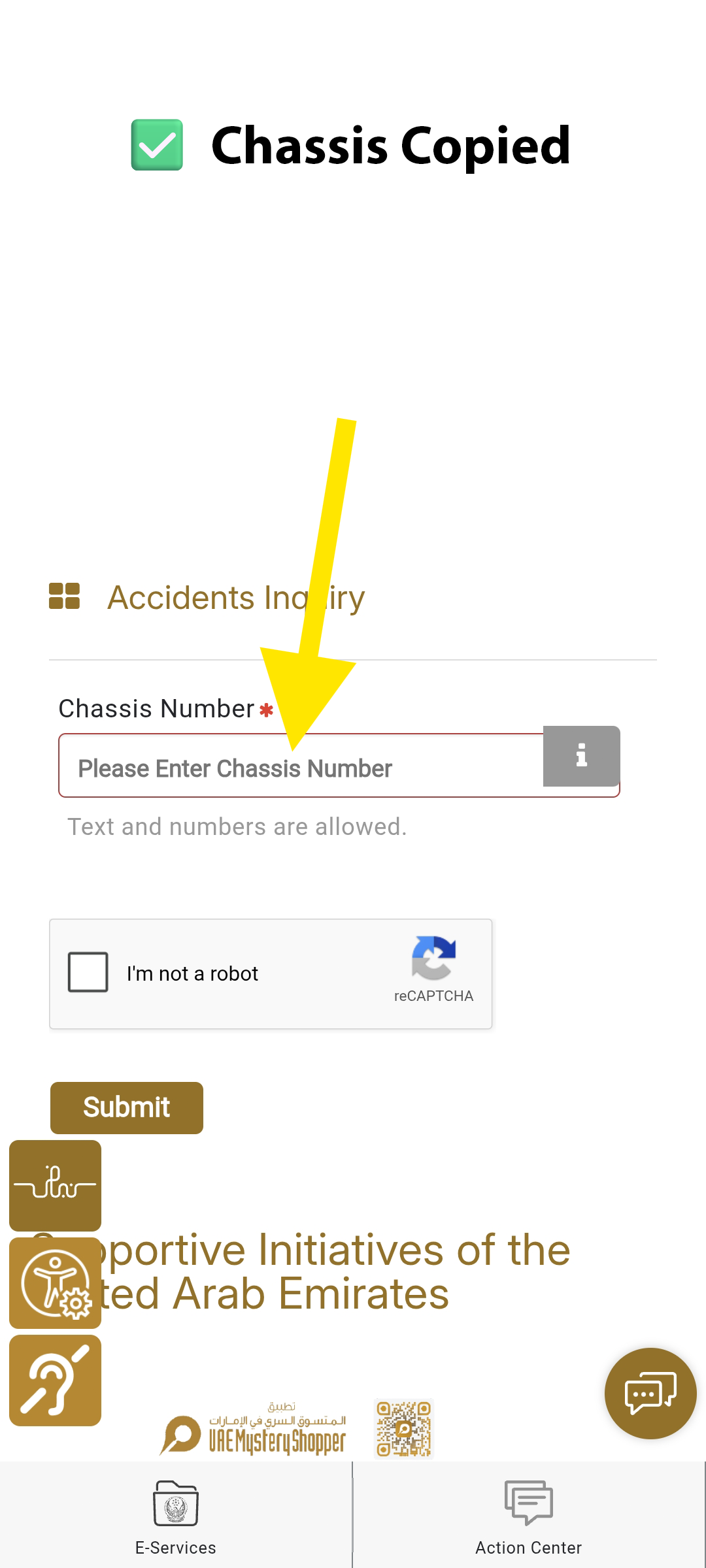
Add quick access
to your home screen
- Open this page in Safari
- Tap the button
- Select Add to Home Screen
- Tap Add
- Open this page in Chrome
- Tap the ⋮ menu
- Select Add to Home screen
- Confirm by tapping Add

Trusted Used Car Buyers in Abu Dhabi: Your Complete Guide to Selling Your Vehicle
# Trusted Used Car Buyers in Abu Dhabi: Your Complete Guide to Selling Your Vehicle
If you own a used car in Abu Dhabi and want to sell it quickly, you need to find trustworthy buyers who offer fair prices and handle the entire process smoothly. Finding reliable used car buyers near you can feel overwhelming, especially when you’re juggling multiple showrooms, private deals, and online platforms. The good news is that several legitimate options exist in Abu Dhabi, and this guide will help you understand each one so you can make the best decision for your situation.
## Why Choose Trusted Used Car Buyers in Abu Dhabi?
Selling your car privately comes with real risks. You might meet unsafe people, deal with payment fraud, or spend weeks showing your vehicle to tire-kickers who never buy anything. Meanwhile, professional used car buyers have established reputations, secure payment methods, and streamlined processes that protect you.
Trusted used car buyers operate transparently. They explain their pricing methodology upfront, check your vehicle’s condition honestly, and handle all paperwork correctly. Most importantly, they protect your money. You won’t wait weeks for a cheque that bounces or worry about scams. These buyers move fast, offer competitive prices based on market rates, and complete transactions within days rather than months.
Abu Dhabi residents benefit especially from local expertise. Professional buyers understand the specific market conditions in Abu Dhabi, UAE regulations, and RTA requirements. They know which cars hold value better, what mileage affects pricing, and which models have higher demand. This local knowledge directly translates to better offers for you.
## Understanding the Current Used Car Market in Abu Dhabi
The used car market in Abu Dhabi operates differently than other emirates. Demand remains consistently high because many expatriates arrive regularly and need vehicles. However, prices fluctuate based on fuel costs, import duties, and seasonal buying patterns. During summer months, fewer people buy cars. From September through December, buying activity increases significantly.
Your car’s value depends on several key factors. The make and model matter tremendously—luxury brands retain value differently than economy cars. Age matters too, but condition often outweighs mileage when determining worth. A well-maintained car with high mileage frequently costs more than a neglected car with low mileage. Your vehicle’s service history, accident record, and whether it has passed RTA inspections all influence what trusted buyers will offer.
Additionally, GCC spec vehicles command premium prices. Buyers prefer cars that were never imported because GCC vehicles come with factory warranties recognition and full documentation. If your car is GCC-spec, you have leverage for better pricing. Understanding these market dynamics helps you recognize when a buyer’s offer is fair or when you should shop around.
## Types of Trusted Used Car Buyers Near You
**Professional Automotive Dealerships**
Established dealerships that buy used cars operate as legitimate businesses with showrooms, service centers, and staff. These buyers maintain inventory, handle financing arrangements, and often provide warranties. They follow strict RTA guidelines and maintain proper licensing. However, dealership offers typically run 5-15% lower than private sales because they need profit margin for operations, storage, and potential repairs.
**Specialized Buy-Any-Car Services**
These companies focus exclusively on purchasing used vehicles. They operate across multiple emirates, maintain streamlined processes, and often promise same-day offers. The appeal is convenience—you contact them, they inspect your car, and they provide a quote quickly. Their standardized approach means less negotiation but more predictability. Reputable companies in this category have been operating for years and maintain positive customer reviews.
**Independent Certified Buyers**
Several independent operators in Abu Dhabi have built strong reputations for fair dealing. These aren’t massive companies but established professionals who work within RTA regulations. They typically specialize in particular car types—luxury vehicles, Japanese imports, or mainstream sedans. Their personal reputation drives their business, so they work hard to maintain trust and fair pricing.
**Online Trading Platforms**
Digital marketplaces connect buyers and sellers directly. These platforms handle listing, photo uploads, and buyer communication. However, they don’t guarantee buyer legitimacy or transaction safety. You must exercise caution, verify buyer credentials, and follow safety protocols when meeting strangers.
## What Makes a Used Car Buyer Trustworthy?
Legitimate buyers exhibit clear characteristics that separate them from scammers or dishonest operators. First, they maintain professional facilities. Real buyers have office addresses you can verify, business licenses you can check with RTA, and documented histories you can research online. If a buyer operates entirely from a mobile phone and wants to meet in parking lots, that’s a warning sign.
Second, trusted buyers are transparent about their processes. They explain exactly how they calculate offers. They show you inspection reports if they conduct detailed checks. They answer your questions directly without dodging or getting defensive. They provide written documentation of agreements, not just verbal promises.
Third, they offer payment security. Professional buyers issue bank transfers, cashier’s cheques, or in-person bank transfers. They never ask for your car keys before securing full payment. They never request partial payment upfront with promises of remainder later. They complete full transactions in single meetings whenever possible.
Fourth, trustworthy buyers respect your timeline. They don’t pressure you into instant decisions. They explain that you should shop around and compare offers. They keep their promises about follow-up communication and maintain professional conduct throughout the process.
Finally, reputable buyers have verifiable track records. You can find customer testimonials, Google reviews, and word-of-mouth recommendations. They’re listed with proper business registrations. They’ve maintained consistent operations for several years. They can reference satisfied customers from the past year.
## How to Sell Your Car to Trusted Buyers: Step-by-Step Process
**Step 1: Prepare Your Vehicle Documentation**
Gather all paperwork before contacting buyers. You need your vehicle registration card, proof of ownership, valid Emirates ID, and proof of address. Collect service records if you have them—these strengthen your negotiating position. Prepare your vehicle’s chassis number, engine number, and complete ownership transfer documents. Having everything organized shows potential buyers you’re serious and efficient, which can improve their offer.
**Step 2: Get Your Car Inspected**
Before approaching buyers, consider getting a professional RTA vehicle inspection. This provides objective documentation of your car’s condition and history. Importantly, it reveals any accident history or outstanding recalls. Buyers appreciate this transparency because it eliminates doubt about hidden problems. Additionally, the inspection certificate itself holds value—it proves your car meets UAE standards.
**Step 3: Research Multiple Trusted Buyers**
Contact at least three different buyers to compare offers. This reveals what your car truly costs in the current market. Call during business hours, provide accurate information about your vehicle, and listen to their questions. How they ask questions reveals a lot—professional buyers ask systematically about mileage, service history, accident history, and recent repairs. Careless buyers skip important details.
**Step 4: Arrange Inspections**
Invite buyers to inspect your vehicle at your preferred location. Reputable buyers will come to your home or workplace—they’re not afraid to be visible. They’ll spend adequate time checking the car thoroughly. They’ll bring inspection equipment, look under the hood, check lights and wipers, and test drive if needed. They’ll ask to see your keys and documentation during the inspection.
**Step 5: Evaluate Their Offers**
Compare offers side-by-side. Don’t automatically accept the highest amount—evaluate the entire package. How fast do they pay? What paperwork do they handle? Do they cover transfer fees? Some buyers offer lower prices but handle everything, saving you time and effort. Others offer higher prices but leave you responsible for certain paperwork. Calculate the true value of each offer, not just the quoted amount.
**Step 6: Finalize the Transaction**
Once you accept an offer, review the purchase agreement carefully. Ensure it lists your car’s condition accurately, the agreed price clearly, and the payment method explicitly. Confirm the buyer handles all RTA transfer paperwork or clarify your responsibilities. Arrange a time for the final inspection and payment. Complete the transaction at a bank if you prefer enhanced security—many banks allow you to verify cheques or arrange transfers in their secure environment.
## Key Factors That Affect Your Car’s Value
**Vehicle Condition and Mileage**
Condition matters more than mileage surprises many sellers. A car with 150,000 kilometers that receives regular servicing is worth more than one with 80,000 kilometers that looks neglected. Professional buyers focus on mechanical condition—engine performance, transmission smoothness, and brake responsiveness. Interior condition also matters; excessive wear on seats or steering wheels reduces value. Exterior rust, dents, or paint problems affect pricing too.
**Service History**
Complete service records increase your car’s value significantly. Buyers trust cars with documented regular maintenance. If you have receipts from authorized service centers, gather them. Showing that you changed oil every 10,000 kilometers, replaced filters on schedule, and addressed issues promptly proves you maintained your car properly. Buyers will pay premiums for well-documented service histories because they know the engine likely has longer remaining life.
**Accident History**
This factor heavily influences pricing. Cars with no accident history command prices 15-25% higher than vehicles with repair history. Buyers use RTA databases to check accident records, so honesty matters. If your car has been in an accident but repaired properly by authorized shops with genuine parts, disclose this upfront. Attempting to hide accident history only triggers deeper inspections and lower offers.
**Registration and Legal Status**
Your car must have valid registration and no outstanding violations. Check with RTA before selling—confirm your vehicle is registered properly and no fines remain outstanding. Some buyers won’t purchase cars with legal issues, and those who do offer substantially lower prices. Taking an hour to verify your registration status can protect thousands of dirhams in potential value.
**Brand and Model Popularity**
Japanese and Korean brands typically maintain value better than others. Toyota, Honda, Nissan, and Hyundai models are easier to resell because they have established demand. Luxury vehicles depreciate faster unless they’re premium brands like Mercedes or BMW with maintained condition. Understanding your specific vehicle’s market demand helps you know whether to push for higher prices or prioritize speed of sale.
## Common Mistakes to Avoid When Selling
**Overpricing Your Vehicle**
Many sellers price cars 10-15% above market value, expecting negotiation. However, this strategy backfires with professional buyers. They research market prices meticulously and won’t negotiate significantly from their initial offers. Instead, price competitively from the start, and you’ll receive genuine inquiries quickly. Check multiple listings for similar vehicles to establish realistic pricing.
**Hiding Problems from Buyers**
Attempting to conceal mechanical issues, accident history, or service records always causes problems. Professional buyers discover hidden issues during inspections, which justifies lower offers or deal cancellation. Transparency actually improves your outcomes because buyers respect honesty and adjust their offers fairly rather than applying pessimistic assumptions.
**Accepting the First Offer Without Comparison**
Whether you’re desperate or impatient, accepting the first offer costs you money. Different buyers value cars differently based on their inventory needs and profit models. Getting three offers takes minimal effort but typically reveals price differences of 2,000-5,000 AED or more. Investing a few hours in comparison shopping directly increases your cash.
**Failing to Prepare Documentation**
Showing up to sell your car without proper paperwork wastes everyone’s time and reduces buyer confidence. Missing documents delay transactions, require additional visits, and frustrate professional buyers. Prepare everything in advance so the process moves efficiently. Organized sellers typically negotiate from positions of strength.
**Choosing Buyers Without Verification**
Not checking buyer credentials before handing over keys or access to your vehicle invites fraud or scams. Verify that buyers operate legitimate businesses with proper registrations. Check online reviews before meeting anyone in person. Ask for references and actually call them. Taking these verification steps protects your money and personal safety.
## Why Professional Buyers Offer What They Offer
Understanding how professional buyers calculate offers helps you appreciate whether their pricing is fair. Trusted buyers consider several cost factors beyond your car’s condition. They evaluate acquisition costs—what they paid to obtain your vehicle. They assess storage and holding costs—rent for lot space and insurance while the car waits for resale. They budget for reconditioning—detailing, repairs, and mechanical work to make the car showroom-ready. They account for RTA transfer fees and administrative expenses. They reserve profit margin to sustain their business.
This reality means that professional buyers typically offer 10-15% less than private sale prices. If your car would sell privately for 80,000 AED, a professional buyer might offer 68,000-72,000 AED. This discount reflects their business model. However, you receive immediate payment, eliminated risk, and zero effort—qualities that justify the difference. When you factor in the time and stress of private selling, the professional buyer’s offer often represents better value.
Additionally, different buyer types have different cost structures. Large dealerships with significant overhead offer lower prices than specialized buy-any-car services with minimal expenses. Independent certified buyers might offer competitive rates because they operate with lower overhead than franchised dealerships. Understanding these differences helps you recognize fair offers from each buyer type.
## The RTA Transfer Process Explained
When you sell your car in Abu Dhabi, the RTA transfer process is mandatory. This protects both buyer and seller by creating official documentation of the change in ownership. Most trusted buyers handle RTA transfers as part of their service, which simplifies your process considerably. However, understanding what happens helps you verify you’re being treated fairly.
The transfer process begins with both parties presenting original documents at an RTA office or authorized service center. You need your vehicle registration card, proof of ownership, valid Emirates ID, and proof of residence. The buyer brings their Emirates ID and proof of residence too. You complete a transfer form that officially records the change from your name to the buyer’s name in the RTA system.
The process typically takes 30 minutes to one hour at the RTA office. After transfer, the buyer receives a temporary registration card valid for 10 days while they apply for permanent registration in their name. Some sellers worry about liability after transfer—rest assured that your legal responsibility ends when the transfer is recorded in the RTA system. From that moment forward, any violations, accidents, or issues involving the car are the buyer’s responsibility.
Professional buyers handle this process regularly and know exactly what’s needed. They often arrange for you to meet at an RTA service center at a convenient time. They complete the paperwork efficiently because they’ve done it hundreds of times. This expertise is valuable—it ensures the transfer completes correctly and protects you legally. Never trust sellers who claim they’ll handle the RTA transfer “later.” Always complete the transfer simultaneously with payment.
## Payment Security and Safety Protocols
How you receive payment significantly impacts your safety and financial security. Bank transfers are the safest method—the buyer initiates a transfer from their bank account to yours, and the money appears in your account within hours. You have a transaction record, and the transfer can be traced if disputes arise. Legitimate buyers are comfortable with bank transfers.
Cashier’s cheques offer another secure option. The buyer obtains a cheque from their bank, guaranteeing the funds exist and are reserved for you. You can deposit the cheque into your account immediately and funds clear within 2-3 business days. Cashier’s cheques cannot bounce because the bank has already removed the funds from the buyer’s account.
Personal cheques carry risk—funds might not exist, or the account might lack sufficient balance when you deposit it. Never accept personal cheques, especially from unknown buyers. Cash transactions require extreme caution; counting large sums in public or private locations creates personal safety risks. Additionally, receiving 80,000+ AED in cash is awkward and potentially unsafe to transport.
Legitimate buyers will never ask to take your car before payment is finalized. Reputable professionals complete payment and registration transfer simultaneously. If a buyer wants to take the car for a test drive, they’ll do that before payment, during the inspection phase. After payment is finalized, the car belongs to them.
Never transfer your car’s keys to anyone until payment clears and is confirmed in your bank account. Similarly, never hand over original registration documents until the buyer produces payment. This might seem obvious, but inexperienced sellers sometimes make these mistakes under pressure, leading to financial loss.
## Comparing Offers: What to Look For
When you receive multiple offers from different trusted used car buyers in Abu Dhabi, comparing them requires more than looking at the quoted price. Several factors influence the true value of each offer.
First, compare the actual quoted amounts. Note which offers are highest and lowest. If one offer is significantly higher than others, investigate why. Sometimes buyers offer premiums for specific models they need for their inventory. Other times, higher offers indicate buyers who calculate less conservatively about future resale value.
Second, evaluate what each buyer covers in their offer. Some buyers cover RTA transfer fees—a benefit worth 200-300 AED. Others cover any outstanding fines or violations. Some handle all paperwork, while others require you to obtain your own documents. Calculate the true value by accounting for these differences.
Third, consider payment speed. Some buyers need 24-48 hours to arrange payment; others pay immediately. If you need cash urgently, faster payment might justify a slightly lower offer. Conversely, if you can wait, you might negotiate slightly higher prices with buyers who need time to arrange funds.
Fourth, assess buyer professionalism and communication responsiveness. Buyers who answer questions thoroughly, explain their methodology, and maintain professional conduct throughout are more reliable partners. Professionalism during the sales process predicts how smoothly the transaction will proceed.
Finally, trust your instincts about the buyer as a person. Do they pressure you? Do they seem evasive about their process? Do they respect your timeline? Do they listen to your concerns? Professional, respectful treatment indicates a trustworthy partner who values long-term reputation over individual transactions.
## Building Your Strategy for Maximum Value
If you want to maximize value, start by preparing your car thoroughly. Wash the exterior, detail the interior, and ensure all lights, wipers, and basic systems work properly. This preparation shows buyers you maintained the car. Even though they’ll inspect thoroughly anyway, a clean car makes positive first impressions and influences subjective assessments.
Next, document everything carefully. Gather all service records, warranty documents, and maintenance receipts. Create a simple list noting major services completed, parts replaced, and repairs made. This documentation becomes your strongest negotiating tool because it proves your car’s condition and maintenance history.
Research realistic pricing before approaching buyers. Check classified ads on popular platforms, noting prices for similar vehicles with comparable mileage and condition. This research reveals what your car should cost in the current market. Use this information to evaluate whether buyer offers are competitive or low-ball.
When contacting buyers, provide accurate information upfront. Honest details about mileage, condition, service history, and accident history establish credibility. Buyers respect transparency and provide better-informed offers. Providing false information causes them to offer conservatively to protect against hidden problems.
Finally, actually contact multiple buyers and compare offers. This step is crucial and surprisingly easy. A simple WhatsApp message describing your vehicle reaches several buyers simultaneously. Give them 24-48 hours to respond, then compare their offers carefully. This effort typically yields 3,000-8,000 AED in additional value compared to accepting the first offer.
## Questions to Ask Potential Buyers
When you contact trusted used car buyers, ask specific questions that reveal their professionalism and honesty. First, ask how they calculate their offers. Do they use specific valuation guides? Do they factor in service history? Do they inspect vehicles before offering prices? Professional buyers explain their methodology clearly.
Second, ask what they cover in their offers. Do they handle RTA transfers? Do they cover outstanding fines? Do they pay for temporary registration? Understanding what’s included in their quoted price prevents surprises later.
Third, ask about their timeline. How quickly can they pay? Do they need to arrange financing or clear funds? When can they complete the RTA transfer? Can they meet your preferred schedule? Professional buyers accommodate reasonable timelines without excessive delays.
Fourth, ask what happens if they discover mechanical issues during inspection. Do they adjust their offers? Do they expect you to fix problems first? Do they accept cars with known issues? This question reveals whether they’re flexible and realistic.
Fifth, ask whether they buy cars with accident history or outstanding finance. Some buyers specialize in problem vehicles while others avoid them. Understanding their policies helps you determine if they’re appropriate for your situation.
Sixth, ask for references from recent customers. Legitimate buyers are willing to provide 2-3 contact information for people who’ve sold them cars recently. Actually calling these references takes 15 minutes but provides invaluable insight into whether a buyer operates honestly.
Finally, ask whether they’re registered with the RTA and whether you can verify their business licensing. Legitimate buyers welcome this verification because it proves they operate legally.
## Protecting Yourself from Scams
Unfortunately, not everyone you’ll encounter operates honestly. Recognizing common scams protects you from fraud. Watch for buyers who want to test drive your car alone without you present. Legitimate buyers always allow you to accompany test drives or complete test drives in your presence.
Avoid buyers who want to take your car “for a full day inspection.” This is a common scam—they take the car and never return, or they take the car, hide it until you accept a lowball offer, or they damage it and claim damage was pre-existing. Professional buyers complete inspections within 2-3 hours, typically with you present.
Be suspicious of buyers who want to pay partially upfront with promises of remainder later. Legitimate transactions complete fully in one meeting. Partial payments create situations where you might release the car before receiving full payment, leaving you exposed to non-payment risk.
Never accept personal cheques or post-dated cheques from unknown buyers. Cashier’s cheques and bank transfers are the only acceptable payment methods. If a buyer insists on personal cheques, walk away—they’re likely banking on you not depositing it immediately.
Avoid buyers who pressure you into quick decisions. Legitimate professionals understand you’re shopping around and comparing offers. If someone demands you decide “right now or the offer expires,” that’s manipulative behavior indicating you shouldn’t trust them.
Finally, never meet unknown buyers in isolated locations. Meet at their professional offices, at RTA service centers, or in public areas. Bring someone with you to witness transactions. Protecting your physical safety during these transactions is equally important as protecting your money.
## Moving Forward: Next Steps to Sell Your Car
Now that you understand how to find trusted used car buyers in Abu Dhabi and navigate the sales process, take action. Start by gathering your vehicle documentation and preparing your car. Call or message 3-4 different buyers and provide information about your vehicle. Request that they provide written offers within 24-48 hours.
While you wait for responses, verify each buyer’s credentials. Check their RTA registration. Read their online reviews and testimonials. Ask friends or family if they’ve heard of these buyers. This background work takes minimal time but provides crucial assurance that you’re dealing with legitimate professionals.
When offers arrive, compare them methodically. Look at the quoted prices, evaluate what each offer includes, and assess the overall value. Don’t hesitate to ask follow-up questions or request clarification on any points. Contact the references provided and ask specific questions about their experiences.
Once you identify your preferred buyer, arrange an in-person meeting for vehicle inspection and negotiation. Bring all your documentation and be prepared to discuss your car’s history, condition, and maintenance. Listen to their feedback and ask questions about their final offer if it changes from their initial quote.
If you accept their offer, carefully review the purchase agreement before signing. Ensure it accurately describes your vehicle, states the agreed price clearly, specifies the payment method, and outlines who handles each aspect of the RTA transfer. Ask questions about any terms you don’t understand.
Finally, schedule the RTA transfer and payment simultaneously. Complete the entire transaction in one meeting so both parties are protected. After the transfer is recorded in the RTA system and payment clears in your bank account, you’ve successfully sold your vehicle.
The process is straightforward when you work with trusted professionals who operate transparently. Whether you need cash urgently or want maximum value, Abu Dhabi has legitimate used car buyers ready to help. By following this guide and using common sense, you’ll navigate the sales process safely and profitably.
If you’re ready to sell your car in Abu Dhabi, contact iCarsU.com today. With 14 years of experience buying used vehicles across the UAE, we understand the Abu Dhabi market better than anyone. We provide fair, competitive offers based on current market conditions and your vehicle’s actual condition. We handle all RTA paperwork, arrange convenient inspection times, and pay immediately upon agreement. Reach out to us via WhatsApp or complete our lead form, and we’ll provide a no-obligation offer within hours.
What documents do I need to have ready when selling my car to trusted used car buyers in Abu Dhabi?
You’ll need your vehicle registration card, proof of ownership, valid Emirates ID, proof of address, and ideally your service records. Having your chassis number and engine number readily available also speeds up the process. The more organized your documentation, the faster and smoother your transaction will be with professional buyers.
How long does the entire process typically take when working with reliable used car buyers near me?
From initial contact to final payment, the process usually takes 2-7 days depending on your schedule and the buyer’s availability. Getting quotes takes 24-48 hours, arranging inspections might take another day or two, and once you accept an offer, the RTA transfer and payment can be completed within hours. Some buyers offer same-day transactions if both parties are ready.
Can I sell my car with outstanding finance to a legitimate used car buyer in Abu Dhabi?
This depends on the specific buyer’s policies. Some professional buyers specialize in vehicles with outstanding finance and handle bank clearances as part of their service. Others avoid such vehicles entirely. When contacting buyers, explicitly ask whether they purchase cars with outstanding finance, and they’ll clarify their position immediately.
What should I do if the trusted used car buyer’s inspection reveals problems I wasn’t aware of?
Professional buyers will inform you of any issues discovered during inspection and may adjust their offers accordingly. You can choose to negotiate further, request the buyer accept the vehicle as-is for their original quote, or walk away and contact other buyers. Transparency about discovered problems is actually a sign of a trustworthy buyer, as they’re being honest rather than hiding issues to justify lower offers later.
Are there any taxes or hidden fees I should expect when selling to professional used car buyers in Abu Dhabi?
The RTA transfer involves administrative fees (typically 200-300 AED), but reputable buyers often cover these costs as part of their service. Some buyers may require you to clear any outstanding fines or traffic violations before transfer, which could involve additional costs. When comparing offers, specifically ask what fees are included in their quoted price and what responsibilities fall to you, so there are no surprises.
Add a comment Cancel reply
Categories
- Abu Dhabi (2)
- Accident History (2)
- Accidents (3)
- Car Registration (1)
- GCC Specs (3)
- Imported (3)
- Sell a car (1)
- Specs (1)
- Uncategorized (32,417)
Recent Posts
Related posts

Sell Your Car with FREE Advertising in Abu Dhabi: The Complete Guide
iCarsU.com
April 12, 2026

How to Find a Reliable Used Car Buyer in Abu Dhabi and Get the BEST PRICE for Your Vehicle
iCarsU.com
April 12, 2026

Sell Your Car with Original Documents in Abu Dhabi: A Complete Guide
iCarsU.com
April 12, 2026
We work by appointments only. Please call or text to arrange an appointment first
Service Areas: Abu Dhabi (Head Office), Dubai, Sharjah, Ajman, Ras Al Khaimah, Fujairah, Umm Al Quwain.

Westburry Tower, 3rd Floor, Marasi Drive, Business Bay, Dubai, UAE
 English
  Arabic