


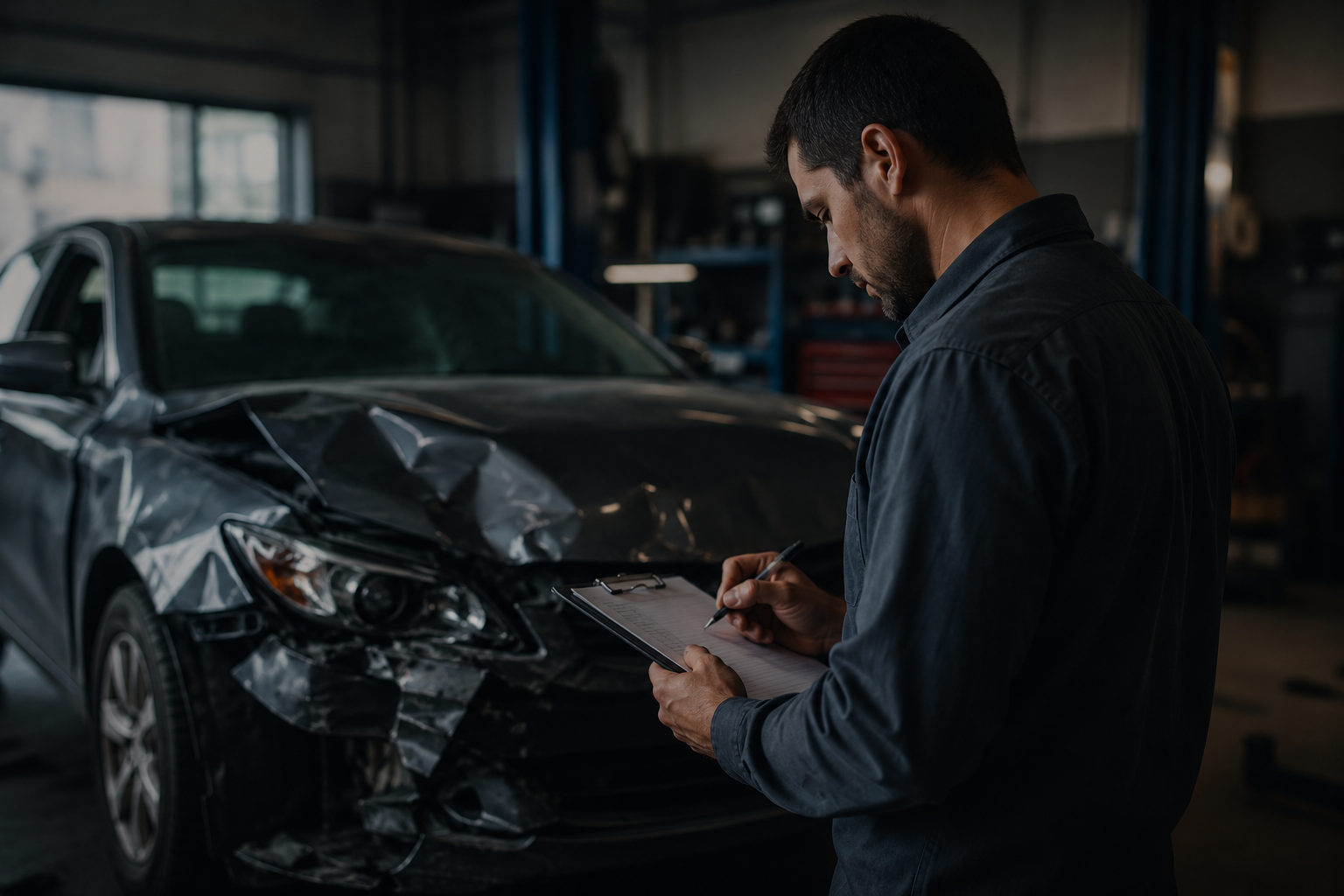
Motor Vehicle Dealer in Al Ruwais for a Simple Car Sale
Complete Article Outline
-
Introduction: Local motor vehicle dealer support for Al Ruwais drivers
-
Why Al Ruwais drivers need a local motor vehicle dealer
-
How iCarsU serves vehicle owners across Al Ruwais
-
Vehicles our dealer team can evaluate and buy
-
Fair vehicle valuation based on local driving conditions
-
Inspection options for apartments, villas, and staff housing
-
Convenient vehicle pickup across Al Ruwais
-
Safe payment and ownership transfer arrangements
-
Selling high-mileage commuter and company vehicles
-
Options for damaged, old, and non-running cars
-
Why dealer service can work better than a private sale
-
Documents needed to complete the sale
-
Preparing your vehicle before an inspection
-
Serving drivers travelling between Al Ruwais and nearby areas
-
Choosing a trusted motor vehicle dealer
-
Sell your vehicle in Al Ruwais with confidence
A reliable motor vehicle dealer in Al Ruwais should make selling your car simple, safe, and convenient. iCarsU helps local drivers receive vehicle evaluations, arrange inspections, and complete sales without unnecessary travel. We regularly serve customers across Al Ruwais and the wider Al Dhafra region. Therefore, we understand the roads, housing areas, parking conditions, work schedules, and travel patterns that affect local vehicle owners.
Al Ruwais sits in Abu Dhabi’s Al Dhafra region, far west of Abu Dhabi City. The area includes residential communities and a major industrial centre linked to ADNOC operations. Moreover, the Ruwais refinery sits about 245 kilometres west of Abu Dhabi City.
Because of this location, most residents depend heavily on their cars. A vehicle helps people reach workplaces, schools, shops, medical services, and nearby communities. It also supports longer journeys towards Ghayathi, Barakah, Tarif, Abu Dhabi City, and the Saudi border direction.
However, selling a vehicle in Al Ruwais can require more planning than selling one in central Abu Dhabi. Private buyers may not want to travel that far. In addition, owners may work rotating shifts or long industrial hours. Therefore, iCarsU offers a practical dealer service that works around the customer’s location and availability.
We do not claim to operate a showroom on every street in Al Ruwais. Instead, our Abu Dhabi and Dubai teams arrange direct service for customers in the area. This approach allows us to inspect vehicles where practical and manage the next steps clearly.
Why Al Ruwais Drivers Need a Local Motor Vehicle Dealer
Al Ruwais has a different daily routine from central Abu Dhabi. Therefore, a generic vehicle-selling service may not understand what local drivers need.
Many residents work in Al Ruwais Industrial City or nearby energy and industrial facilities. The town connects with the industrial complex, residential communities, and the E11 highway. Also, the upgraded E15 route links the Ghayathi area with Al Ruwais and the E11.
As a result, local cars often cover regular work journeys. Some owners drive only between their homes and nearby facilities. Others travel towards Ghayathi, Tarif, Madinat Zayed, or Abu Dhabi City. Meanwhile, some employees keep their families in Abu Dhabi and travel between the two areas during weekends.
These driving habits affect every vehicle differently. For example, a car used for short local journeys may have low mileage. However, the same car may spend long periods parked in strong sun. In contrast, a weekly commuter vehicle may have high mileage but a complete maintenance record.
A knowledgeable motor vehicle dealer should consider these details. Mileage alone does not show the full condition of a car. Therefore, our team also considers service history, mechanical condition, tyre condition, body condition, accident history, specification, and current demand.
Local parking conditions matter as well. Some customers live in apartment buildings or staff accommodation. Therefore, their cars may sit in shared outdoor parking areas. Other customers live in villas with private driveways or shaded parking.
Consequently, inspection arrangements must suit each property type. An apartment resident may prefer an inspection near an open visitor space. A villa owner may have enough room beside the property. Meanwhile, a worker may prefer a meeting point after finishing a shift.
Ruwais Mall and the surrounding commercial areas provide familiar meeting points for many residents. The mall serves the Al Ruwais community and sits within Abu Dhabi. However, busy public parking may not always suit a detailed vehicle check. Therefore, we first discuss the location and choose a practical arrangement.
Traffic patterns also affect appointment times. Roads near residential areas may become busier around school hours. Likewise, routes serving industrial facilities may see more movement during shift changes. Therefore, our team asks about the customer’s work schedule before arranging a visit.
This local flexibility saves time. A customer does not need to drive hundreds of kilometres simply to receive an initial opinion. Instead, the owner can send basic car details first. These details usually include the make, model, year, mileage, registration location, and general condition.
Next, the customer can share clear photos. Exterior photos help us see the body and paint. Interior photos show the cabin condition. In addition, dashboard photos can show mileage and warning lights.
However, photos do not replace a physical inspection. They only help us understand the vehicle before arranging the next step. Therefore, we avoid making unrealistic promises from one unclear picture.
A local dealer service also reduces the problem of unreliable private enquiries. Private advertisements can attract people who ask many questions but never visit. Some buyers may also offer a low amount because of the distance to Al Ruwais.
In contrast, a professional dealer follows a clear process. First, we collect the vehicle information. Then, we review the main details. After that, we discuss inspection availability and the likely sale process.
Therefore, vehicle owners can make decisions with better information. They can compare the offer with their expectations. They can also decide without spending weeks answering messages from unknown buyers.
How iCarsU Serves Vehicle Owners Across Al Ruwais
iCarsU supports customers across the residential and commercial parts of Al Ruwais. We also serve people who work near Al Ruwais Industrial City but live in nearby communities.
Our service starts with a direct conversation. First, we ask which vehicle you want to sell. Then, we ask where the car currently sits. This detail matters because some vehicles stay near homes, while others remain near workplaces or company accommodation.
We regularly deal with different customer situations. For example, an apartment owner may keep the car in an open parking row. A villa resident may park behind a gate. Meanwhile, an employee may use staff housing and need permission for visitor access.
Therefore, we do not use one inspection plan for every seller. Instead, we adjust the arrangement to the location.
Some owners can meet during normal daytime hours. However, many Al Ruwais employees work shifts. As a result, they may only have time during the evening, on a rest day, or between work rotations.
We consider these schedules when discussing availability. Moreover, we try to reduce unnecessary waiting. This approach matters because a customer may need to collect children, attend work, or prepare for a long journey.
The distance from Abu Dhabi City also affects how local residents sell cars. A trip to central Abu Dhabi can take a large part of the day. It also adds fuel costs and kilometres to the vehicle.
Therefore, our process begins remotely. Customers can share vehicle details through a call or online message. They can also send recent photos and explain any known faults.
For instance, the owner should mention accident repairs, warning lights, air-conditioning issues, gearbox problems, or registration expiry. Honest details help us prepare for the inspection. They also reduce surprises during the final evaluation.
Next, we arrange a suitable inspection process. The inspector checks important areas of the vehicle. These can include the engine, gearbox, suspension, tyres, paint, chassis, cabin, electronics, and air-conditioning system.
Air conditioning matters greatly in Al Ruwais. The area experiences strong heat, and many vehicles spend long hours outside. Therefore, buyers pay close attention to cooling performance.
Likewise, sun exposure can affect paint, dashboards, seat materials, rubber seals, and exterior trim. However, normal age-related wear does not always prevent a sale. Our team evaluates the complete vehicle instead of focusing on one small cosmetic issue.
Dust can also build up around engine areas and exterior panels. Therefore, a dusty car does not automatically indicate poor maintenance. We look deeper at fluid condition, service records, mechanical performance, and warning signs.
In addition, long-distance travel can create a clear maintenance pattern. A car that regularly uses the E11 may collect mileage quickly. However, it may still perform well if the owner follows the service schedule.
For this reason, maintenance records can support the value. Dealer invoices, service-book stamps, and digital service records all help. Recent tyre or battery receipts may also provide useful information.
Our motor vehicle dealer in Al Ruwais service covers many common ownership situations. We help individual owners, families, employees, and small business operators. We can also review cars that owners no longer use because of relocation, job changes, company transport, or a new vehicle purchase.
Some customers need to sell before leaving Al Ruwais. Therefore, timing becomes important. They may have a final work date, housing handover, or travel booking. In these cases, early contact helps prevent last-minute problems.
Other owners have already moved to Abu Dhabi or Dubai while the car remains in Al Ruwais. This situation needs careful coordination. Therefore, we first confirm who has access to the vehicle and which documents remain available.
The registered owner must take part in the legal transfer process. Consequently, a friend or colleague cannot complete every step without proper authority. We explain this early so the seller can plan correctly.
Our Google Business Profiles support the wider iCarsU operational network under the names i Cars U Sell My Car and i Cars U Sell My Car Fast. However, the service remains direct and personal. Customers speak with a team that understands vehicle buying and transfer procedures.
Most importantly, we do not pretend that Al Ruwais works like central Abu Dhabi. The area has longer travel distances, industrial work patterns, and a strong need for private vehicles. Therefore, our service reflects the real daily life of local drivers.
[End of Part 1 — Waiting for “Continue”]
Vehicles Our Dealer Team Can Evaluate and Buy
A motor vehicle dealer in Al Ruwais should handle more than one type of car. Local residents drive many different vehicles because their work, family needs, and travel habits vary.
For example, small saloon cars suit drivers who mainly travel within the residential community. They offer easy parking near apartment buildings, shops, schools, and Ruwais Mall. They also use less fuel during regular local trips.
Meanwhile, larger saloons often suit employees who travel between Al Ruwais and Abu Dhabi City. These cars provide more comfort on the E11, especially during long weekend journeys.
Families in villa communities may prefer SUVs. These vehicles provide more passenger space, stronger air-conditioning, and extra room for luggage. In addition, many families use them for trips towards Ghayathi, Madinat Zayed, Tarif, or other parts of Al Dhafra.
Pickup trucks also appear across the area. Contractors, technicians, farm workers, and small business owners often use them. However, pickup condition can vary greatly. Some trucks only carry light equipment, while others handle demanding daily work.
Therefore, our team checks how the vehicle was used. We review the body, cargo area, suspension, tyres, engine, gearbox, and chassis. We also consider the service history and total mileage.
We can review Japanese, Korean, American, European, and Chinese vehicles. Common brands include Toyota, Nissan, Mitsubishi, Honda, Lexus, Hyundai, Kia, Ford, Chevrolet, Jeep, BMW, Mercedes-Benz, and many others.
The vehicle does not need to look perfect. Normal scratches, small dents, faded trim, and interior wear may not stop us from considering it. Al Ruwais vehicles often face strong sun, dust, and long-distance driving. Therefore, we assess these signs in a realistic way.
We also consider older vehicles. Some owners assume that a dealer only wants recent models. However, demand depends on the make, condition, mileage, repair cost, and available parts.
For instance, an older Toyota with a strong service record may still attract interest. Likewise, a well-maintained Nissan SUV may remain useful despite higher mileage.
On the other hand, a newer vehicle with major accident damage may need a lower valuation. Therefore, the model year alone does not decide the offer.
Our team may evaluate:
-
Saloon cars
-
SUVs and crossovers
-
Hatchbacks
-
Coupes
-
Pickup trucks
-
Family vans
-
Company vehicles
-
High-mileage commuter cars
-
Accident-repaired vehicles
-
Cars with expired registration
-
Vehicles with mechanical faults
-
Non-running cars
Some owners in Al Ruwais use a second car only for local errands. As a result, the vehicle may have low annual mileage but an older battery or tyres. Other owners use one car for every journey, including weekly trips to Abu Dhabi. Consequently, that vehicle may show high mileage but receive regular servicing.
Both situations require a proper inspection. Therefore, we do not reject a vehicle based only on its kilometre reading.
Company vehicles also need careful review. A business may replace several cars after a contract change or fleet upgrade. In that case, we can discuss each vehicle separately. Condition can differ even when the vehicles share the same make and year.
Some company cars have complete maintenance files. Others may have missing records because several drivers used them. Therefore, a physical inspection becomes especially important.
Expatriate residents may also need to sell before relocation. Their car could remain in good condition, yet they may have limited time. In that situation, a dealer sale can reduce advertising, viewing appointments, and repeated negotiations.
Likewise, a family may sell an extra vehicle after receiving company transport. Another owner may upgrade from a saloon to an SUV. Meanwhile, an employee may move from Al Ruwais to Abu Dhabi or Dubai.
Whatever the reason, we focus on the vehicle’s actual condition and the seller’s practical needs.
Fair Vehicle Valuation Based on Local Driving Conditions
A fair valuation should reflect the complete car. Therefore, our motor vehicle dealer team considers several factors before confirming an offer.
First, we review the make and model. Some vehicles have strong demand across the UAE. Others attract a smaller group of buyers.
Next, we consider the model year and specification. Gulf specification vehicles often suit local weather and market expectations. However, imported vehicles can also have value when their condition and history remain clear.
Mileage also affects the price. Yet mileage needs context. A car with 180,000 kilometres may still drive well if the owner maintained it properly. In contrast, a lower-mileage car may need major repairs if it missed services.
Al Ruwais drivers often collect kilometres through predictable highway travel. The E11 supports long journeys towards Tarif and Abu Dhabi City. Meanwhile, drivers travelling towards Ghayathi may use connecting roads through the wider Al Dhafra area.
Highway use can increase the odometer quickly. However, steady road driving may create different wear from constant short trips and heavy city traffic. Therefore, we consider how the kilometres were added.
Service history plays an important role. Regular oil changes, gearbox maintenance, coolant replacement, brake work, and air-conditioning service can support a stronger evaluation.
Tyre condition matters as well. Long-distance drivers need safe tyres, especially during summer. Cracks, uneven wear, and old production dates can reduce value because the next owner may need replacements.
We also check the battery. Extreme heat can shorten battery life. Therefore, a weak battery may need attention even when the car starts during the inspection.
The cooling system also deserves careful review. A vehicle travelling from Al Ruwais to Abu Dhabi must handle long periods in high temperatures. As a result, radiator condition, coolant level, fan operation, and engine temperature can affect the evaluation.
Air-conditioning performance remains equally important. A weak system can make daily driving uncomfortable. Moreover, compressor or evaporator repairs can cost a significant amount.
Body condition also influences the offer. Small parking dents may appear around shared apartment spaces. Scratches can happen near busy shopping areas or narrow parking rows. Meanwhile, highway driving can cause stone marks on the bonnet and front bumper.
We assess these issues fairly. Minor wear does not carry the same effect as major structural damage.
Accident history needs honest discussion. A repaired bumper differs greatly from chassis damage. Likewise, a painted door does not create the same concern as a serious collision repair.
Therefore, the inspector may use paint checks and visual examination. The team may also look for uneven panel gaps, welding marks, chassis repairs, or airbag warning lights.
Interior condition matters too. Families may show normal seat wear, marks, or child-seat impressions. Work vehicles may have dusty carpets or worn steering wheels. However, torn seats, damaged controls, or missing interior parts can affect the final amount.
Market demand changes by vehicle type. Fuel-efficient cars may attract commuters. Large SUVs may appeal to families and drivers who travel across Al Dhafra. Pickups may interest commercial users.
Therefore, no fixed price applies to every vehicle. Online advertisements may show asking prices, but those amounts do not always match completed sales. Some advertisements remain online for weeks because the seller expects too much.
A dealer offer also includes convenience. The owner avoids creating advertisements, answering repeated calls, arranging test drives, and negotiating with several strangers.
However, we still encourage customers to consider the offer carefully. A professional transaction should feel clear, not rushed.
We explain the factors that affect the evaluation. Then, the owner can decide whether the amount and process suit their needs.
Inspection Options for Apartments, Villas, and Staff Housing
Vehicle inspections in Al Ruwais require local planning. The right meeting place depends on the property, parking access, and customer schedule.
Apartment residents often use shared parking. Some buildings have open spaces, while others have crowded rows during evenings. Therefore, an inspection may work better during a quieter daytime period.
However, many residents work during the day. In that case, we discuss another suitable time or location.
The vehicle should stand in a safe, legal space. It should not block building entrances, emergency access, loading areas, or other parked cars. In addition, the inspector needs enough room to walk around the vehicle.
Good lighting also helps. A very dark parking corner can hide paint condition and body details. Therefore, an open area usually supports a more accurate check.
Villa owners often have more flexibility. They may park in a driveway, beside the villa, or under a private shade. However, gated access can sometimes delay visitors.
For that reason, the customer should explain any entry instructions before the appointment. Clear directions help the inspection start on time.
Staff housing creates different challenges. Security teams may restrict visitor access. Moreover, the registered owner may finish work during a shift-change period when nearby roads become busier.
Therefore, we ask about access before arranging the inspection. A nearby public meeting point may work better when visitors cannot enter the accommodation area.
Some customers suggest meeting at Ruwais Mall. This location can be convenient because most residents know it. However, the parking area may become busy during evenings, weekends, and family shopping times.
Consequently, we may choose a quieter part of the parking area when allowed. Another nearby open location may also offer more space.
A roadside inspection on the E11 does not provide a safe option. Therefore, we never encourage customers to stop in an unsafe place simply to save time. The vehicle should remain in a proper parking area away from moving traffic.
Before the appointment, the owner should remove unnecessary items from the car. Personal documents, work equipment, shopping bags, and valuables can slow the inspection.
The customer should also keep the key ready. If the car has a second key, the owner should mention it because an extra key can support the value.
The vehicle does not need professional detailing. However, a basic wash can make the body easier to inspect. A clean dashboard also helps the inspector see warning lights clearly.
The engine should remain in its normal condition. Owners should not hide leaks or warning signs. Honest information supports a faster and more reliable evaluation.
During the inspection, the customer can explain recent repairs. For example, they may have replaced the battery, tyres, brake pads, or air-conditioning compressor.
Receipts can support these details. Therefore, it helps to keep them available with the service records.
After the physical check, the team reviews the findings. We then discuss the offer and next steps. The owner does not need to accept immediately.
This flexible approach helps apartment residents, villa owners, and employees with demanding schedules. Most importantly, it makes the process suitable for daily life in Al Ruwais rather than forcing the customer into a central-city routine.
[End of Part 2 — Waiting for “Continue”]
Convenient Vehicle Pickup Across Al Ruwais
Pickup convenience matters when selling a car in Al Ruwais. The area sits far from central Abu Dhabi, and many residents follow fixed work schedules. Therefore, asking every seller to drive to Abu Dhabi City would create extra cost and stress.
A local motor vehicle dealer in Al Ruwais should first understand where the vehicle stays. Some cars remain near apartment buildings in the residential community. Others stay beside villas, staff accommodation, workshops, or company parking areas.
We arrange the process around the vehicle’s location whenever possible. First, the owner shares the exact area and nearby landmark. Then, our team checks access, timing, and parking conditions.
Clear directions help greatly in Al Ruwais. Building names, community entrances, and staff housing gates can look similar. Therefore, customers often share a map pin and a familiar landmark.
Ruwais Mall provides a useful reference point for many residents. Other customers describe their location through nearby schools, clinics, community shops, or roads leading towards the industrial area.
However, the collection point must remain safe and legal. We cannot collect a car from a restricted industrial zone without proper access. Likewise, we cannot block a residential entrance or stop on a busy road.
Apartment residents may prefer pickup from their normal parking space. This option works well when the area has enough room for inspection and loading, if loading becomes necessary.
Villa owners often have easier access. Still, narrow residential streets can become busy during school collection times or evening family visits. Therefore, we may arrange pickup during a quieter period.
Staff accommodation can require more planning. Security teams may need the resident’s name, building number, or visitor details. In some cases, meeting outside the gate provides a faster option.
Shift changes can also affect the timing. Roads leading towards Al Ruwais Industrial City may carry more traffic when employees start or finish work. Therefore, a pickup just before or after these periods may reduce delays.
Some sellers use the car until the transfer day. They may need it for work, shopping, or family transport. In that case, we agree on the collection time before completing the final steps.
Other sellers have already stopped using the vehicle. The car may sit for several weeks because the owner received a company vehicle or bought a replacement. Therefore, we check whether the battery still works and whether the tyres hold air.
A running car normally offers the easiest pickup. After the sale and transfer, an authorised driver can move it from the agreed location.
However, a non-running vehicle may require recovery transport. The owner should explain the fault before the appointment. For example, the engine may not start, the gearbox may not engage, or the battery may have failed.
Underground or covered parking can create recovery problems. Some recovery trucks cannot enter low-clearance areas. Therefore, the vehicle may need to move to an accessible point first.
This issue often affects apartment buildings more than villas. Consequently, we ask about parking height, ramp access, and the vehicle’s ability to roll.
A car with locked wheels or damaged steering requires special planning. Likewise, a vehicle with flat tyres may need additional equipment.
We discuss these details before confirming collection. This step prevents unnecessary delays and avoids sending unsuitable transport.
Customers travelling from Al Ruwais to Abu Dhabi City may also prefer a different arrangement. For example, the owner may bring the car towards Tarif or central Abu Dhabi during a planned journey.
However, the seller should not make a long trip before receiving clear instructions. A remote review should happen first. Then, both sides can choose the most practical inspection and transfer location.
Our aim remains simple. We want to reduce unnecessary driving while keeping the sale legal and organised.
Safe Payment and Ownership Transfer Arrangements
Payment and ownership transfer require careful attention. A professional motor vehicle dealer should explain each step before taking the car.
The registered owner must confirm the sale. Therefore, the name on the registration card should match the person completing the transfer, unless valid legal authority allows someone else to act.
Before the transfer, the seller should check for outstanding obligations. These may include traffic fines, vehicle loans, registration restrictions, or insurance matters.
A financed vehicle needs extra steps. The bank usually holds an interest in the car until the owner clears the remaining amount. Therefore, the seller should contact the lender and request the current settlement details.
The process can take longer when the vehicle has active finance. Consequently, owners planning to relocate should start early.
Traffic fines can also delay transfer. The owner should review them before the agreed sale date. Clearing known fines in advance helps the process move smoothly.
The registration should show accurate vehicle details. The chassis number, plate information, and owner name must match the official records.
The seller should keep the Emirates ID available. Other documents may also apply depending on the vehicle and transfer situation.
For example, a company-owned vehicle needs company documents and authorised signatory approval. A privately owned car usually follows a simpler process.
Inspection or testing requirements may depend on the registration status and transfer method. Therefore, we confirm the expected steps for the specific vehicle.
A car with expired registration may still be sold. However, the process can include extra testing, recovery transport, or document checks.
Insurance also needs attention. The buyer normally arranges suitable insurance before registering the vehicle. Meanwhile, the seller can ask the insurer about cancellation or any available refund after transfer.
Payment should follow an agreed and traceable process. The seller should understand the amount, timing, and method before signing anything.
iCarsU aims to make payment clear before the vehicle changes hands. Therefore, we discuss the final offer after inspection and before starting the transfer.
The owner should never feel pressured to continue when the amount differs from the agreed terms. Any change should have a clear reason, such as a serious undisclosed fault found during inspection.
Once both sides agree, the transfer process can begin. The exact location may depend on the vehicle status, owner availability, and current Abu Dhabi registration procedures.
Because Al Ruwais sits far from Abu Dhabi City, transfer planning matters. A poorly planned trip can waste most of the day. Therefore, we confirm the documents and likely requirements before anyone travels.
Some sellers prefer to coordinate the transfer during a planned journey towards Abu Dhabi. Others need support with local collection before the final registration steps.
We discuss the practical option based on the car and owner. However, we never claim that every transfer can happen entirely at the customer’s parking space.
Official ownership records must change through approved channels. Therefore, the physical pickup and legal transfer may happen at different stages.
The seller should keep the car, keys, and documents until the agreed payment and transfer conditions have been met. Likewise, the buyer needs enough access to inspect and process the vehicle.
After transfer, the seller should remove personal items. These include Salik tags, parking cards, access cards, charging cables, child seats, and personal documents.
Although Salik mainly applies in Dubai, many Al Ruwais residents travel to Dubai or own vehicles previously used there. Therefore, checking the windscreen for toll tags remains useful.
The seller should also clear saved addresses and phone contacts from the infotainment system. Modern cars can store home locations, call records, and connected device details.
Finally, the owner should keep proof of the completed transaction. This record provides reassurance that the vehicle no longer remains under the seller’s name.
Selling High-Mileage Commuter and Company Vehicles
High mileage remains common in Al Ruwais. Many drivers travel long distances for work, family visits, and services that may not be available locally.
A resident who drives regularly between Al Ruwais and Abu Dhabi City can add thousands of kilometres each month. The E11 journey creates steady mileage, especially for people who travel on weekends.
Other drivers commute between Al Ruwais and Ghayathi. Some also travel towards Tarif, Madinat Zayed, Barakah, Sila, or the western border area.
Therefore, a high odometer reading does not always mean poor condition. The vehicle may have spent much of its life on open roads with regular servicing.
Our motor vehicle dealer in Al Ruwais looks beyond the mileage figure. We examine maintenance, engine performance, gearbox condition, cooling, suspension, brakes, tyres, and accident history.
A high-mileage Toyota, Nissan, Lexus, Mitsubishi, or Hyundai may still have strong demand when it runs well. However, neglected maintenance can reduce the value quickly.
Service records become especially important after 100,000 kilometres. They can show whether the owner completed major work at the correct time.
For example, some vehicles require transmission service, spark plugs, belts, fluids, or suspension parts at certain intervals. Proof of this work can support the evaluation.
Highway cars may show stone chips on the front bumper, bonnet, and windscreen. They may also have tyre wear from long journeys.
These signs are normal to a point. However, large cracks, uneven tyre wear, or serious suspension noise can create safety concerns.
Company vehicles need another type of assessment. Some businesses use saloons for supervisors, managers, and site visits. Others use pickups, vans, or SUVs for operational duties.
A company vehicle may have several drivers. Therefore, the service history and internal maintenance records become useful.
Fleet vehicles can collect mileage quickly. However, some companies follow strict service schedules. In that case, the mechanical condition may remain strong despite heavy use.
Other vehicles may have missed maintenance during busy contract periods. Therefore, a physical inspection must confirm the real condition.
Businesses may sell one vehicle or several vehicles together. We can review the list and discuss each car separately.
The company should prepare registration cards, ownership documents, authorised signatory details, and any finance information.
Fleet sales require good coordination. The vehicles may sit in different parking areas or restricted compounds. Therefore, access must be arranged before inspection.
Company staff should also identify which keys belong to each vehicle. Mixing keys and registration cards can delay a multi-car review.
A clear vehicle list helps. It can include the make, model, year, plate number, mileage, and known condition.
After inspection, each vehicle receives its own evaluation. Two cars from the same fleet may not have the same value because mileage, repairs, tyres, and accident history can differ.
Private owners with high-mileage cars should not hide the odometer reading. The mileage appears during inspection and official checks.
Instead, the owner should show how the car was maintained. Regular service evidence often creates more confidence than a low mileage figure without records.
A clean cabin can also improve the overall presentation. Long-distance cars often collect food packaging, receipts, cables, and travel items. Removing them makes inspection easier.
However, expensive detailing may not return its full cost. Basic cleaning and honest maintenance records usually matter more.
Options for Damaged, Old, and Non-Running Cars
Not every car in Al Ruwais remains in perfect driving condition. Some vehicles have accident damage. Others develop engine, gearbox, electrical, or cooling problems.
An owner may stop using the car because repairs cost too much. The vehicle may then remain in an apartment parking area, beside a villa, or near staff housing.
Leaving a non-running car for a long time can create more problems. The battery fails, tyres lose pressure, and dust builds up. In addition, building management may ask the owner to remove it.
Therefore, selling to a dealer can provide a practical solution.
Our team can consider damaged and non-running vehicles. However, the condition must be explained clearly.
The seller should share photos of the whole car and close views of the damage. Dashboard photos also help when warning lights appear.
For accident cars, we need to know which areas have damage. Front, rear, and side impacts can affect different mechanical and structural parts.
A damaged bumper or headlight differs from chassis damage. Likewise, a deployed airbag creates different repair costs from a scratched door.
The owner should mention whether the police report and insurance process have been completed. An open insurance claim may affect the sale timing.
Flood or fire damage also needs full disclosure. These issues can affect wiring, control units, safety systems, and long-term reliability.
Mechanical faults require similar honesty. A seller should explain whether the engine starts, overheats, leaks oil, produces smoke, or makes unusual noise.
Gearbox problems may include delayed movement, slipping, warning lights, or failure to select a gear. Electrical faults can affect windows, lights, locks, screens, or starting.
A non-running vehicle needs accessible recovery space. This point matters especially in apartment parking.
If the car sits in a basement, the owner should confirm the height limit. The wheels should also turn freely when possible.
Some recovery companies use smaller equipment for tight spaces. However, severe access restrictions can increase the collection difficulty.
Villa pickup may offer more room. Still, the vehicle must not block another car or sit behind a locked gate without access.
Old vehicles can also have value. A car may have faded paint, worn seats, or high mileage, yet still provide useful parts or repair potential.
However, unpaid fines, missing ownership documents, or active finance can prevent a quick transaction. Therefore, the legal status matters as much as the physical condition.
A car without a key may also require extra work. The seller should mention this before the visit.
Likewise, missing registration cards or number plates need clarification. We cannot treat an undocumented vehicle like a normal registered car.
A trusted motor vehicle dealer will not promise the highest market price before seeing serious damage. Instead, the dealer should explain that repair costs, recovery, parts availability, and legal status affect the final offer.
This honest approach helps owners make a realistic decision. They can compare the cost of repair with the convenience of selling the vehicle as it stands.
For many Al Ruwais residents, the main benefit comes from avoiding a long tow to Abu Dhabi City. Local coordination can reduce transport problems and help clear the parking space sooner.
[End of Part 3 — Waiting for “Continue”]
Why a Motor Vehicle Dealer Can Work Better Than a Private Sale
A private sale may produce a higher asking price in some cases. However, it can also require more time, travel, and negotiation.
First, the owner must prepare an advertisement. They need clear photos, accurate vehicle details, and a realistic price. Then, they must answer calls and messages from interested buyers.
Many enquiries do not lead to a real viewing. Some people ask for the lowest price before seeing the car. Others arrange a meeting but never arrive.
This problem becomes more difficult in Al Ruwais. A buyer from Abu Dhabi City may show interest at first. However, the long drive can cause them to cancel later.
Some buyers may ask the seller to meet halfway near Tarif. Others may request a viewing during a trip through Al Dhafra. As a result, the owner may spend time arranging meetings that do not lead to a sale.
A private test drive also requires care. The owner must confirm the driver’s identity and licence. In addition, the seller should remain in the car during the drive.
Apartment residents may find repeated viewings difficult. Visitor parking can fill quickly during evenings. Moreover, neighbours or building security may not welcome several unknown visitors.
Villa owners may have more space. Still, they may not want strangers visiting the family home.
Staff accommodation can create even more restrictions. Security may refuse entry to private buyers. Therefore, the seller must meet outside the compound or at another location.
A professional motor vehicle dealer in Al Ruwais simplifies these steps. The owner deals with one team instead of many unknown buyers.
First, the dealer reviews the vehicle details. Next, the team arranges an inspection. Then, the dealer confirms an offer based on the condition.
This process can suit people with busy work schedules. It also helps residents who need to sell before moving, travelling, or finishing an employment contract.
Private buyers may also depend on bank finance. Therefore, the sale can take longer while they arrange approval. A buyer may change their mind during this period.
In contrast, a dealer can often make a direct purchase decision after inspection. However, the exact timeline still depends on documents, finance, fines, and transfer requirements.
Price remains an important factor. A private asking price may look higher than a dealer offer. Yet the owner should compare the complete situation.
Advertising takes time. Repeated meetings add inconvenience. Extra cleaning, registration renewal, repairs, and transport may also cost money.
Moreover, an advertised price does not guarantee a completed sale. Buyers often negotiate after inspection.
A dealer offer reflects resale risk, repair costs, transport, and market demand. Therefore, it may sit below the highest private advertisement.
However, many sellers choose the dealer route because it provides speed and certainty. This option can work especially well in Al Ruwais, where distance limits the number of casual buyers.
Documents Needed to Complete the Vehicle Sale
Correct documents help the sale move without unnecessary delays. Therefore, the owner should review the paperwork before the inspection date.
The registered owner should keep a valid Emirates ID available. The vehicle registration card also needs to match the car and owner details.
The chassis number should match the number shown on the registration. Any difference requires investigation before the sale can continue.
The seller should also prepare all available keys. A second key can support the value because replacement smart keys may cost a significant amount.
Service records can help as well. These may include a stamped service book, workshop invoices, dealership records, or digital maintenance history.
Recent receipts provide useful proof of repairs. For example, the owner may have replaced the battery, tyres, brakes, suspension parts, or air-conditioning components.
The seller should also check traffic fines. Unpaid fines can delay the ownership transfer. Therefore, clearing them early saves time.
A vehicle with active finance needs bank settlement. The owner should contact the lender and confirm the outstanding balance.
The bank may require full payment before releasing the vehicle. As a result, the finance clearance process can take additional time.
Owners who plan to leave the UAE should not wait until their final day. Instead, they should begin the sale while they still have enough time to manage the bank and transfer steps.
Company-owned vehicles require more documents. The business may need a trade licence, company authorisation, and identification for the approved signatory.
The company should also confirm that the person attending the transfer has legal authority. Without this approval, the transaction may stop.
A power of attorney may apply in certain cases. However, the document must provide the correct authority and remain valid for the transaction.
The seller should never hand over blank signed papers. Every document should show a clear purpose.
Likewise, the owner should not give the registration card and keys to an unknown person without agreed conditions.
A professional motor vehicle dealer explains which documents apply to the vehicle. This guidance matters because a private car, financed car, and company vehicle do not follow exactly the same preparation.
Registration status also matters. A valid registration can simplify vehicle movement. However, an expired registration does not always prevent a sale.
Still, an expired vehicle may need recovery transport or additional checks. Therefore, the owner should mention the expiry date at the beginning.
Missing number plates or documents require special attention. The seller may need to report or replace them before transfer.
Insurance documents can also help confirm the current status. After the transfer, the previous owner can contact the insurer regarding cancellation or any possible refund.
The owner should keep copies or records of the completed transaction. These records help confirm the date and details of the sale.
Preparing Your Car for a Dealer Inspection
A well-prepared vehicle allows the inspection to move faster. However, preparation does not mean spending heavily on repairs or detailing.
First, remove personal belongings. Check the glovebox, door pockets, boot, centre console, and under the seats.
Al Ruwais residents often keep work items in their cars. These may include access cards, safety equipment, tools, uniforms, water bottles, or site documents.
Families may also store child seats, toys, shopping bags, and travel supplies. Removing these items gives the inspector better access to the cabin and boot.
Next, give the car a basic wash. Dust can cover scratches, dents, and paint differences. Therefore, a clean exterior supports a clearer evaluation.
However, expensive polishing may not increase the offer enough to cover its cost. A simple wash usually provides enough visibility.
The interior should also look reasonably clean. Remove rubbish and wipe heavy dust from the dashboard.
Strong sun and dust can affect cars in Al Ruwais. Therefore, normal signs of local use do not automatically create a major problem.
Check the tyre pressure before the appointment. A low tyre can prevent a proper road check or safe movement.
The owner should also ensure that enough fuel remains for a short inspection drive. The tank does not need to be full.
If the battery has become weak, explain this before the visit. Do not hide the issue by starting the car with another battery just before the inspector arrives.
Likewise, do not clear warning lights without fixing the cause. Diagnostic systems may show recent fault information.
Honesty saves time. If the engine overheats, the gearbox slips, or the air conditioning stops cooling, mention it early.
The inspector will likely find major faults. Therefore, hiding them can reduce trust and delay the final offer.
Gather the service history before the appointment. Keep invoices in order when possible.
If a workshop recently completed major repairs, explain what they changed. For example, a new compressor, radiator, battery, or set of tyres may support the vehicle’s value.
Small repairs can sometimes help. Replacing a missing wiper blade or fitting a broken light bulb may improve basic presentation.
However, large repairs need careful thought. Spending heavily on an old vehicle may not produce the same increase in sale price.
Ask the dealer before approving expensive work. The car may still attract a reasonable offer in its current condition.
The owner should also confirm that the car remains accessible. Do not park it behind several other vehicles on the inspection day.
Apartment residents should choose a space with enough room around the car. Villa owners should keep gates and driveways clear.
Staff housing residents should arrange visitor access or select a nearby public location.
Finally, arrive on time with the keys and documents. Good preparation helps the motor vehicle dealer in Al Ruwais complete a fair and efficient review.
Serving Drivers Between Al Ruwais and Nearby Areas
Al Ruwais connects people with several communities across Al Dhafra. Therefore, local vehicle ownership often involves more than daily travel inside the town.
Many residents use the E11 for journeys towards Tarif and Abu Dhabi City. This route also supports travel towards the western side of the emirate.
Drivers heading inland may connect towards Ghayathi. Others travel towards Madinat Zayed for work, family visits, services, or government matters.
Some residents work near Barakah or travel towards Sila. Therefore, their vehicles can collect long-distance mileage even when they live in Al Ruwais.
These routes create different ownership patterns. A driver may use one car for short weekday trips and longer weekend travel.
Another resident may keep a second vehicle for family use. Meanwhile, company employees may use buses for work and drive their own cars mainly during rest days.
The condition of these vehicles can vary. A daily commuter may show high mileage but regular maintenance. A second car may show low mileage but suffer from long periods of outdoor parking.
Our motor vehicle dealer service considers these differences. We do not treat every Al Ruwais vehicle as an industrial work car.
We serve private owners, families, employees, contractors, and small companies. We can also coordinate with owners in nearby parts of Al Dhafra.
For example, a seller may live in Ghayathi but work in Al Ruwais. Another may keep the vehicle near staff accommodation during the week and return home on weekends.
Therefore, the inspection location should follow the vehicle, not only the owner’s home address.
A customer travelling towards Abu Dhabi may choose to arrange the final process during that trip. However, we discuss the details before the journey.
Nobody should drive a faulty or unsafe vehicle over a long distance simply for an inspection. Recovery may provide a safer option when the car has serious mechanical problems.
Likewise, an expired vehicle may not be suitable for normal road use. The owner should confirm its legal and mechanical status first.
Local knowledge helps us understand the customer’s timing. A trip from Al Ruwais to Abu Dhabi City requires planning, fuel, and a large part of the day.
Therefore, remote communication plays an important role. Photos, documents, and honest details can reduce unnecessary travel.
However, the final value still depends on a proper inspection. Clear remote information simply makes that inspection more productive.
Choosing a Trusted Motor Vehicle Dealer in Al Ruwais
The right dealer should provide clear information from the beginning. The seller should understand the inspection, valuation, payment, and transfer process.
First, check whether the business communicates professionally. The team should ask useful questions about the car rather than promise an unrealistic price immediately.
A dealer cannot confirm the exact condition from one exterior photo. Therefore, a very high guaranteed offer may change after inspection.
A trustworthy dealer explains that the final amount depends on the physical vehicle. They should also explain which details can lower or support the value.
The seller should ask how the payment will happen. The amount, method, and timing should remain clear before the vehicle changes hands.
Ownership transfer also needs a clear plan. The dealer should not ask the seller to hand over the car without proper steps.
Customer safety matters as well. Inspections should happen in suitable locations. The seller should avoid unsafe roadside meetings or isolated areas.
In Al Ruwais, access planning shows whether the team understands the area. A dealer should ask about apartment parking, villa access, staff housing security, and shift schedules.
They should also recognise that a central Abu Dhabi appointment may not suit every customer.
The dealer should never claim to have a local office when they do not. Mobile service and operational coverage provide a more honest description.
iCarsU serves Al Ruwais through its wider Abu Dhabi and Dubai vehicle-buying operations. Our Google Business Profiles include i Cars U Sell My Car and i Cars U Sell My Car Fast.
These profiles support customers looking for an established vehicle-buying service. However, the Al Ruwais process focuses on direct coordination and practical local coverage.
A good motor vehicle dealer in Al Ruwais should also respect the owner’s decision. The seller can review the offer without pressure.
If the offer does not suit the owner, they can keep the vehicle or consider another option.
Transparency matters more than aggressive sales language. The dealer should explain the reason for any change after inspection.
For example, undisclosed chassis damage, gearbox failure, or serious warning lights can affect the offer. Minor dust or normal local wear should not create an unreasonable reduction.
The owner should also read any document before signing. Names, vehicle details, price, and responsibilities should remain clear.
Never sign a blank form. Likewise, do not share sensitive documents with unknown individuals without a valid reason.
Reviews and business information can provide extra confidence. However, the seller should still judge the actual communication and transaction steps.
Sell Your Vehicle in Al Ruwais With Confidence
Selling a car in Al Ruwais should not require weeks of advertising or repeated trips to Abu Dhabi City. A clear dealer process can save time and reduce uncertainty.
iCarsU understands the practical needs of local owners. Apartment residents need suitable parking for inspections. Villa owners may need flexible home access. Staff housing residents often need appointments around security rules and shift times.
Moreover, Al Ruwais drivers use their cars in many ways. Some commute locally to industrial facilities. Others travel regularly along the E11 towards Tarif and Abu Dhabi City.
Many drivers also connect with Ghayathi, Madinat Zayed, Barakah, Sila, and other areas across Al Dhafra.
Therefore, mileage and condition must receive a realistic assessment. Highway kilometres, strong sun, dust, and outdoor parking all form part of local vehicle ownership.
Our team can evaluate saloons, SUVs, pickups, vans, company cars, damaged vehicles, and non-running cars. We also consider high-mileage vehicles when the condition and documents support a sale.
The process begins with basic information. Share the make, model, year, mileage, registration status, location, and known condition.
Then, send clear photos when possible. This step helps the team prepare before arranging an inspection.
After the physical check, we explain the offer. If the owner accepts, we coordinate payment, transfer, and collection according to the vehicle’s situation.
Financed cars, expired registrations, company vehicles, and non-running cars may need extra steps. Therefore, early contact helps prevent delays.
Most importantly, the seller keeps control of the decision. A professional sale should feel organised, safe, and clear.
For drivers searching for a dependable motor vehicle dealer in Al Ruwais, iCarsU provides practical support shaped around the area’s real roads, communities, work patterns, and travel distances.
[Article Complete]
Can a motor vehicle dealer in Al Ruwais buy an electric or hybrid car?
Yes. A vehicle dealer can assess electric and hybrid cars as well as petrol vehicles. The inspection may include battery condition, warning lights, charging equipment, service history, and remaining manufacturer warranty. You should also provide the charging cable and any battery health reports you have.
Will aftermarket modifications affect a motor vehicle dealer’s offer?
They may affect the offer. Popular, legal upgrades may add some value, while extreme suspension, engine, exhaust, or body changes may reduce buyer demand. Original parts, modification invoices, and approval documents can help the dealer assess the car more accurately.
Can an Al Ruwais vehicle dealer buy an imported car without a UAE service history?
Yes, an imported vehicle may still qualify for purchase. However, the dealer will check its origin, accident history, specification, mileage, mechanical condition, and available documents. A clear inspection report or overseas service record can support the valuation.
Can I keep my special number plate when selling through a motor vehicle dealer?
You may be able to retain a special or personalised number plate instead of transferring it with the vehicle. However, you should arrange the plate retention through the approved Abu Dhabi vehicle licensing process before completing the sale. Tell the dealer early so the transfer can be planned correctly.
Can a vehicle dealer in Al Ruwais buy two or more family cars together?
Yes. A family can ask the dealer to evaluate several privately owned vehicles during the same visit. Each car will receive a separate inspection and valuation based on its condition, documents, mileage, and market demand. Coordinating the inspections together can save time for households replacing or reducing their vehicles.
 English
 Arabic