Buying Second-Hand Car Checklist: Essential Steps for a Smart Purchase
When you’re planning to buy a second-hand car, it’s crucial to ensure that the vehicle you’re considering is in good condition and worth the investment. Buying a pre-owned car can save you money, but it also requires extra caution to avoid unpleasant surprises down the road. This checklist will guide you through the key aspects to inspect before making your purchase, helping you make an informed decision and ensuring a smooth transaction.
1. Research the Market and Set a Budget
Before even stepping foot in a dealership or contacting a private seller, it’s important to do some research on the second-hand car market in Abu Dhabi. Start by determining the types of cars you’re interested in and what your budget is. Knowing how much you can afford will help you narrow down your options and prevent any impulsive purchases.
Look at online platforms and listings for second-hand cars in your area. This will give you a sense of pricing trends for different makes, models, and years of cars. Keep in mind that the price should align with the car’s condition, mileage, and age. Once you’ve set a budget, stick to it, and avoid the temptation to overspend.
2. Verify the Car’s History
A car’s history can tell you a lot about its past performance, maintenance, and whether it has been in any accidents. When considering buying a second-hand car, request the vehicle’s history report from the seller. A trustworthy report will highlight any past accidents, the number of previous owners, and maintenance records.
Look for vehicles that have been well-maintained and regularly serviced. If the car has had multiple owners in a short period, it could signal underlying issues. If possible, request the car’s service history to confirm that it has been properly cared for.
3. Inspect the Exterior Condition
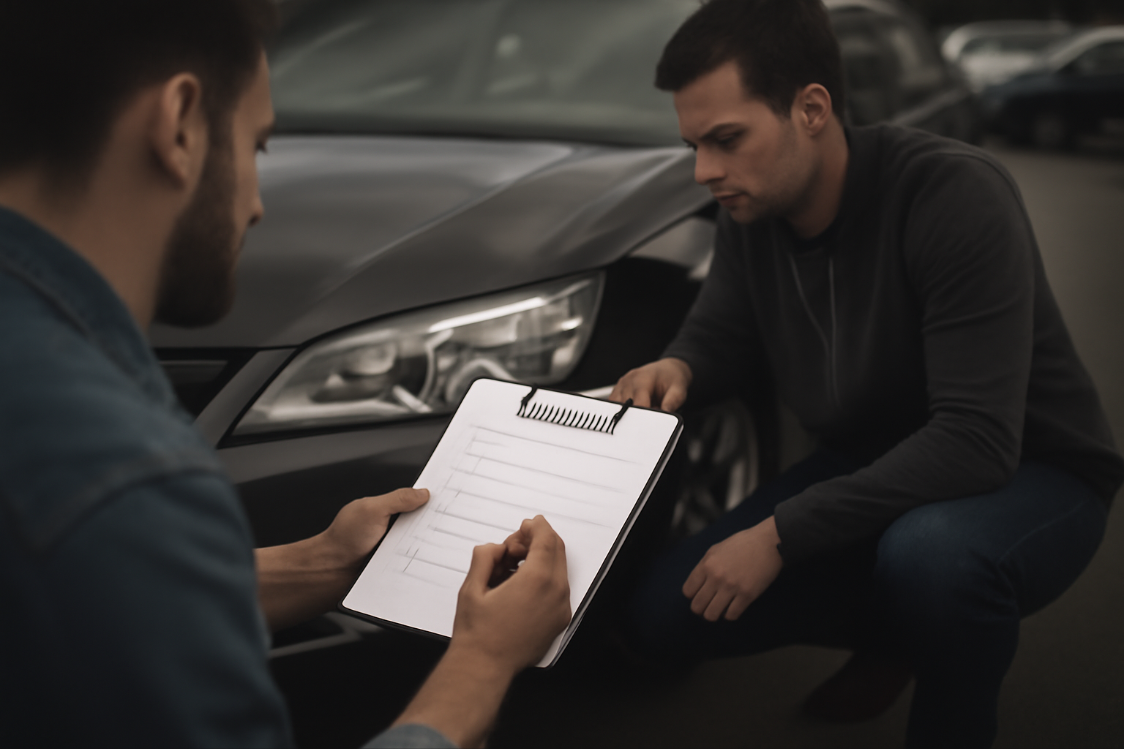
Once you’ve confirmed that the car’s history checks out, it’s time to inspect the physical condition of the vehicle. Walk around the car and examine its body for signs of rust, dents, or scratches. These could be minor cosmetic issues, but they might also indicate more significant problems with the car’s structure.
Check the condition of the paintwork as well. Uneven paint or noticeable color differences between panels could be a sign of previous repairs or a collision. Be sure to inspect the alignment of the body panels to ensure that they’re symmetrical and properly fitted.
4. Check the Tires
The condition of the tires can tell you a lot about the car’s maintenance and the wear and tear it has experienced. Tires with worn-out tread or uneven wear could indicate that the car has been driven roughly or that it requires suspension or alignment work.
Ensure that the tires are all the same type and brand, as mismatched tires can affect the car’s handling and overall safety. If the tires are in bad condition, factor in the cost of replacing them when negotiating the price.
5. Inspect the Interior
Next, move inside the car and check its interior. Look at the upholstery, dashboard, and seats for any signs of damage or excessive wear. Check for any stains, tears, or rips in the upholstery. Smells inside the cabin can also be a red flag. Musty or moldy odors could indicate water damage, while a strong air freshener scent might be hiding unpleasant smells.
Test all the electronics, including the air conditioning, heating, radio, and infotainment system. Make sure the windows, locks, and mirrors are functioning properly. This will help you avoid additional repair costs after purchase.
6. Review the Engine and Fluid Levels
When purchasing a second-hand car, it’s essential to check under the hood. The engine should look clean, and there should be no visible leaks of oil, coolant, or other fluids. Check the oil level and its condition. Healthy engine oil should be brownish and transparent, not thick, dark, or gritty. If the oil looks poor, it may indicate that the car hasn’t been maintained properly.
Also, look at the engine belts and hoses for any signs of cracking, wear, or leaks. A mechanic will also check for potential issues during the pre-purchase inspection, but it’s always wise to have a general idea of the engine’s condition before you proceed.
7. Examine the Suspension and Exhaust System
A smooth ride depends on a healthy suspension system. When inspecting the car, bounce each corner of the car to see how it responds. The car should settle back into place without excessive bouncing. If the suspension is too soft or stiff, it might need repair, which can be costly.
The exhaust system is another critical area to examine. Look underneath the car to check for any rust, holes, or signs of damage. A noisy exhaust or visible damage could lead to poor fuel efficiency and increased emissions. If there are any concerns, have it checked by a professional before finalizing your decision.
8. Test Drive the Car
A test drive is one of the most important parts of buying a second-hand car. It allows you to get a feel for how the car drives and whether there are any immediate issues with the brakes, engine, transmission, or steering.
Take the car on different types of roads—smooth highways, rough patches, and city streets—to see how it handles various conditions. Listen for any strange noises, such as squeaks or rattles. Pay attention to how the car accelerates, brakes, and shifts gears. If anything feels off or the car doesn’t drive smoothly, it’s a red flag.
9. Verify the Car’s Paperwork
When you’ve thoroughly inspected the car and taken it for a test drive, it’s time to ensure that all the paperwork is in order. The seller should provide you with the car’s registration documents, proof of insurance, and any available service history. In Abu Dhabi, make sure the vehicle is not under any financial obligations, like outstanding loans or fines.
Check that the Vehicle Identification Number (VIN) on the car matches the one listed in the registration documents. If there’s any discrepancy, walk away. A legitimate seller will have no problem providing you with these details.
10. Get a Professional Inspection
If you’re still unsure about the condition of the car, consider hiring a professional mechanic to inspect it for you. A professional inspection can identify issues that may not be obvious to an untrained eye. It could save you from buying a car that needs expensive repairs.
Mechanics can also assess the car’s overall safety features, such as airbags, braking systems, and the structural integrity of the car. A mechanic’s opinion could be the deciding factor in whether you proceed with the purchase.
11. Negotiate the Price
Once you’ve completed all of the necessary checks, you can begin negotiating the price. Based on the condition of the car and any repairs or maintenance it needs, propose a fair offer to the seller. If there are issues with the car, use them as leverage to lower the price. Be prepared to walk away if the seller isn’t willing to meet your price.
Don’t rush the negotiation process. Take your time, especially if you’re planning to buy a used car. A little patience and persistence can help you get the best deal.
12. Finalize the Deal
Once you’ve agreed on the price, it’s time to finalize the deal. Ensure that the payment method is secure, and make sure you have all the necessary paperwork completed. Transfer the ownership, register the car in your name, and finalize the car insurance to ensure you are legally covered.
After the transaction is complete, you can drive away in your newly purchased second-hand car with peace of mind, knowing that you followed a thorough checklist and made an informed decision.
Conclusion
Buying a second-hand car in Abu Dhabi doesn’t have to be stressful if you approach it with the right mindset and checklist. By taking the time to research, inspect, and negotiate, you can ensure that you make a smart investment. Whether you’re looking for a car to buy or a reliable option to sell, following this checklist can help you navigate the process efficiently and confidently.
Now, with all the steps covered, you’re ready to start your search and make a smart, confident purchase!

 Urgent? WhatsApp a buyer











 English
  Arabic