
 Urgent? WhatsApp a buyer








Sell Any Car NOW in Abu Dhabi – Get CASH FAST
October 14, 2026

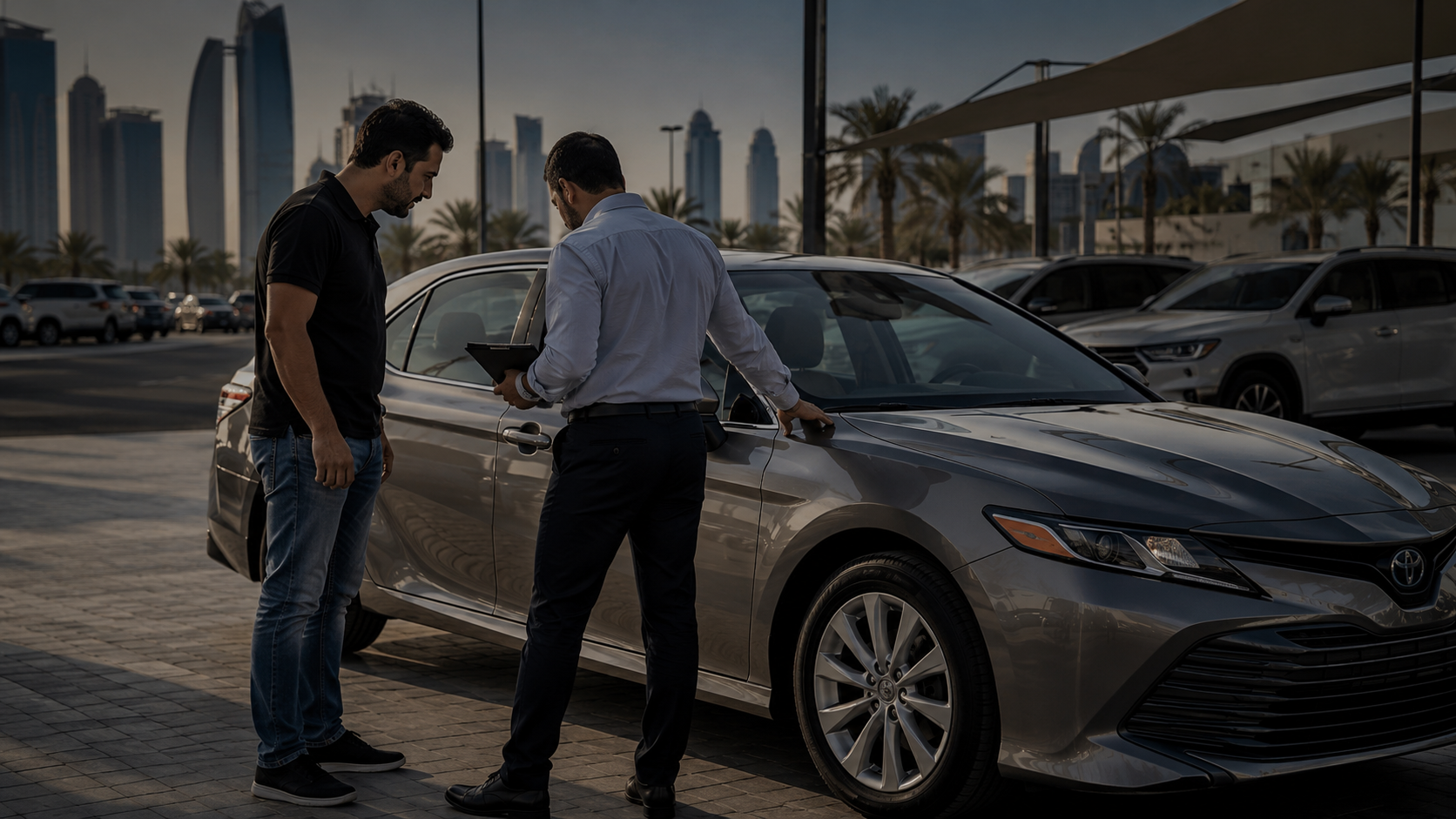
Selling your car in Dubai Media City can be simple, quick, and convenient when you choose the right buyer. Whether you own a sedan, SUV, luxury car, or older vehicle, you can find buyers who offer fast valuations and direct payment. If you want to sell my car fast in Dubai Media City, you should compare offers, prepare your documents, and arrange a convenient inspection. With the right approach, you can avoid long delays, unnecessary advertising, and difficult negotiations.
Dubai Media City attracts professionals, business owners, and residents who often need convenient car-selling services. However, busy work schedules can make traditional selling methods difficult. Therefore, many sellers prefer direct car buyers who can inspect vehicles near their offices, homes, or parking areas.
At iCarsU, car sellers can explore a more convenient way to connect with the car-selling process. Whether you live in Dubai or travel from Abu Dhabi, understanding the process helps you make better decisions.
This guide explains how to sell your vehicle quickly, receive a fair offer, and complete the necessary steps safely.
Dubai Media City is one of Dubai’s important business districts. Many companies, offices, and professionals operate in this area. Consequently, car owners often have limited time for private advertisements and repeated buyer meetings.
A direct car buyer can make the process easier.
Instead of spending several weeks answering messages, you can request a vehicle valuation. Next, you can arrange an inspection and discuss an offer.
Several reasons encourage people to sell cars quickly in Dubai Media City.
Moving to another city or country.
Upgrading to a newer vehicle.
Buying a larger family car.
Reducing monthly expenses.
Selling a second vehicle.
Changing jobs or workplaces.
Avoiding future repair costs.
Selling before insurance renewal.
Furthermore, some residents travel regularly between Dubai and Abu Dhabi. They may prefer a buyer who understands vehicle transfers across the UAE.
A clear selling plan saves time and helps you avoid unnecessary complications.
Many sellers believe they need a perfect vehicle to attract buyers. However, professional used car buyers may consider different makes, models, ages, and conditions.
You can explore options for selling several types of vehicles.
Used sedans and hatchbacks attract different buyers across Dubai.
For example, Toyota Corolla, Honda Civic, Nissan Sunny, and Hyundai Elantra models serve everyday driving needs. Therefore, buyers often consider their mileage, maintenance history, and general condition.
A clean vehicle with regular servicing may attract stronger offers.
However, buyers also consider older vehicles that have higher mileage.
SUVs remain useful for families and drivers who need additional space.
Vehicles such as the Nissan Patrol, Toyota Land Cruiser, Ford Explorer, and Mitsubishi Pajero may attract different market offers.
Additionally, buyers consider smaller SUVs, including the Toyota RAV4 and Nissan X-Trail.
If you plan to sell your family SUV, prepare its service records and explain its condition accurately.
Dubai Media City and nearby communities include many owners of premium vehicles.
For example, sellers may own Mercedes-Benz, BMW, Audi, Lexus, Porsche, or Range Rover models.
Luxury car buyers often examine service records, accident history, mechanical condition, and optional equipment.
Therefore, maintaining clear records can support a better valuation.
Older vehicles may still have resale value.
However, age, mileage, repairs, and market demand influence every offer.
Some buyers purchase vehicles that need mechanical work. Others focus on cars that already meet their resale standards.
As a result, describing your vehicle accurately helps you connect with suitable buyers.
Private advertisements offer one way to sell a vehicle. However, they can require considerable time and effort.
First, you need to clean your vehicle and take photographs. Next, you must prepare descriptions and publish advertisements.
Afterward, interested buyers may contact you throughout the day.
Some buyers request additional photographs. Others negotiate heavily before seeing the vehicle.
Additionally, several people may arrange appointments without completing a purchase.
A direct car-selling service can reduce these tasks.
Instead of managing multiple conversations, you can request an offer from a buyer who purchases used vehicles.
You can then decide whether the price meets your expectations.
For busy professionals, this approach may provide a more convenient selling experience.
A simple process helps you move from your first valuation to the final ownership transfer.
Start by providing your vehicle details.
Most buyers need the following information:
Vehicle make and model.
Manufacturing year.
Current mileage.
Vehicle specifications.
Service history.
Accident information.
Registration status.
General mechanical condition.
Additionally, describe visible scratches, dents, or warning lights.
Accurate details help buyers prepare more realistic estimates.
After receiving an initial estimate, compare it with other offers.
However, do not focus only on the highest number.
Consider the buyer’s payment method, inspection requirements, and transfer process.
For example, one buyer may offer a higher price but request expensive repairs before purchasing.
Another buyer may accept the car in its current condition.
Therefore, compare the actual amount you expect to receive after any agreed deductions.
Next, choose an inspection location that suits your schedule.
Dubai Media City includes office towers, commercial parking areas, and nearby residential communities.
Depending on the buyer’s service area, you may arrange an inspection near your workplace or residence.
However, confirm parking access before the appointment.
Some buildings require visitor registration or security approval.
Also, choose a safe location with enough space to inspect the vehicle.
During the inspection, the buyer may check your car’s body, engine, transmission, tyres, and interior.
The buyer may also review the service history and registration details.
Afterward, discuss the final purchasing price.
If the offer matches your expectations, you can continue.
Otherwise, you remain free to compare other buyers.
Once you accept an offer, agree on the payment method and transfer arrangements.
You may choose a verified bank transfer, cash where appropriate, or another secure method.
Importantly, verify that you have received cleared funds before releasing the vehicle.
Then, complete the required ownership transfer through the relevant UAE vehicle registration channels.
Always confirm the transaction details and retain proof of the sale.
Selling quickly does not mean accepting the first offer.
Instead, use several simple steps to support a fair valuation.
Start by checking comparable vehicles currently available in Dubai.
Look for cars with the same model, year, engine, and specifications.
Also, compare vehicles with similar mileage.
However, remember that advertised prices do not always represent completed selling prices.
Dealers also need to account for reconditioning, storage, and resale costs.
Therefore, a direct purchasing offer may differ from a private advertisement.
Presentation affects the first impression.
Before the inspection, wash the exterior and clean the interior.
Also, remove personal belongings from the glove compartment, boot, and storage areas.
A tidy vehicle helps the buyer examine its condition.
However, avoid spending large amounts on cosmetic work without checking the potential return.
Service records show how you have maintained your vehicle.
For example, invoices may confirm regular oil changes, brake servicing, and major repairs.
Additionally, dealership service records can support your description.
Buyers may offer stronger prices when they can verify important maintenance work.
Transparency saves time.
Tell buyers about mechanical problems, accident repairs, warning lights, or electrical issues.
Otherwise, unexpected findings during the inspection may reduce the final offer.
Clear communication helps both parties evaluate the deal correctly.
Not every vehicle arrives in perfect condition.
Some cars have minor scratches, while others need expensive mechanical repairs.
Fortunately, different buyers specialize in different vehicle conditions.
Small dents and scratches commonly appear during daily driving.
For example, tight parking spaces can lead to bumper marks or door scratches.
However, these problems do not automatically prevent a sale.
A buyer may calculate the repair cost and include it in the offer.
Engine problems, transmission faults, or air-conditioning failures can reduce vehicle value.
However, some buyers still consider cars that require repairs.
Before accepting a deal, explain the mechanical issue and any previous repair attempts.
Additionally, provide available garage reports.
This information helps the buyer estimate the cost of restoring the vehicle.
Many drivers travel between Dubai, Abu Dhabi, Sharjah, and other emirates.
As a result, their vehicles may accumulate mileage quickly.
High mileage can affect resale value, but it does not always prevent a sale.
Buyers also examine maintenance quality, mechanical condition, and market demand.
Therefore, a well-maintained vehicle may remain attractive despite its mileage.
A previous accident may influence the car’s resale value.
However, the impact depends on the damage and repair quality.
For example, minor bumper repairs differ from major structural damage.
Share accurate accident information and available repair records.
This approach supports an honest inspection and clearer negotiations.
Dubai Media City sits near several busy residential and commercial communities.
Therefore, sellers often search for car buyers around nearby districts.
Dubai Internet City includes technology companies, offices, and busy professionals.
Many employees have demanding schedules.
Consequently, arranging a convenient inspection may save time.
If you work nearby, discuss whether the buyer can meet you at an accessible parking location.
Dubai Marina has residential towers, shopping areas, and large parking facilities.
Residents may want to sell vehicles before moving or upgrading.
However, tower parking arrangements can create access restrictions.
Therefore, confirm visitor access and inspection requirements before scheduling a meeting.
Barsha Heights, also known as TECOM, sits close to Dubai Media City.
Many residents and office workers travel between these areas.
As a result, sellers may find it convenient to arrange inspections around their daily schedules.
Palm Jumeirah residents own many different vehicle types, including luxury cars and SUVs.
Buyers may consider premium specifications, service history, and vehicle condition.
If you arrange an inspection near Palm Jumeirah, choose an accessible meeting point.
Al Sufouh connects several important roads and nearby communities.
Vehicle owners around this area can compare direct buyers and private selling options.
Additionally, selecting a convenient inspection location can reduce unnecessary travel.
Working in Dubai Media City can make car selling difficult.
For example, you may attend meetings throughout the day.
You may also travel between different offices.
Therefore, planning your inspection carefully can save time.
Start by collecting vehicle information before contacting buyers.
Next, request an estimate during a convenient break.
Then, arrange the inspection around your work schedule.
If you use an office parking facility, confirm the building’s visitor rules.
Some security teams require advance registration.
Also, check whether the inspection area has enough space for a short vehicle examination.
Dubai Media City experiences busy traffic periods.
Therefore, avoid scheduling tight appointments around major commuting times.
Sheikh Zayed Road and nearby connecting roads can become congested during peak hours.
A realistic appointment window makes the experience easier for everyone.
Some Abu Dhabi residents work in Dubai Media City or regularly travel to Dubai.
Others may move between the two emirates for personal or professional reasons.
If you own a car registered in Abu Dhabi, you may still explore buyers in Dubai.
However, the registration and transfer process can differ from a standard Dubai-to-Dubai sale.
Therefore, confirm the necessary steps before agreeing to the transaction.
First, review the registration details on your vehicle’s Mulkiya.
Confirm the registered owner’s name and the registration emirate.
Additionally, check whether the registration remains valid.
The buyer may need this information before arranging the transfer.
If you financed your car through a bank, check the remaining loan balance.
A bank loan can affect the transfer process.
Therefore, discuss the settlement requirements with your bank.
Some transactions involve loan settlement and bank clearance before ownership changes.
Never assume the buyer can complete the transfer while the finance restriction remains active.
Before the sale, check any outstanding traffic fines.
Also, review parking fines, Salik obligations, or other charges that may affect the transaction.
Depending on the registration and transfer requirements, you may need to settle outstanding amounts first.
Completing these checks early can prevent delays.
Abu Dhabi and Dubai use different vehicle registration systems.
Consequently, inter-emirate sales may require additional steps.
These can include vehicle inspection, registration cancellation or transfer documentation, and new registration arrangements.
The exact procedure depends on the vehicle and transaction.
Therefore, confirm current requirements with the relevant registration authority before proceeding.
Proper documentation supports a smooth car sale.
Before meeting a buyer, prepare the documents relevant to your vehicle.
Your Emirates ID helps establish your identity.
The registration authority may require valid identification during the transaction.
Therefore, check that your identification remains valid.
The Mulkiya contains important vehicle and ownership details.
It identifies the registered vehicle and owner.
The buyer may review these details before agreeing to purchase.
If your vehicle has an outstanding loan, contact your bank.
Ask about the loan settlement procedure and release requirements.
After the bank settles and releases the finance restriction, you can continue with the required ownership steps.
If you plan to sell a vehicle on behalf of someone else, additional authorization may apply.
For example, an authorized representative may need valid legal documentation.
Similarly, company-owned vehicles can require corporate authorization.
Confirm the exact requirements before arranging the sale.
Service records do not always form part of the mandatory transfer documents.
However, they can support your vehicle’s value.
Therefore, keep maintenance invoices and inspection records available.
Choosing a suitable buyer matters as much as choosing a selling price.
A reliable buyer should explain the process clearly.
Additionally, the buyer should provide understandable payment and transfer arrangements.
Start by checking the business’s public information.
Look for a verifiable business identity, contact details, and relevant customer feedback.
Next, discuss the inspection process.
Ask the buyer to explain how they calculate the final offer.
Also, confirm whether any service charges or deductions apply.
Avoid buyers who pressure you to sign unclear agreements.
Likewise, never share banking passwords, verification codes, or unrelated personal information.
A legitimate car transaction does not require access to your online banking account.
Finally, verify the payment before handing over the keys.
These simple checks can help protect your interests.
Price negotiations form part of many car sales.
However, preparation can make the discussion easier.
Start by understanding your vehicle’s realistic market value.
Next, decide the minimum amount you would consider.
Then, explain the vehicle’s condition and maintenance history.
For example, recent tyre replacement may support your asking price.
Likewise, documented major servicing can help explain the vehicle’s maintenance costs.
However, remember that buyers consider the complete vehicle condition.
An expensive repair does not always increase resale value by the same amount.
Therefore, focus on objective details rather than emotional value.
If the buyer makes a low offer, ask for the reasons.
They may identify repair costs, mileage concerns, or weaker market demand.
After reviewing the explanation, decide whether to accept or continue comparing buyers.
You do not need to complete a sale that fails to meet your expectations.
Traditional private selling involves several separate tasks.
You must create advertisements, answer messages, arrange appointments, and negotiate with interested buyers.
Additionally, some visitors may only want to compare vehicles.
Others may need financing approval before purchasing.
Therefore, the complete process can take longer than expected.
Direct buyers may combine several stages into a shorter process.
They can review vehicle details, inspect the car, and discuss a purchasing offer.
However, actual completion time depends on several factors.
These include vehicle condition, buyer availability, loan status, payment clearance, and registration requirements.
As a result, same-day completion may be possible for some sales but not all.
A realistic understanding of these conditions helps prevent disappointment.
Some owners consider repairing their cars before selling.
However, not every repair provides a worthwhile financial return.
For example, a small cosmetic repair may improve presentation.
In contrast, major engine or transmission repairs can cost thousands of dirhams.
Therefore, request an initial valuation before authorizing expensive work.
Compare the estimated selling price in the current condition with the potential price after repairs.
Also, include the repair cost and additional time.
If the expected price increase does not cover the expense, selling the vehicle as it stands may make more sense.
However, disclose existing mechanical problems to the buyer.
This approach reduces misunderstandings during inspection.
Car prices can change throughout the year.
Market supply, model popularity, vehicle age, and demand can affect valuations.
Additionally, newer model releases may influence the prices of older vehicles.
Therefore, timing sometimes matters.
However, waiting too long can create additional costs.
You may need to renew insurance, replace tyres, or complete major servicing.
Your vehicle may also accumulate more mileage.
Consequently, compare the possible benefits of waiting with the costs of keeping the car.
If you already plan to upgrade, obtaining current offers can help you decide.
You do not need to predict the market perfectly.
Instead, focus on your personal circumstances and the vehicle’s current value.
International relocation often creates pressure to complete a car sale quickly.
You may need to manage accommodation, employment documents, travel plans, and financial accounts.
Therefore, vehicle selling should form part of your moving checklist.
Start by reviewing the car’s ownership and finance status.
Next, contact potential buyers and compare offers.
Then, arrange a suitable inspection.
If the car has outstanding finance, discuss settlement timing with the bank.
Additionally, confirm the payment method before your departure.
Avoid leaving important ownership arrangements unresolved.
The registered owner may remain responsible for certain vehicle obligations until the authorities complete the appropriate transfer or cancellation.
Therefore, retain transaction records and official confirmation.
A clear plan helps you manage your relocation with fewer complications.
Small mistakes can create unnecessary delays during a vehicle sale.
Fortunately, you can avoid many problems through careful preparation.
The first offer may appear attractive.
However, another buyer may value your vehicle differently.
Therefore, compare a few realistic offers before deciding.
Focus on the final amount rather than an attractive initial estimate.
Some sellers avoid mentioning mechanical faults.
However, inspections often reveal important problems.
Consequently, hidden issues can lead to lower offers or cancelled negotiations.
Describe the vehicle accurately from the beginning.
Never rely on a payment screenshot alone.
Instead, verify that your bank has received the funds.
Also, confirm the ownership transfer arrangements.
Keep the vehicle and keys under your control until you complete the agreed payment and handover steps.
Drivers often leave personal items inside their vehicles.
For example, parking cards, sunglasses, charging cables, and documents may remain in storage areas.
Therefore, check every compartment before handing over the car.
Additionally, remove saved addresses, connected phones, and personal profiles from the infotainment system.
A signed private agreement does not automatically complete the official registration change.
Therefore, follow the appropriate vehicle ownership transfer procedure.
For Dubai-registered vehicles, the RTA offers ownership transfer services through approved channels.
Its requirements include valid identification and applicable inspection, insurance, and mortgage clearance records.
Keep the official transaction confirmation for your records.
When you want a quick car sale, choosing a convenient starting point matters.
iCarsU provides an online destination for people exploring car-selling options.
You can start by reviewing your vehicle details and preparing the information buyers need.
Whether you own a compact car, SUV, luxury vehicle, or older model, understanding its value helps you negotiate.
Additionally, you can compare your preferred selling price with the offers available.
For Dubai Media City professionals, convenience often matters.
However, price, payment security, and proper documentation remain equally important.
Therefore, use a clear checklist before agreeing to any transaction.
Make sure you understand the final offer, inspection results, payment arrangements, and ownership transfer steps.
If you live in Abu Dhabi but work in Dubai, prepare for any additional inter-emirate requirements.
With proper preparation, you can make the entire experience easier.
Selling a vehicle does not need to involve weeks of uncertainty.
First, understand your car’s market value. Next, collect your documents and request suitable offers.
Then, arrange an inspection at a convenient location and review the buyer’s final price.
Furthermore, verify payment before releasing the vehicle and complete the official ownership transfer.
Whether you want to sell any car in Dubai Media City or sell my car Dubai, careful preparation makes a difference.
Choose a buyer who explains the process, respects your time, and provides clear transaction details.
Finally, visit iCarsU.com to explore car-selling options and take the next step toward selling your vehicle.
A straightforward process, a realistic price, and secure payment can help you sell your car with greater confidence.
Can I sell my car fast in Dubai Media City if I live in Abu Dhabi?
Yes, you can sell your car in Dubai Media City while living in Abu Dhabi. Many car buyers consider vehicles registered in different UAE emirates. You can request a valuation online and arrange an inspection at a convenient location. However, confirm the buyer’s service area and the ownership transfer requirements before proceeding.
Can I sell any car in Dubai Media City if my vehicle has expired registration?
Yes, some used car buyers accept vehicles with expired registration. However, the vehicle’s condition and registration status may affect the final offer. Additionally, you must follow the relevant transfer requirements. If your registration has expired, avoid driving the vehicle until you confirm its legal road status. Some buyers may arrange vehicle recovery or towing.
Can I sell my car Dubai if it has Abu Dhabi number plates?
Yes, you can sell an Abu Dhabi-registered vehicle to a buyer in Dubai. However, the transaction may require additional registration or transfer procedures. First, confirm your vehicle’s ownership details and outstanding obligations. Next, discuss the transfer arrangements with the buyer. You may need to complete certain steps through Abu Dhabi’s registration system before the buyer registers the vehicle in Dubai.
Can I sell my car fast in Dubai Media City if I have lost my spare key?
Yes, many car buyers consider vehicles with only one working key. However, a missing spare key may affect your car’s resale value. Therefore, inform the buyer before arranging an inspection. If you still have the original working key, you can usually proceed with the valuation. The buyer can then consider the cost of obtaining a replacement key when preparing an offer.
Can I sell any car in Dubai Media City while staying in Abu Dhabi without travelling to Dubai?
Yes, some car-buying services offer mobile inspections and collection arrangements. Therefore, you may find a buyer who can inspect your vehicle in Abu Dhabi. However, availability depends on the buyer and your exact location. Ask whether the buyer can visit your home, workplace, or another convenient location. Also, confirm whether you must attend an official transfer appointment in person or can use an approved alternative.