MOI Accident Check By Plate Number in Sharjah
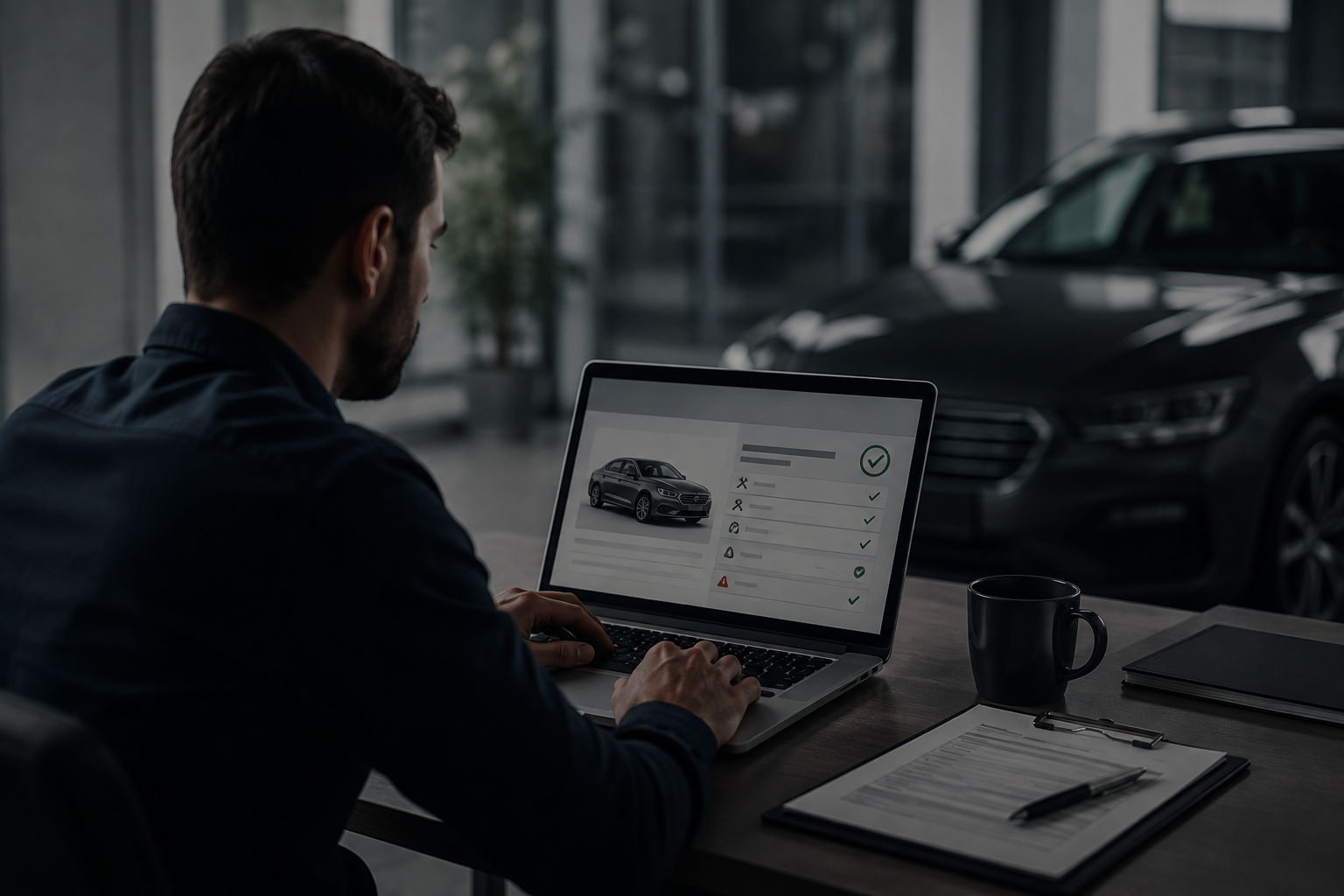
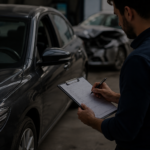
If you want to perform an MOI accident check by plate number in Sharjah, you can find valuable information about a vehicle before you buy, sell, or inspect it. This check helps you review accident records linked to the vehicle. As a result, you can make a smarter decision and avoid unexpected problems. Whether you live in Abu Dhabi or plan to buy a car from Sharjah, checking the accident history should always come first.
Many drivers in Abu Dhabi search for used cars in Sharjah because they often find a wider selection and competitive prices. However, every buyer should verify the vehicle’s history before paying any money. A simple accident check can reveal important details that help you understand the real condition of the vehicle.
Why You Should Check Accident History
Buying a used vehicle always involves some risk. However, you can reduce that risk when you review the accident history first. Many cars look clean from the outside, yet they may have experienced major repairs after a collision.
Therefore, checking accident records gives you more confidence. It also helps you negotiate a fair price because you understand the vehicle’s past.
An accident check may help you:
-
Verify whether the vehicle has accident records.
-
Understand the history before purchase.
-
Compare the seller’s information with available records.
-
Plan a professional inspection.
-
Reduce the chance of buying a damaged vehicle.
-
Save money in the long run.
-
Make a confident buying decision.
Because of these benefits, many experienced buyers never skip this important step.
Why Abu Dhabi Buyers Search in Sharjah
Sharjah has one of the largest used car markets in the UAE. Therefore, many residents from Abu Dhabi travel there every week.
Buyers often visit Sharjah because they can:
-
Compare many vehicles in one day.
-
Find different brands.
-
Explore various price ranges.
-
Locate rare models.
-
Choose between private sellers and dealerships.
Although the choices look attractive, every vehicle deserves proper verification before purchase.
Therefore, an accident history check becomes even more important when buying outside your own emirate.
Understand What Plate Number Search Means
Many people think a plate number alone tells the complete history of a vehicle. In reality, the search helps identify records connected with that vehicle through official systems.
The information available depends on the records connected to the vehicle. Therefore, the accident history should work together with other vehicle checks instead of replacing them.
You should also compare the available information with:
When you combine all these checks, you gain a much clearer picture.
Why Accident Records Matter
Even a small accident can affect future maintenance costs. Meanwhile, a major accident may influence the vehicle’s value for years.
For example, accident damage can involve:
-
Front bumper
-
Rear bumper
-
Doors
-
Roof
-
Suspension
-
Steering
-
Engine compartment
-
Chassis
-
Airbags
Some repairs restore a vehicle perfectly. Others leave long-term problems.
Therefore, reviewing accident records helps you know what deserves closer inspection.
Check Before Negotiating the Price
Many buyers negotiate immediately after seeing the vehicle.
Instead, perform the accident check first.
Once you understand the vehicle’s history, you can discuss the price with confidence.
If previous accidents appear, you can:
-
Request repair invoices.
-
Ask who completed the repairs.
-
Inspect the repaired areas carefully.
-
Compare the asking price with the condition.
-
Decide whether the vehicle still meets your expectations.
Because of this information, negotiations become much easier.
Why Sellers Should Verify Their Own Vehicles
Vehicle owners also benefit from checking accident records.
Before advertising a car, sellers should understand exactly what buyers may discover.
This approach helps sellers:
-
Prepare honest listings.
-
Build buyer confidence.
-
Explain previous repairs.
-
Answer questions accurately.
-
Complete the sale faster.
Honesty usually creates smoother transactions.
MOI Accident Check Helps Build Trust
Trust matters during every used car sale.
Many buyers become suspicious when sellers refuse to discuss accident history.
On the other hand, sellers who willingly share vehicle information usually create a better buying experience.
As trust grows, negotiations become easier and both parties save time.
Always Perform a Physical Inspection
Accident records provide useful information, yet they should never replace a professional inspection.
A qualified inspection can identify:
-
Paint repairs
-
Weld marks
-
Chassis alignment
-
Suspension wear
-
Engine leaks
-
Transmission condition
-
Tire wear
-
Brake performance
-
Electrical issues
Therefore, combine both steps before making your decision.
Look Beyond Exterior Appearance
Many vehicles receive professional detailing before sale.
Fresh polish can make almost any vehicle look impressive.
However, appearance alone cannot reveal previous repairs.
Instead, inspect:
-
Door gaps
-
Hood alignment
-
Boot alignment
-
Paint consistency
-
Glass dates
-
Headlight condition
-
Underbody condition
-
Tire condition
Small details often reveal much more than shiny paint.
Buying from Sharjah While Living in Abu Dhabi
Many Abu Dhabi residents drive to Sharjah during weekends to search for used cars.
This trip can save money, yet preparation remains important.
Before leaving Abu Dhabi:
Once you arrive, check every vehicle carefully instead of rushing into a purchase.
Compare Several Vehicles
Never purchase the first vehicle you inspect.
Instead, compare several options.
You may discover:
-
Better condition
-
Lower mileage
-
Better maintenance
-
Lower ownership costs
-
Better value
Comparing several vehicles also helps you understand the current market.
How Accident History Affects Vehicle Value
Previous accidents often influence resale value.
The impact depends on several factors, including:
-
Number of accidents
-
Severity
-
Repair quality
-
Vehicle age
-
Brand reputation
-
Current condition
Minor repairs may have little impact.
Major structural damage usually affects value much more.
Therefore, buyers should always compare accident history with the asking price.
Understand Minor and Major Repairs
Not every accident causes serious damage.
Some incidents only involve:
-
Scratched bumpers
-
Broken lights
-
Minor paintwork
Other accidents involve:
-
Chassis repairs
-
Airbag deployment
-
Suspension damage
-
Engine damage
-
Frame alignment
Understanding this difference helps buyers make informed decisions.
Take Your Time During Inspection
Many buyers become excited when they find a vehicle they like.
However, rushing often leads to expensive mistakes.
Instead:
Walk around the vehicle.
Inspect every panel.
Open every door.
Check the engine.
Start the vehicle.
Test every feature.
Drive the vehicle if possible.
Review all available documents.
Then make your decision.
Review Maintenance Records
Service history complements accident history.
Regular maintenance often indicates responsible ownership.
Look for records covering:
-
Oil changes
-
Brake service
-
Battery replacement
-
Tire replacement
-
Cooling system
-
Air conditioning
-
Transmission service
-
Engine maintenance
Together, these records provide a better understanding of the vehicle.
Inspect Interior Condition
The interior also tells an important story.
Check:
-
Steering wheel wear
-
Seat condition
-
Dashboard
-
Buttons
-
Display screens
-
Air conditioning
-
Windows
-
Mirrors
-
Seat belts
Heavy wear may indicate higher usage than expected.
Therefore, compare the interior with the vehicle’s claimed mileage.
Drive the Vehicle Carefully
A test drive remains one of the most valuable steps.
During the drive, pay attention to:
-
Engine sound
-
Brake response
-
Steering feel
-
Suspension comfort
-
Gear changes
-
Acceleration
-
Warning lights
-
Vibrations
If anything feels unusual, arrange a professional inspection.
Understand Repair Quality
Repairs vary greatly.
Excellent repairs restore safety and appearance.
Poor repairs create future problems.
Therefore, ask about:
-
Repair location
-
Replacement parts
-
Repair invoices
-
Paint work
-
Structural repairs
Professional documentation improves confidence.
Inspect the Tires
Tires reveal useful information.
Uneven wear may indicate:
-
Alignment issues
-
Suspension problems
-
Previous accident damage
Inspect every tire carefully.
Also check the manufacturing date.
Old tires may require immediate replacement.
Check Lighting Systems
Inspect every light before buying.
Test:
-
Headlights
-
Brake lights
-
Indicators
-
Reverse lights
-
Fog lights
-
Interior lights
Lighting problems sometimes suggest previous repairs or electrical issues.
Review Glass Carefully
Vehicle glass contains useful clues.
Compare the manufacturing markings on:
-
Windshield
-
Side windows
-
Rear glass
Different dates may indicate previous replacements.
Replacement alone does not mean serious damage.
However, it deserves further investigation.
Inspect the Engine Bay
Open the hood and inspect the engine compartment.
Look for:
-
Fluid leaks
-
Rust
-
Loose wiring
-
Missing covers
-
Fresh paint
-
Bent components
Everything should appear clean, organized, and properly fitted.
Inspect the Underbody
Many buyers ignore the underside.
However, the underbody often reveals:
-
Rust
-
Scratches
-
Repairs
-
Oil leaks
-
Suspension damage
If possible, inspect the vehicle using a lift.
This step provides valuable information.
Review Ownership Documents
Always compare the available documents with the vehicle.
Verify consistency across:
-
Registration information
-
Vehicle details
-
Seller information
-
Service records
Organized documentation increases buyer confidence.
Avoid Emotional Decisions
Sometimes buyers fall in love with a particular vehicle.
However, emotions should never replace careful research.
Instead, focus on:
-
Condition
-
History
-
Documentation
-
Inspection
-
Value
-
Maintenance
A logical decision usually leads to greater satisfaction.
Why Professional Inspection Still Matters
Even after completing an accident check, professional inspectors may discover additional concerns.
Experienced inspectors understand:
-
Structural repairs
-
Paint thickness
-
Mechanical wear
-
Safety issues
-
Previous modifications
Their expertise provides another layer of confidence.
Therefore, many serious buyers schedule an inspection before completing the purchase.
Benefits of Careful Vehicle Research
Good research offers many advantages.
You can:
-
Reduce financial risk.
-
Avoid hidden problems.
-
Understand vehicle value.
-
Improve negotiation.
-
Buy with confidence.
-
Save future repair costs.
-
Enjoy greater peace of mind.
Because every used vehicle has a unique history, careful research always pays off.
Selling a Vehicle After Checking Its History
Vehicle owners can also benefit from reviewing accident records before listing their cars.
This preparation allows sellers to:
-
Answer buyer questions honestly.
-
Explain previous repairs.
-
Build credibility.
-
Speed up negotiations.
-
Reduce misunderstandings.
Buyers appreciate transparency.
As a result, trustworthy sellers often complete sales more quickly.
Travel Between Abu Dhabi and Sharjah
Many buyers begin their search in Abu Dhabi and then travel to Sharjah.
Planning your trip helps you inspect more vehicles in less time.
Consider:
-
Morning departures
-
Traffic conditions
-
Inspection appointments
-
Seller availability
-
Vehicle locations
Good planning reduces stress and increases productivity.
Choose Information Over Guesswork
Buying a vehicle should never depend on luck.
Instead, rely on verified information.
Review accident history.
Inspect the vehicle.
Compare maintenance records.
Arrange a professional inspection.
Take a proper test drive.
Review the paperwork carefully.
Then decide whether the vehicle deserves your investment.
Following these steps helps you avoid costly mistakes while increasing your confidence throughout the buying process. Whether you live in Abu Dhabi or plan to purchase your next vehicle from Sharjah, completing an MOI accident check by plate number in Sharjah remains one of the smartest steps you can take before finalizing any used car purchase. It helps you understand the vehicle’s background, supports better negotiations, and allows you to make a well-informed decision with greater peace of mind.

 Urgent? WhatsApp a buyer









 English
  Arabic