



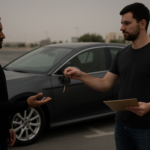








Sell Your Used Car FAST in Al Nahyan: The Complete Guide to Getting Fair CASH TODAY
# Sell Your Used Car Fast in Al Nahyan: The Complete Guide to Getting Fair Cash Today
Selling a used car in Al Nahyan doesn’t have to drain your energy or take months. In fact, most people who work with the right used car buyer in Al Nahyan complete their entire sale within a single day. If you want to sell my car quickly and get paid fair cash, you need to understand your options and know what professional buyers actually look for.
This guide explains everything you need to know about finding a trusted used car buyer near you in Al Nahyan. We’ll cover how the process works, what you can expect to earn, and why choosing a professional buyer beats selling privately.
## Why Al Nahyan Is the Best Location to Sell Your Used Car
Al Nahyan sits right in the heart of Abu Dhabi, which makes it an ideal location for car sales. The area’s central position means professional used car buyers have offices and inspection facilities nearby. You don’t waste time traveling across the emirate to meet buyers or complete paperwork.
Moreover, Al Nahyan attracts more foot traffic and business activity than outer suburbs. Multiple car buying companies operate in and around this neighborhood specifically because of its accessibility. This competition works in your favor—it drives fair pricing because buyers know you have alternatives.
The area also hosts government offices and RTA facilities nearby. When you need to transfer ownership or handle registration changes, these departments are within reach. Professional used car buyers in Al Nahyan understand the local administrative process because they handle these transactions daily.
Additionally, Al Nahyan residents tend to earn stable incomes and live in a relatively affluent community. This means the vehicles sold here are often well-maintained and attractive to secondary buyers. When you sell my car in this area, you’re typically dealing with vehicles that hold value well.
## Understanding the Used Car Market in Abu Dhabi
Before you contact a used car buyer in Al Nahyan, you need to know what your vehicle is actually worth. The Abu Dhabi market has specific factors that affect pricing. Knowing these factors helps you recognize fair offers and avoid lowball quotes.
Vehicle age matters significantly. Cars older than 10 years experience steeper depreciation curves. However, certain brands like Toyota and Hyundai hold value better than others across all age ranges. Your car’s specific make and model determines how quickly it loses worth.
Mileage directly impacts price. Most professional buyers expect roughly 15,000 to 20,000 kilometers per year for average Abu Dhabi drivers. If your vehicle has significantly higher mileage, expect lower offers. Conversely, well-maintained cars with low mileage command premium prices.
The vehicle’s condition matters more than many sellers realize. Professional buyers check for accident history, mechanical issues, and cosmetic damage. Cars with clean accident records attract higher bids. Even minor collision damage can reduce your vehicle’s value by 10 to 20 percent.
Registration status directly affects your sale. Vehicles with current registration and valid insurance transfer more easily. Cars with expired registration require additional work from the buyer, which they’ll reflect in lower offers. Similarly, vehicles registered under financed loans complicate the sale process unless the loan is fully paid.
Fuel type influences market demand. In Abu Dhabi, petrol vehicles remain most popular. Hybrid vehicles appeal to environmentally conscious buyers but represent a smaller market. Diesel cars face mixed demand depending on their purpose.
Seasonal trends also shift prices slightly. Peak buying seasons in the UAE typically occur after summer holidays and before the winter months. Selling during these periods might yield slightly better offers.
## How Professional Used Car Buyers Evaluate Your Vehicle
When you decide to sell my car to a professional buyer, they follow a systematic evaluation process. Understanding what they look for helps you prepare your vehicle and know what to expect.
The inspection begins with a visual assessment. The buyer examines the exterior paint, checks for rust, and looks for dents or scratches. They assess whether the car has been in accidents by checking for misaligned panels or repainted sections. Professional inspectors can often spot accident history that untrained eyes miss.
Next, they examine the interior condition. Seat wear, dashboard condition, and steering wheel wear reveal how much the car was used and how carefully owners treated it. Cleanliness and maintenance of interior components suggest whether the owner performed regular maintenance.
The mechanical inspection is crucial. Buyers check the engine, transmission, suspension, and brake system. They listen for unusual sounds that indicate mechanical problems. Many professional buyers use diagnostic computers to identify hidden issues that might not be obvious during a basic test drive.
The chassis number verification is essential. Buyers photograph the chassis plate and scan it to verify it matches the vehicle registration. This step protects both the buyer and the seller by confirming the vehicle is legitimate and legally registered. Subsequently, they cross-reference this information with MOI records to check for any accidents or theft reports.
Buyers review your complete service history. Regular maintenance records increase your vehicle’s value significantly. If you have documented oil changes, filter replacements, and major service records, your offer will be higher. Conversely, vehicles with no service history receive lower bids because the buyer cannot confirm maintenance was performed properly.
They verify insurance and registration documents. Valid insurance shows the car passed recent safety checks. Current registration confirms you paid all government fees. These documents are crucial because the buyer will need them to transfer ownership.
Finally, professional buyers test drive your vehicle. They evaluate how it accelerates, handles, brakes, and sounds. Additionally, they check whether all features work correctly—air conditioning, power windows, lights, and entertainment systems.
## What Makes One Used Car Buyer Better Than Another
Not all used car buyers in Al Nahyan operate with the same standards. Some companies prioritize speed while cutting corners on fair pricing. Others focus on transparency and building long-term customer relationships. Understanding the difference helps you choose wisely.
The best buyers offer competitive pricing based on real market data. They use documented valuations rather than guessing or using outdated price guides. Additionally, they provide detailed explanations for their offers. If a buyer makes an extremely low offer without justifying it, that’s a red flag.
Transparent buyers explain exactly what deductions they’re making and why. For example, they might say: “Your vehicle needs new brake pads, which costs 800 AED to replace. We’re deducting that from the offer.” They don’t make mysterious deductions you can’t understand or question.
Professional buyers handle all paperwork themselves. They manage the RTA transfer, handle MOI clearance, and complete ownership documentation. You shouldn’t need to visit multiple government offices or handle complex paperwork yourself. The buyer should manage this as part of their service.
Reputable companies offer same-day payment. Once you accept an offer and paperwork is complete, you get paid immediately. This might be cash, bank transfer, or cheque—whatever method you prefer. Buyers who delay payment or offer installments are less reliable.
The best used car buyers in Al Nahyan provide free valuations and inspections. You shouldn’t pay to find out what your vehicle is worth. Professional companies absorb these costs because they handle high transaction volumes.
Trustworthy buyers offer free vehicle pickup if needed. If your car doesn’t drive safely, a legitimate buyer will tow it at no charge. This service should never come with hidden fees.
Finally, excellent buyers have positive customer reviews. Check online feedback and ask about their reputation with previous sellers. Reviews reveal whether companies follow through on promises and treat customers fairly.
## The Complete Process: From Initial Quote to Payment
Understanding how the sale process works reduces anxiety and helps you prepare mentally. Here’s exactly what happens when you choose to sell my car to a professional buyer.
**Step One: Get Your Free Quote Online**
Start by providing your vehicle information online or via WhatsApp. You’ll need the make, model, year, color, mileage, and general condition. Include any damage or mechanical issues you’re aware of. The more accurate your information, the more precise the initial quote.
Professional buyers will offer a preliminary quote within minutes. This isn’t a final offer—it’s an estimate. The final price depends on the in-person inspection. However, legitimate companies rarely adjust quotes dramatically after inspection if you provided accurate initial information.
**Step Two: Schedule Your Inspection**
Once you receive the initial quote, the next step is scheduling an inspection. The buyer will offer multiple time slots so you can choose what works best. Many companies offer evening and weekend inspections specifically to accommodate working people.
You can choose where the inspection happens. Some buyers come to your home, others prefer their showroom. If your vehicle doesn’t drive safely, they’ll arrange towing. There’s no cost for this service regardless of whether you proceed with the sale.
**Step Three: Complete the Inspection**
When the buyer arrives, they’ll spend 30 to 60 minutes evaluating your vehicle thoroughly. They’ll check the engine, test all features, review your documentation, and scan the chassis number. They’ll also take photographs and notes.
During this time, feel free to ask questions. Professional buyers welcome your questions because transparency builds trust. They’ll explain what they’re checking and why certain conditions affect the price.
After inspection, the buyer will make their final offer. If there were surprise issues they didn’t see in your initial description, they’ll explain the adjustment. However, legitimate buyers don’t use the inspection as an opportunity to dramatically lowball you after you’ve committed your time.
**Step Four: Accept the Offer and Begin Paperwork**
Once you agree on price, the buyer begins preparing ownership transfer paperwork. They’ll need your original registration card, ID copy, and insurance details. They’ll also need to verify that any outstanding loans are paid off.
The buyer handles all communication with RTA and MOI. They’ll submit the necessary forms and track the process. This step usually takes one to three business days depending on how busy government offices are.
**Step Five: Complete Final Payment**
Once all paperwork clears and RTA confirms the transfer, you receive payment. The buyer will offer multiple payment methods—cash, bank transfer, or cheque. Choose whatever method makes you most comfortable.
Legitimate buyers pay you the same day paperwork is finalized or the next business day at latest. You shouldn’t wait weeks for payment. Once you receive funds, the transaction is complete and the vehicle officially belongs to the buyer.
## Why Selling to a Professional Beats Private Sales
Many people consider selling their car privately to avoid middlemen. However, private sales involve hidden costs, risks, and tremendous time investment that most sellers don’t initially consider.
Private selling requires creating detailed advertisements with photos and descriptions. You’ll need to use multiple platforms—Dubizzle, Facebook Marketplace, Instagram, and maybe classified websites. This alone consumes hours of your time.
Next comes the waiting period. Private sales typically take weeks or months to complete. During this time, your vehicle sits in your driveway, potentially accumulating dust, minor damage, or mechanical issues that develop from sitting idle. Every passing week makes your car less desirable.
Then you face multiple potential buyers, many of whom lack serious intent. They want to test drive without commitment, negotiate aggressively, and waste your time with lowball offers. Managing these interactions is exhausting and time-consuming.
Private sales create safety concerns. You’re inviting strangers to your home or meeting unknown people in public spaces. The process exposes you to scams, fraud, and potentially unsafe situations.
Additionally, private sellers handle their own paperwork. You must arrange RTA visits, submit documents, and manage the ownership transfer yourself. One mistake could delay the sale or create legal complications.
Private buyers often negotiate ruthlessly. They know you’ve been waiting weeks for an offer and might pressure you to accept less than fair market value. Without expertise in vehicle valuation, you can’t confidently defend your asking price.
Finally, private sales don’t guarantee the buyer has funds. You might complete negotiations only to discover they can’t secure financing or payment falls through.
Professional used car buyers eliminate all these problems. They complete sales in days, handle all paperwork, provide fair pricing, and pay immediately. The convenience alone justifies working with professionals.
## Getting the Best Value: Preparation Tips Before Meeting a Buyer
Although professional buyers evaluate vehicles as-is, your preparation directly affects the offer you receive. Smart sellers take simple steps that increase their vehicle’s perceived value without major expenses.
Start by cleaning your vehicle thoroughly. Wash the exterior until it shines, vacuum the interior completely, and wipe down all surfaces. A clean car creates a positive first impression and suggests you maintained it well.
Detail the engine bay if it’s safe and simple. Remove obvious debris and wipe down any greasy buildup. A clean engine suggests regular maintenance, which buyers reward with higher offers.
Service your vehicle if critical maintenance is overdue. If your car is due for an oil change and filter replacement, complete this work. These cheap services significantly improve your vehicle’s condition and the buyer’s perception of maintenance history.
Fix minor cosmetic issues if they’re inexpensive. Replace burnt-out light bulbs, touch up obvious paint chips, or repair small interior damage. These small repairs cost far less than the value they add to your offer.
Gather all documentation. Collect your registration card, insurance papers, service records, purchase agreement, and any warranty documentation. Having everything organized shows you’re serious and organized.
Check your service history records. If you maintained your vehicle at authorized dealers, obtain those service records. Print them if they’re digital. Buyers place significant value on documented maintenance.
Address any obvious mechanical issues if affordable. If you know your car needs new brake pads or a battery soon, consider completing this work before the inspection. The small cost often yields higher offers that justify the expense.
Ensure your car is in a condition you’d feel comfortable driving. Don’t attempt to hide mechanical issues. Professional inspectors will find them, and hiding problems damages your credibility and results in lower offers.
## How to Avoid Scams and Fraudulent Buyers
Unfortunately, not every used car buyer operates ethically. While most established companies maintain honest practices, you should know how to identify and avoid scams.
Legitimate buyers never ask for payment upfront. If someone asks you to pay for an inspection, appraisal, or documentation before they make an offer, it’s a scam. Professional buyers absorb these costs as business expenses.
Avoid buyers who pressure you to decide immediately. Legitimate companies understand you want time to consider their offer. They might encourage quick decisions, but they won’t threaten to withdraw the offer if you don’t accept within hours.
Be suspicious of offers far above market value. If a buyer offers significantly more than comparable vehicles are selling for, something is wrong. They might be running a vehicle flipping scam or using fraudulent financing.
Verify the buyer’s credentials. Ask for their RTA license and check the registration in person. Visit their physical location before completing a sale. Legitimate companies operate from established facilities, not temporary pop-up locations.
Don’t accept checks from unknown buyers unless you can verify funds first. Similarly, be cautious of electronic transfer scams where funds supposedly clear but later bounce. Ensure payment clears completely before transferring ownership.
Never sign documents you don’t fully understand. If paperwork seems confusing or contains terms you’re unsure about, ask questions or have a lawyer review it. Don’t let anyone pressure you to sign anything quickly.
Ask about their experience and reputation. Legitimate buyers have been operating for years and have positive customer reviews. They’re happy to discuss their history and provide references from previous customers.
Trust your instincts. If something feels wrong, it probably is. Walk away from deals that make you uncomfortable, even if the price seems good.
## Understanding Accident History and Its Impact on Your Offer
Many sellers worry about accident history affecting their offers. Understanding how buyers assess this factor helps you know what to expect.
In the UAE, MOI maintains records of all reported accidents. When you report a claim to insurance, that information eventually reaches MOI. Professional buyers check these records during evaluation.
The severity of the accident determines the impact on your offer. Minor fender benders that required small repairs might reduce value by 5 to 10 percent. Major accidents involving frame damage or significant structural repairs can reduce value by 30 to 50 percent.
Some accidents never get reported to insurance if the owner paid cash for repairs. However, professional inspectors can often detect previous accidents through physical examination. They look for repainted panels, uneven gaps, and structural repairs.
Disclosure is important. If you had an accident, tell the buyer proactively. Honesty builds trust and demonstrates you’re not trying to hide information. Buyers respect transparency and might offer slightly better terms for vehicles with disclosed minor accidents versus undisclosed damage they discover.
Water damage from flooding significantly impacts value. The UAE’s occasional heavy rains sometimes cause flooding. If your vehicle was flood-damaged, this severely reduces its market value because electrical and mechanical systems often develop problems years later.
The best approach is accepting that accident history affects pricing honestly. Don’t try to hide damage—it will be discovered during inspection. Instead, focus on ensuring the repairs were completed professionally and that your vehicle operates safely.
## The Role of Vehicle Documentation and Registration Status
Documentation directly influences how quickly your sale completes and what price you receive. Understanding these requirements helps you prepare properly.
Your original registration card is essential. This document proves you own the vehicle legally. If you’ve lost your registration, you’ll need to obtain a replacement from RTA before you can sell. Without valid registration, you cannot transfer ownership legally.
Valid insurance is required for the sale to proceed. The vehicle must have active insurance coverage. Most buyers verify insurance status as part of the inspection. If your insurance has expired, renew it before meeting the buyer.
If your vehicle is registered under a loan, you need proof that the loan is fully paid. Banks place liens on vehicles until loan payments are complete. The buyer cannot take ownership until this lien is released. Obtain a clearance certificate from your bank proving the loan is paid in full.
Service records demonstrate maintenance history. While not absolutely required, documented service significantly increases your offer. If you have service records, bring them to the inspection. Digital records work fine, but printed copies are preferable.
The vehicle’s ownership history matters. Cars that have multiple previous owners sometimes raise concerns about their condition or reliability. If you’re the second or third owner, that’s normal and doesn’t negatively impact value. However, if the vehicle has changed hands frequently, buyers might investigate why.
Original purchase documentation helps but isn’t essential. If you have the original sales agreement from when you purchased the vehicle, include it. It provides additional proof of ownership history.
## Timing Your Sale: When to Sell Your Car for Maximum Value
The timing of your sale can affect the price you receive. Understanding market cycles helps you choose optimal moments to sell my car.
The UAE experiences peak buying seasons. After summer holidays end and before winter months, demand for vehicles increases. People returning from vacation often purchase vehicles for commuting. Similarly, before major holidays, buyers prepare for travel. During these periods, professional buyers face higher demand and might offer slightly better prices.
Conversely, summer months typically see lower demand. Many residents travel during extreme heat, and fewer people shop for vehicles. If you must sell during summer, prepare for potentially lower offers.
The beginning of school year in September sees increased vehicle sales. Families upgrading their transportation for school runs create demand. This translates to slightly better offers for sellers.
End-of-month and end-of-quarter periods can work in your favor. Many car buyers have sales targets they must meet. Selling near these deadlines might yield competitive offers as buyers rush to close deals.
From a personal perspective, sell when you truly need to. Don’t delay a sale waiting for the “perfect” market timing if you need cash now. The difference between timing peaks and valleys typically ranges from 5 to 10 percent. If you need funds urgently, waiting months for a slightly better offer doesn’t make financial sense.
## Real-World Questions About Selling Your Car Answered
Understanding practical concerns helps you approach the sale confidently.
**How long does it take to sell my car?** Professional buyers complete sales within one to three days once you accept their offer. This includes inspection, paperwork preparation, and payment. Private sales typically take weeks or months.
**Can I sell my car if it’s under finance?** Yes, but only if you pay off the loan completely first. Obtain a clearance certificate from your bank proving the loan is paid. Then the vehicle is yours to sell without lien complications.
**What’s the fastest way to sell my car?** Contact a professional buyer immediately. Provide accurate vehicle information, schedule an inspection quickly, and accept their offer. Professional buyers complete transactions fastest because they handle paperwork professionally.
**Is it worth getting my car inspected before selling?** Not necessarily by a third party. Professional buyers conduct their own inspections. However, fixing obvious mechanical issues beforehand improves your offer value.
**How much will I get for an old car?** This depends on the vehicle’s age, condition, mileage, and market demand. Even older vehicles have value. Professional buyers consider these factors systematically and offer fair prices for vehicles of any age.
**Do I need to repair my car before selling?** No, but minor repairs often yield higher offers than their cost. Major mechanical work isn’t necessary—buyers accept vehicles as-is. However, addressing cheap maintenance items increases perceived value.
**How accurate are online valuations?** Online tools provide estimates but shouldn’t be considered final. Actual value depends on in-person inspection findings. Professional buyers offer preliminary quotes online, then provide final quotes after inspection.
**What if my car has high mileage?** High-mileage vehicles receive lower offers, but they still have value. Many buyers specifically purchase high-mileage vehicles for commercial use or parts. Professional buyers offer fair prices for any mileage.
**Can I get cash same-day?** Yes. Once you accept the offer and paperwork clears, legitimate buyers pay immediately. This might be same-day or next business day, depending on when you finalize the sale.
**What documents do I absolutely need?** You need your original registration card, ID copy, and insurance details. If the vehicle is financed, you need proof the loan is paid. All other documentation is helpful but not strictly required.
**What’s the cheapest way to sell my car?** Selling to a professional buyer is actually economical when you calculate the true costs of private sales. Private sales require advertising costs, gas to meet buyers, and weeks of your time. Professional sales have zero costs to you.
## Why Choosing iCarsU.com Makes Sense for Al Nahyan Sellers
If you’re ready to sell my car in Al Nahyan, working with an experienced professional buyer saves time and maximizes your return.
Professional buyers with 14 years of experience understand Abu Dhabi’s market thoroughly. They know what vehicles are in demand, what prices are currently fair, and how to complete transactions smoothly. This expertise means you receive accurate valuations quickly.
Experienced companies have relationships with RTA and MOI staff. They understand administrative procedures deeply and navigate them efficiently. What might take you weeks of office visits, they complete in days through established processes.
Professional buyers handle complexity with ease. Whether your vehicle has accident history, missing documentation, or mechanical issues, experienced companies know how to address these situations fairly and legally. They’ve encountered every scenario multiple times.
Established companies offer transparent pricing. They show you their valuation process, explain deductions clearly, and stand behind their offers. You know exactly where your money comes from and why you’re receiving that specific amount.
Most importantly, professional buyers complete sales quickly. You could spend weeks advertising and managing private buyer inquiries, or you could contact an experienced buyer today and complete your sale within days. The time you save has value beyond the money itself.
When you’re ready to stop dealing with the stress of selling your used car and want to work with professionals who genuinely understand your situation, reach out to experienced buyers in Al Nahyan who have helped hundreds of sellers achieve their goals. Contact them today via WhatsApp to start your sale immediately. Your quick resolution is just a conversation away.
What specific documents do I need if I want to sell my car in Al Nahyan with an outstanding car loan?
You’ll need to obtain a loan clearance certificate from your bank proving that all outstanding payments have been made. This document releases the lien on your vehicle and allows the buyer to take full ownership. Without this certificate, the sale cannot proceed legally, as the bank technically holds ownership until the loan is fully paid off.
How do professional used car buyers in Abu Dhabi determine if my vehicle has unreported accident damage?
Professional inspectors use multiple methods to detect undisclosed accidents. They examine paint thickness with specialized tools to identify repainting, check for misaligned body panels and uneven gaps, inspect for welding marks on the chassis, and scan MOI records for any reported incidents. Their experience allows them to spot repairs that untrained eyes would miss, so honesty about your vehicle’s history is always the best approach.
Are there any additional fees I should expect when I sell my car to a professional buyer in Al Nahyan?
Reputable professional buyers charge no hidden fees to sellers. They cover all costs including inspection, valuation, paperwork preparation, RTA transfers, and documentation handling. The price they quote is the amount you receive—there are no deductions for administrative work or surprise charges. If a buyer mentions unexpected fees, that’s a red flag indicating they may not be trustworthy.
Can I sell my car if the registration has expired or if I haven’t renewed my vehicle insurance recently?
You can still sell your vehicle, but expired registration and insurance will negatively impact your offer. Professional buyers prefer vehicles with current documentation because the transfer process moves faster. If your registration or insurance has lapsed, renewing them before the inspection could potentially increase your final offer, as it shows the vehicle is legally compliant and requires less administrative work from the buyer.
What’s the typical price difference between selling my car during peak season versus off-season in Abu Dhabi?
Price differences between peak and off-seasons typically range from 5 to 10 percent. Peak buying seasons after summer holidays and before winter months see higher demand and potentially better offers. However, if you need cash urgently, waiting several months for a marginal price increase rarely makes financial sense. The convenience and speed of selling to a professional buyer often outweigh seasonal price variations.
Add a comment Cancel reply
Categories
- Abu Dhabi (2)
- Accident History (2)
- Accidents (3)
- Car Registration (1)
- GCC Specs (3)
- Imported (3)
- Sell a car (1)
- Specs (1)
- Uncategorized (35,661)
Recent Posts
Related posts


Sell Your Car with Ownership Transfer in Abu Dhabi: The Complete Guide
iCarsU.com
May 10, 2026
Sell Your Car Near Al Raha Beach Abu Dhabi: The Complete Guide to Getting CASH FAST
iCarsU.com
May 10, 2026
We work by appointments only. Please call or text to arrange an appointment first
Service Areas: Abu Dhabi (Head Office), Dubai, Sharjah, Ajman, Ras Al Khaimah, Fujairah, Umm Al Quwain.

Westburry Tower, 3rd Floor, Marasi Drive, Business Bay, Dubai, UAE
 English
  Arabic