









Sell Your Car in Abu Dhabi: The Fastest Way to Get CASH TODAY
# Sell Your Car in Abu Dhabi: The Fastest Way to Get Cash Today
Selling your car doesn’t have to be stressful or time-consuming. Whether you own a newer vehicle or an older model, you can sell your car quickly in Abu Dhabi without the hassle of private buyers or lengthy dealership negotiations. iCarsU.com has helped thousands of car owners across Abu Dhabi turn their vehicles into cash in just days.
## Why Selling to a Professional Car Buyer Beats Other Methods
When you decide to sell your car, you face several options. You might try listing it privately on classified sites. Alternatively, you could contact multiple dealerships. However, the fastest and most straightforward approach involves working with professional car buyers who specialize in purchasing used vehicles.
Professional buyers understand the Abu Dhabi market. They know what cars sell quickly and which ones need more marketing. More importantly, they remove the burden of advertising, negotiating with multiple buyers, and handling paperwork yourself. Instead of waiting weeks or months for the right offer, you can receive a cash quote in hours.
Additionally, professional car buyers handle all the complicated aspects of the sale. They manage the vehicle inspection, conduct the paperwork, and arrange ownership transfer through the RTA (Road and Transport Authority). This means you avoid the stress of dealing with the Department of Transport directly.
## Understanding the Current Used Car Market in Abu Dhabi
The used car market in Abu Dhabi is extremely active. Thousands of buyers search for vehicles every month. However, this competition also means private sellers face challenges. Your listing competes with hundreds of others on popular platforms. Meanwhile, professional dealers have established customer bases and marketing advantages you simply cannot match as an individual seller.
Market prices fluctuate based on several factors. The car’s age, mileage, condition, and brand all affect its value. Luxury vehicles like Lexus and Range Rover maintain stronger resale values than economy cars. Japanese brands such as Toyota and Honda also perform well in the secondary market. Understanding these trends helps you set realistic expectations for your sale.
The best time to sell your car is now. Vehicle values decrease over time. Each month your car ages, its market value drops. Therefore, delaying your sale means accepting a lower offer eventually. Professional buyers assess your vehicle’s current market value accurately, ensuring you receive fair compensation today rather than less money later.
## How to Get the Best Price for Your Used Vehicle
Getting the best price starts with honest assessment. You need to understand what your car is actually worth in the Abu Dhabi market. Many sellers overestimate their vehicle’s value because they focus on what they paid originally. Instead, focus on comparable vehicles currently listed in your area. Check similar models, years, and conditions to gauge realistic pricing.
Next, prepare your vehicle for valuation. Clean the interior thoroughly and wash the exterior. Remove personal items from the cabin. Fix any small issues like burnt-out bulbs or missing trim pieces. These simple steps signal that you maintained your car properly, which justifies a higher offer. Buyers perceive well-maintained vehicles as more reliable.
Document your vehicle’s service history. If you have maintenance records from authorized service centers, gather them together. Buyers specifically look for regular oil changes, filter replacements, and timely repairs. A documented history proves you didn’t neglect your car. This directly influences the price buyers offer.
Furthermore, address mechanical issues transparently. If your vehicle has known problems, disclose them upfront. Trying to hide issues only damages your credibility. When buyers discover hidden damage during inspection, they lower their offers significantly or walk away entirely. Honesty protects your reputation and often results in better final offers.
## What Inspectors Look For When Evaluating Your Car
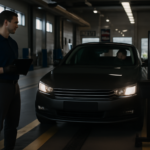
Professional car inspectors follow a comprehensive checklist. Understanding what they examine helps you prepare properly and anticipate their findings. The inspection process typically takes between 30 minutes and one hour. During this time, inspectors evaluate every aspect of your vehicle systematically.
First, they examine the car’s exterior condition. They look for dents, scratches, rust spots, and paint damage. They check if all lights function properly. They inspect tires for remaining tread depth and wear patterns. They verify that all doors, windows, and locks operate smoothly. They also check the vehicle identification number (VIN) to confirm it matches the ownership documents.
Inside the cabin, they assess seat condition, upholstery damage, and carpet staining. They test all electrical features including air conditioning, heating, and the entertainment system. They check dashboard warning lights and verify that the odometer reading is consistent with the vehicle’s documented history. They also inspect safety features like airbags and seatbelt functionality.
Under the hood, inspectors evaluate the engine condition carefully. They check fluid levels including oil, coolant, and brake fluid. They look for leaks, corrosion, and damage to engine components. They examine the battery condition and test starting functionality. They verify that the engine runs smoothly without unusual noises.
The suspension and brake system receive detailed attention. Inspectors check brake pad thickness and rotor condition. They listen for unusual noises when testing the brakes. They examine suspension components for wear and damage. They test steering responsiveness and check for any play or looseness in the steering wheel.
Additionally, they verify that all service records match the vehicle’s actual condition. Recent service work should show corresponding maintenance on the odometer and in the documentation. Gaps in service history sometimes raise concerns about possible hidden damage or neglect.
## The Step-by-Step Process for Selling Your Car in Abu Dhabi
Once you decide to sell your car, the process involves several clear steps. Understanding this process removes anxiety and helps you prepare properly.
**Step One: Get Your Documentation Ready**
Gather all required paperwork before contacting a buyer. You’ll need your vehicle registration document (Mulkiya). You should also have your ownership proof and any valid insurance documents. If you have a car loan or financing, obtain a letter from your bank stating the loan balance and payoff requirements. Additionally, collect service records and warranty documents if available.
**Step Two: Request a Quote**
Contact iCarsU.com through WhatsApp or fill out the online quote form. Provide basic information about your vehicle including the make, model, year, and current mileage. Mention the car’s overall condition and any known issues. You can also upload photos showing the vehicle from multiple angles. The team will review your information and provide an initial quote within hours.
**Step Three: Schedule an Inspection**
Once you accept the initial quote, schedule a convenient time for the vehicle inspection. The inspection typically happens at your location in Abu Dhabi or at iCarsU.com’s facility. During this appointment, a professional inspector will thoroughly evaluate your vehicle and confirm the quoted price or adjust it based on actual condition.
**Step Four: Finalize the Agreement**
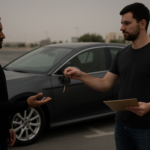
After inspection, if you’re satisfied with the final offer, you’ll sign the purchase agreement. This document outlines the sale terms, price, and any conditions. Make sure you understand every detail before signing. You should receive a copy for your records.
**Step Five: Complete the RTA Transfer**
The final step involves transferring vehicle ownership through the RTA. iCarsU.com handles most of this paperwork for you. However, you’ll need to attend the RTA office with your ID, the original registration document, and the signed agreement. The transfer process usually takes between 30 minutes and two hours depending on RTA queue times. Once complete, the vehicle officially belongs to the new owner.
**Step Six: Receive Your Payment**
After successful RTA transfer, you receive payment. Most professional buyers offer bank transfer as the payment method. Some also accept cash payments. Clarify the payment method and timing when you sign the agreement. You should receive funds within 24 hours of completing the transfer in most cases.
## How Long Does Selling Your Car Actually Take?
Many sellers wonder about the timeline. The answer depends on several factors. However, professional car buyers typically complete the entire process within 3 to 7 days from initial contact to final payment.
The fastest sales happen when the vehicle is in excellent condition with complete documentation. Sellers who’ve maintained service records and can produce all required paperwork move through the process quickly. These cars often complete the sale in just 3 to 5 days.
Sales that involve loan payoffs take slightly longer. Your bank needs time to process the payoff request and release the lien from your registration document. This typically adds 2 to 3 days to the timeline. However, professional buyers understand this process and don’t rush you.
Vehicles requiring repair or those with unclear title issues take longer. If the RTA has any questions about the vehicle’s history or registration status, the transfer might take additional days. Transparency from the start prevents these delays.
Compared to private sales, professional buyers dramatically reduce the timeline. Private buyers typically need weeks to find interested parties, negotiate prices, and arrange financing. Meanwhile, professional car buyers assess your vehicle’s value immediately and move forward quickly.
## What to Do if Your Car Doesn’t Run
Many sellers worry that non-running cars won’t sell. Actually, professional car buyers purchase vehicles in all conditions, including those that don’t start or drive. This is a significant advantage over private sales where mechanical issues deter most buyers.
If your car won’t run, be honest about the problem. Describe the specific symptoms. Is the engine dead? Does it crank but not start? Does it run rough and stall? The more detail you provide, the more accurate the initial quote will be. Mechanical issues definitely lower offers, but they don’t eliminate the possibility of sale.
For non-running vehicles, the inspection becomes even more important. Mechanics will attempt to diagnose the underlying problem. Sometimes they can identify an affordable fix that explains why the car won’t run. Other times, deeper engine problems exist that require major repairs. Professional buyers factor these costs into their offers.
Many sellers assume junk cars have no value. However, vehicle components hold value even when the car itself doesn’t run. Engines, transmissions, doors, seats, and electronic components can be refurbished and resold. Therefore, even completely non-functional vehicles have residual value that professional buyers can assess and compensate you for.
## Selling a Financed Car: What You Need to Know
If you’re still paying a car loan, you can still sell your vehicle. However, the process requires additional steps. Your bank holds the lien on the vehicle until the loan is completely paid. This means you don’t own the car outright. The registration document reflects this status.
The first step is contacting your bank for the exact payoff amount. Ask specifically what the current balance is and request a payoff letter. This document states the precise amount needed to clear the loan completely. It also specifies a payoff deadline, typically 30 days from the letter’s date.
When you receive a purchase offer from a car buyer, the sale price must be at least equal to your loan balance. If the car is worth AED 25,000 and you still owe AED 20,000, you’ll receive AED 5,000 after the loan is paid. If the car is worth AED 15,000 but you owe AED 20,000, you have an underwater loan. In this situation, you need to pay the difference yourself at closing. Professional buyers understand this situation and can explain your options clearly.
The buyer doesn’t pay you directly. Instead, the payment goes to your bank first. Your bank receives the agreed-upon price, deducts the remaining loan balance, and pays you the difference. This process protects both you and the buyer. Once the bank receives payment, they remove the lien and release the registration document to the new owner.
## Handling Multiple Bids: Getting the Highest Offer
Getting quotes from multiple buyers is absolutely smart. Different buyers have different inventory needs. One company might be looking for exactly your model while another buyer specializes in a different segment. By soliciting multiple quotes, you ensure you’re getting the best market price.
However, avoid sharing quotes between buyers to create artificial competition. Many buyers see this tactic and walk away. Instead, gather quotes independently. Write down each offer with the date and contact person. Compare the final offers objectively based on price, timeline, and convenience.
Some buyers offer higher initial quotes knowing they’ll lower the price after inspection. Watch for this bait-and-switch tactic. Compare the quoted price to the final inspection offer. Reputable buyers shouldn’t differ significantly between quote and final offer unless major undisclosed issues emerge during inspection.
When you narrow down to two or three serious offers, feel comfortable asking each buyer about their timeline and any special considerations. Some buyers might offer faster payment or more flexible arrangements. These factors matter beyond just the cash price.
## Understanding Vehicle Inspection Costs in Abu Dhabi
Many sellers worry about inspection costs. The good news is that professional car buyers handle inspection expenses themselves. You don’t pay anything for the inspection. This is one of the key advantages of selling to a professional buyer rather than trying private sales where you might need to pay for independent inspections yourself.
However, if you want an independent inspection before accepting an offer, you can arrange that yourself. Independent inspections in Abu Dhabi typically cost between AED 200 and AED 500 depending on the inspection company and vehicle type. RTA inspections cost around AED 100. These independent inspections provide valuable information if you want objective verification of your vehicle’s condition before receiving a buyer’s offer.
## Transferring Car Ownership: The RTA Process
The ownership transfer process through the RTA is straightforward when you work with experienced professionals. However, understanding the steps helps you prepare properly.
First, both the seller and buyer must visit the RTA office together. You’ll bring your original registration document (Mulkiya) and a valid UAE ID or passport. The buyer brings similar identification. You’ll also need the signed sale agreement between both parties.
At the RTA counter, submit these documents along with the completed transfer form. The RTA verifies that the vehicle has no outstanding traffic fines, parking violations, or insurance issues. This verification usually takes 15 to 30 minutes. If everything is clear, the RTA processes the transfer immediately.
The RTA then issues a new registration document in the buyer’s name. You receive official documentation confirming that you no longer own the vehicle. This protects you legally and ensures no future violations appear on your record. Keep your copy of the transfer confirmation in your personal files.
The entire process typically takes between 30 minutes and two hours depending on how busy the RTA office is. Peak times like early morning or evening often have longer queues. Professional car buyers know which RTA offices have shorter wait times and can suggest the most efficient timing for your visit.
## Why Vehicle History Matters More Than You Think
Buyers check vehicle history extensively. This includes accident history, title status, and service records. The UAE maintains detailed records through the RTA database. Any accidents you reported go into this database permanently.
Your vehicle’s history directly affects its market value. Cars with clean histories command higher prices than those involved in accidents. Even minor accidents that seem insignificant lower resale value substantially. Therefore, honesty about your vehicle’s history is crucial.
If your car was in an accident, disclose this immediately. Explain what happened and what repairs were completed. Provide documentation from the repair facility if available. Trying to hide accident history only backfires when the buyer discovers it during their verification process. At that point, they’ll either withdraw their offer or lower it significantly.
Similarly, if your vehicle has a salvage title or was previously written off as a total loss, you must disclose this. These vehicles have greatly reduced value. However, some buyers specialize in salvage vehicles and can offer fair prices. Transparency prevents legal complications later.
Service records also matter substantially. Vehicles with documented maintenance from authorized service centers show that you cared for your car properly. This translates directly into buyer confidence and higher offers. Conversely, gaps in service history raise red flags about potential hidden damage.
## Preparing Your Car for a Quick Sale
Simple preparation significantly improves your selling experience. You don’t need to invest in major repairs. Instead, focus on presentation and transparency.
Start by thoroughly cleaning your vehicle. Wash the exterior and wax it if possible. Vacuum the interior carpets and seats. Wipe down all dashboard surfaces. Clean the windows inside and out. Remove any air fresheners, stickers, or personal decorations. A clean car creates an immediate positive impression that influences buyer perception.
Address any minor maintenance issues. Replace burned-out headlight bulbs. Top off all fluid levels. Ensure all wipers are functioning. Test all electrical features including windows, locks, and lighting. These small fixes cost little money but signal that you maintained your vehicle properly.
Don’t attempt major repairs yourself unless you’re experienced. For example, if your engine has a small oil leak, fixing it might cost AED 300. However, attempting this yourself and failing could cost thousands in repair bills. Let the professional buyer handle this assessment. They might work with your quote to account for known issues.
Take high-quality photos of your vehicle from multiple angles. Include shots of the exterior condition, interior, engine compartment, and mileage. These photos should be honest representations. Professional buyers appreciate accurate photos that prevent surprises during inspection.
## Red Flags That Hurt Your Sale Price
Certain issues consistently reduce offers. Understanding these factors helps you set realistic expectations.
Extreme mileage is a major factor. Vehicles with over 200,000 kilometers face significantly reduced offers. Each additional 10,000 kilometers typically reduces value by approximately AED 200 to AED 500 depending on the vehicle type.
Extensive interior damage affects offers considerably. Torn upholstery, stained carpets, and cracked dashboards signal neglect to buyers. These cosmetic issues might seem minor, but they substantially impact offers. Professional detailing sometimes helps, though major damage is expensive to repair.
Mechanical problems always reduce prices. Engine problems, transmission issues, and suspension damage are expensive repairs that buyers factor into their offers. Flood damage is particularly problematic. Vehicles damaged in flooding might seem fine initially, but electrical and mechanical problems appear later. Buyers are extremely cautious about flood-damaged vehicles and often decline them.
Missing documents hurt your sale significantly. If you can’t provide the registration document or have missing service records, buyers worry about the vehicle’s history. Locate these documents before contacting buyers.
Outstanding traffic fines and violations create legal problems. The RTA won’t transfer ownership if fines remain unpaid. Clear any violations before attempting to sell your vehicle. Contact the RTA directly if you’re unsure about outstanding fines.
## The Online Sales Process: Quick and Convenient
Online sales are significantly faster than traditional methods. You can start the process from your home without visiting multiple dealerships. Everything happens through WhatsApp, email, or the online form.
The process begins when you fill out the vehicle information form online or contact via WhatsApp. You provide basic details about your car and upload photos. The buyer’s team reviews this information and provides an initial quote. This entire step takes just hours.
Next, you schedule the inspection through the same platform. You select a convenient time and location. The inspection typically happens at your home or workplace. After the inspection, you negotiate the final price if needed.
Once you agree on price, you sign the purchase agreement through the online platform. Many buyers now offer electronic signatures, eliminating the need for in-person signing. You can review and sign documents at your convenience.
The final steps involve RTA transfer and payment. The buyer arranges most of this process. You simply attend the RTA appointment with the required documents. Payment follows immediately after the transfer completes.
This streamlined process eliminates the hassle of multiple in-person visits. You’re not driving between dealerships or meeting with multiple private buyers. Instead, professionals handle the evaluation and purchase efficiently.
## Comparing Your Options: Private Sale vs. Professional Buyer
Choosing between selling privately and using a professional buyer depends on your priorities.
Private sales might theoretically yield higher prices. You eliminate the middleman profit margin. However, private sales take much longer. You must list your car, respond to inquiries, show the vehicle to multiple potential buyers, and negotiate prices. This process typically takes 4 to 8 weeks or longer.
Private buyers often have financing contingencies. They might promise to purchase but then struggle to arrange a bank loan. This uncertainty wastes your time. Additionally, private buyers might demand repairs or price reductions after showing their mechanic the car.
Professional buyers offer speed and certainty. You know the timeline and final price quickly. The process is straightforward without surprises. You don’t need to show your car repeatedly to different people. Paperwork is handled professionally, reducing your administrative burden.
The professional buyer’s fee is worth the convenience and certainty. Instead of spending weeks selling privately, you can have cash in your account within days. For most sellers, this convenience and speed outweigh the slightly lower cash price.
## Why Abu Dhabi Sellers Choose Professional Buyers
Sellers in Abu Dhabi increasingly prefer professional car buyers for practical reasons. The local market understands that professional buyers offer genuine value beyond just the purchase price.
First, Abu Dhabi’s real estate and employment situation creates natural seller needs. Expatriates relocating back to their home countries need to sell quickly. They don’t have time for lengthy private sales. Professional buyers provide solutions for these urgent situations.
Second, Abu Dhabi’s population works demanding schedules. Finding time to show cars to multiple buyers is difficult. Professional buyers come to your location at convenient times. This flexibility matters enormously to busy professionals.
Third, Abu Dhabi buyers understand that professional assessment ensures fair pricing. Rather than hoping to find the perfect private buyer willing to pay a premium, accepting a fair professional offer removes stress and uncertainty. Many sellers value peace of mind more than pursuing the absolute maximum price.
## Maximizing Your Cash Offer
Getting the best possible price requires strategic thinking beyond just the vehicle’s condition.
Timing influences your offer. If a buyer currently has high demand for your vehicle type, they might offer more. For instance, if the market is short on family SUVs and you’re selling an SUV, buyers might compete for your vehicle. Conversely, if the market is flooded with similar cars, expect lower offers.
Your documentation completeness affects pricing. Complete service records justify higher offers. Missing paperwork creates suspicion that leads to lower bids.
Your transparency impacts the offer significantly. Disclosing known issues upfront prevents surprises that reduce offers after inspection. Some buyers actually increase their bids for honest sellers because they trust the information provided.
Your flexibility on timing helps too. If you’re willing to close quickly, buyers sometimes offer slightly higher prices. If you demand a specific timeline that’s inconvenient, they might lower their bids accordingly.
## Getting Your Quote Started Today
Beginning the selling process is simple. Contact iCarsU.com through WhatsApp or visit the website. Provide basic information about your vehicle. Answer honestly about its condition and any known issues. Upload photos if you have them available.
You’ll receive an initial quote within hours. This quote is non-binding and confidential. Getting a quote doesn’t obligate you to sell. It simply provides information to help you make a decision.
If you’re satisfied with the quote, schedule an inspection. Choose a convenient location and time. The inspection takes about 30 minutes to one hour. During this time, the inspector evaluates your vehicle thoroughly and confirms whether the quoted price stands or needs adjustment.
After inspection, if you’re happy with the final offer, you sign the agreement and the process moves forward. If you’re not satisfied with the inspection offer, you can decline without obligation. There are no hidden fees or complications.
The team at iCarsU.com handles all the complex paperwork and coordination. They arrange the RTA transfer, coordinate timing with you, and ensure everything proceeds smoothly. You simply attend the RTA appointment with your documents and receive payment shortly after the transfer completes.
Getting cash for your car in Abu Dhabi has never been simpler. Whether your vehicle runs perfectly or has known issues, professional car buyers can help. The speed, certainty, and convenience of selling to an established buyer makes it the logical choice for modern car owners. Reach out today to discover exactly what your car is worth and how quickly you can turn it into cash.
Can I sell my car in Abu Dhabi if it has outstanding traffic fines?
No, you cannot complete the RTA ownership transfer if your vehicle has outstanding traffic fines or violations. The Road and Transport Authority will not process the transfer until all fines are cleared. Before contacting a professional buyer, visit the RTA website or office to check for any outstanding violations on your vehicle. Pay any fines immediately to ensure a smooth sale process. Once cleared, you’ll have no issues transferring ownership to the new buyer.
What happens if the sale price is lower than my outstanding car loan balance?
If your vehicle is worth less than you still owe on the loan, you have what’s called an underwater loan. In this situation, you’ll need to pay the difference from your own funds at the time of sale. For example, if your car is worth AED 15,000 but you still owe AED 20,000, you must bring AED 5,000 to the closing to clear the loan completely. Professional car buyers can explain your options clearly and help you understand the numbers before you commit to selling.
How do I verify that a professional car buyer in Abu Dhabi is legitimate?
Check for established business credentials, customer reviews, and years of operation in the Abu Dhabi market. Legitimate professional buyers have physical offices, professional websites, and verifiable contact information. They’re transparent about their pricing process and don’t pressure you into quick decisions. Ask for references from previous customers if possible. Be cautious of buyers who operate only through informal channels or refuse to provide documentation. Established companies like iCarsU.com have been helping thousands of Abu Dhabi residents and maintain professional standards throughout the process.
Will selling my car to a professional buyer affect my insurance or driving record?
No, selling your car to a professional buyer does not affect your personal driving record or insurance history. Once the RTA transfer completes and the new owner’s name appears on the registration document, you are no longer legally responsible for the vehicle. Any future violations, accidents, or issues belong to the new owner. Make sure you retain your copy of the RTA transfer confirmation as proof that you no longer own the vehicle. This protects you completely from any liability after the sale.
Can I negotiate the final price after the professional inspection of my vehicle?
Yes, you can negotiate if the inspection price differs significantly from the initial quote. However, if major undisclosed issues emerge during the inspection, the buyer’s adjusted price reflects the actual repair costs needed. Small price adjustments of AED 500-1000 are normal if minor issues appear that weren’t visible in photos. You have the right to accept or reject the final offer without obligation. If you disagree with the inspection findings, you can request an independent assessment, though this involves additional cost to you.
Add a comment Cancel reply
Categories
- Abu Dhabi (2)
- Accident History (2)
- Accidents (3)
- Car Registration (1)
- GCC Specs (3)
- Imported (3)
- Sell a car (1)
- Specs (1)
- Uncategorized (34,707)
Recent Posts
Related posts


We work by appointments only. Please call or text to arrange an appointment first
Service Areas: Abu Dhabi (Head Office), Dubai, Sharjah, Ajman, Ras Al Khaimah, Fujairah, Umm Al Quwain.

Westburry Tower, 3rd Floor, Marasi Drive, Business Bay, Dubai, UAE
 English
  Arabic