










Hidden Accident Damage in Cars in the UAE: A Complete Guide to Spotting and Avoiding Concealed Car Damage
# Hidden Accident Damage in Cars in the UAE: A Complete Guide to Spotting and Avoiding Concealed Car Damage
When you buy a used car in the UAE, you face a serious risk. Sellers sometimes hide accident damage from buyers. This practice costs thousands of dirhams to honest customers each year. Learning how to spot concealed car damage protects your investment and keeps you safe on Abu Dhabi’s roads.
Hidden accident damage refers to structural or mechanical problems that result from crashes but remain invisible during a quick inspection. Therefore, you need to know exactly what to look for and how professional inspections catch these issues.
## Why Sellers Hide Accident Damage
Sellers understand that disclosed accident history reduces a car’s value significantly. A car involved in even a minor collision loses 10 to 20 percent of its market price immediately. Consequently, some sellers attempt to conceal the damage and sell at full price.
The financial incentive runs deep. Moreover, dealers and private sellers who disclose accidents face longer selling periods and lower offers. As a result, unethical sellers invest in cheap repairs and cosmetic touch-ups instead of honest disclosure.
This creates a dangerous situation for buyers. The car may have underlying structural or safety problems that no amount of fresh paint can hide. Additionally, these hidden issues create liability and insurance complications later.
## Understanding Concealed Car Damage in the UAE Market
The used car market in the UAE presents unique challenges for detecting damage. First, the intense desert heat and sun damage many cars quickly, making it harder to spot previous repairs. Sand storms and salt air near coastal areas accelerate corrosion on vehicles.
Second, Abu Dhabi’s competitive car market encourages some sellers to take shortcuts. They may purchase damaged vehicles cheaply, perform minimal repairs, and resell them at inflated prices. Therefore, you cannot assume that a clean exterior means a sound vehicle.
Third, repair shops in certain areas cut corners on quality. They use substandard parts, skip essential steps, and fail to properly align doors and panels after collision repairs. When you inspect the car yourself, these shortcuts become apparent to a trained eye.
Additionally, many cars imported to the UAE carry hidden accident histories from their country of origin. These vehicles already have structural damage before arriving in Abu Dhabi. Unscrupulous importers then mask the problems and sell locally.
## How to Spot Hidden Accident Damage: The Visual Inspection
Start with the exterior. Walk around the entire vehicle slowly. Look at how light reflects off each panel. Paint thickness varies naturally between factory panels and replacement panels.
Use your eyes to examine panel gaps. Open every door, trunk, and hood. Measure the space between panels with your fingers. Panels that sit too high, too low, or too close together indicate previous collision repairs. Moreover, uneven gaps suggest the body shop did not properly align the frame.
Check door alignment next. Open and close each door smoothly. Listen for grinding or rubbing sounds. Doors that hang crooked or close too hard usually indicate frame damage. Furthermore, windows that do not roll up smoothly suggest bent door frames.
Inspect the paint carefully. Factory paint appears uniform across the entire vehicle. Walk around and observe how the sun hits the panels. Repainted sections often show color variation, particularly in metallic finishes. Additionally, run your hand across the surface. Rough texture indicates sanding and repainting.
Look underneath the vehicle. Lie down and examine the undercarriage. Factory metal shows consistent appearance. Welded seams from frame straightening appear bright and shiny, contrasting with surrounding rusted metal. These fresh welds indicate major collision damage.
Check the hood, trunk, and doors inside. Open the hood and inspect the engine bay frame. Look for paint overspray on plastic components and wiring. Overspray indicates careless repair work. Additionally, examine the trunk floor for signs of welding or fresh paint.
Inspect the headlights and taillights. Press gently on lens covers. Water inside the lights suggests the bumper or light assembly was recently replaced. Furthermore, check that all lights match in age and condition.
## Professional Inspection Methods for Detecting Concealed Car Damage
Professional inspectors use equipment that reveals problems your eyes cannot see. Therefore, you should always invest in a pre-purchase inspection before committing to any used car purchase.
Paint thickness meters measure the layers of paint on each panel. Factory paint measures between 100 and 150 microns. Repainted sections often measure 200 to 400 microns or higher. A professional brings a digital meter and checks every panel systematically.
Moisture meters detect water inside doors, panels, and the interior. Hidden water damage indicates the vehicle experienced flooding or had collision repairs that exposed the interior. Moisture trapped inside metal panels leads to rust and electrical problems later.
Borescope cameras allow mechanics to inspect inside door frames, behind panels, and inside the engine bay. They can photograph welded seams, fresh repairs, and hidden damage without disassembling components.
Computerized diagnostic equipment connects to the vehicle’s onboard computer. Modern cars store repair history in their systems. Mechanics can access data about previous airbag deployments, electrical repairs, and sensor replacements. This data reveals accidents and repairs the seller may not mention.
X-ray and ultrasound technology can detect hairline cracks in metal and structural damage invisible to the naked eye. High-end inspection facilities in Abu Dhabi now offer these advanced services.
## Red Flags That Indicate Hidden Repair Work
Certain warning signs appear consistently in vehicles with concealed accident damage. First, new parts mixed with old parts indicate selective repairs. For example, a brand new bumper attached to a car with worn interior upholstery suggests accident damage.
Second, mismatched wheel conditions often appear on repaired vehicles. If three wheels show normal wear and one wheel looks brand new, the car likely sustained side-impact damage on that corner.
Third, inconsistent tire brands and conditions across all four wheels suggest the car had specific damage repaired. A properly maintained vehicle usually has matching tires.
Fourth, fresh undercoating in spots indicates someone tried to hide welding marks or rust stains. Factory undercoating appears uniform in age and condition.
Fifth, the smell inside the car matters. If you detect a strong chemical odor, the seller recently attempted to mask problems. Fresh air fresheners and new seat covers sometimes hide water damage or mold.
Sixth, missing documentation raises concerns. Request the service history and insurance records. If the seller cannot provide these documents, assume something was hidden. Additionally, check whether the seller maintains records of repairs and maintenance.
Seventh, vague explanations about the car’s history suggest deception. A seller who knows the vehicle well provides detailed ownership history. Sellers who give brief, unclear answers probably hide something.
## The VIN Check: Your First Defense Against Concealed Car Damage
Your vehicle identification number reveals its complete history. Therefore, always check the VIN before negotiating price or making an offer.
The VIN appears on the dashboard driver’s side, inside the driver’s door jamb, and on insurance documents. Compare these numbers carefully. Mismatched VINs indicate theft or fraud.
In the UAE, several services provide VIN checks. Connect to official databases to verify the vehicle’s accident history, ownership changes, and repair records. Additionally, insurance companies maintain claim histories. Request a report showing whether the vehicle filed accident claims.
Abu Dhabi’s Department of Transport provides records of vehicles involved in serious accidents. Check this database for your specific vehicle model and year.
Many reputable used car platforms in Abu Dhabi offer free VIN checks. Additionally, professional inspection companies include VIN reports as standard service. These reports reveal whether previous owners reported damage to insurance companies.
## Water Damage and Flood Indicators
The UAE experiences occasional heavy rainfall and flooding. Cars caught in floods suffer devastating internal damage. Therefore, learning to detect flood damage protects you from expensive repairs.
Open the door and look at the door jamb. Factory paint reaches into the door opening completely. If paint stops at the door edge, someone replaced the door after water exposure.
Inspect the carpet and floor mats. Remove them if possible. Flooded vehicles show permanent watermarks on the carpet and padding underneath. Mold stains and musty odors indicate water damage, even if the seller cleaned the interior.
Check the electric windows and power locks. Flood-damaged vehicles often have intermittent electrical problems. Test every electric component multiple times. Anything that works inconsistently suggests previous water exposure.
Examine the engine bay for rust. New rust forms slowly over months. Rust that appears orange and thick indicates the engine was recently wet. Furthermore, check the battery terminals and electrical connections for corrosion indicating past water exposure.
Open the glove compartment and check under seats. Flood damage leaves mud, debris, and silt in hidden areas. Even after cleaning, traces remain visible in crevices.
Look at the air filter. A water-damaged filter shows discoloration and deterioration. Moreover, the engine may run roughly if water entered the fuel system during flooding.
## Structural Damage: Frame Alignment Issues
Frame damage represents the most serious concealed car damage in the UAE market. Vehicles with bent frames suffer from poor handling, uneven tire wear, and compromised safety. Therefore, identifying frame damage becomes essential.
Test the car’s alignment by driving it in a straight line. The vehicle should track straight without pulling left or right. If the car pulls or drifts despite straight steering input, frame damage likely exists.
Check tire wear patterns carefully. Abnormal wear indicates misalignment caused by frame damage. Inside edges worn more than outside edges suggest frame problems. Additionally, examine all four tires for unusual wear to confirm alignment issues.
Measure door gaps with your hands or a ruler. A bent frame causes uneven gaps between doors and body panels. If one door sits noticeably different from adjacent doors, structural damage occurred.
Open the trunk and examine the rear deck. Look for crinkles, wrinkles, or waves in the metal. These deformities indicate collision impact. Additionally, check whether the trunk closes smoothly and aligns properly with the body.
Inspect the windshield frame. Cracks near the frame edges suggest frame stress from accidents. A windshield that does not sit flush in its frame indicates structural problems.
Look at the steering wheel position. It should sit centered when the wheels point straight. If the wheel sits off-center, frame damage bent the steering column.
## Engine and Mechanical Problems from Hidden Accident Damage
Accident damage extends beyond visible body panels into critical mechanical systems. Therefore, a thorough mechanical inspection reveals whether the collision affected engine performance and safety systems.
Start the engine and listen carefully. Knocking sounds, grinding noises, or rough idling indicate mechanical damage. Moreover, check whether the engine starts immediately and runs smoothly without hesitation.
Examine fluid levels. Check oil, coolant, brake fluid, and power steering fluid. Low fluid levels suggest leaks from collision damage. Additionally, look under the car for fluid stains indicating active leaks.
Test the transmission. Shift through all gears and note whether shifts feel smooth and immediate. Delayed shifts or harsh engagement suggest transmission damage from impact.
Inspect the suspension components. Bounce each corner of the car and release. It should return to normal height immediately. Slow or delayed bouncing indicates suspension damage. Additionally, look underneath for bent or cracked suspension parts.
Check the brake system. Press the brake pedal and note resistance. The pedal should feel firm and responsive. A soft or spongy pedal suggests brake line damage. Furthermore, test the brakes while driving to ensure they stop the car completely.
Examine the steering system. Turn the wheel fully left and right while parked. Listen for grinding sounds indicating damage to the steering column or rack. Additionally, test the power steering by turning the wheel. Resistance or delay suggests hydraulic line damage.
## Airbag and Safety System History
Modern vehicles deploy airbags during collisions. A previous airbag deployment indicates the car suffered significant impact. Therefore, checking airbag deployment history reveals accidents the seller may hide.
Use a diagnostic computer to scan the vehicle’s safety systems. The onboard computer stores deployment records. If airbags previously deployed and were replaced, the computer confirms this history.
Examine airbag covers and steering wheel condition. Fresh stitching on airbag covers indicates recent replacement. Additionally, check whether the airbag warning light illuminates when you start the car. A warning light suggests incomplete repairs or a malfunctioning system.
Look at the headrests and seat structure. Modern vehicles have side-impact airbags in seats. Fresh fabric or new seat covers suggest previous deployment.
Check the dashboard for damage or repairs. Dashboard panels that appear newer than the rest of the interior indicate replacements following airbag deployment.
## Insurance and Legal Implications in Abu Dhabi
Understanding insurance coverage helps you avoid financial disaster with a damaged vehicle. Therefore, verify what the insurance company will and will not cover on a car with hidden accident damage.
In the UAE, insurance companies may deny coverage if you failed to disclose known damage when purchasing the policy. Therefore, always inform your insurer about any damage discovered after purchase.
Request a detailed insurance history from the previous owner. This document shows all claims filed. A car with multiple claims represents a worse risk than a single-claim vehicle.
Check whether the vehicle qualifies for comprehensive coverage. Cars with severe hidden damage may be classified as high-risk. Your insurance premiums will increase accordingly.
Understand the implications of undisclosed damage for resale value. When you eventually sell the car, the next buyer will discover what you hid. This creates legal liability and potential fraud accusations.
Document everything you discover during inspection. Take photographs and video of all damage. Keep these records and the pre-purchase inspection report safely. This documentation protects you legally if disputes arise later.
## The Pre-Purchase Inspection Process
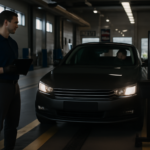
A comprehensive pre-purchase inspection represents your best defense against concealed car damage. Therefore, always invest in professional inspection before making an offer.
The inspector examines the exterior, interior, mechanical systems, and safety features. They use specialized equipment and expertise to detect problems that untrained eyes miss.
During the inspection, ask the mechanic to explain their findings clearly. Request written reports documenting all issues discovered. Furthermore, ask for estimates on repair costs for any problems identified.
A complete pre-purchase inspection costs between 300 and 600 dirhams in Abu Dhabi. This small investment prevents losses many times larger. Moreover, the report gives you negotiating power to reduce the asking price based on identified repairs.
Schedule the inspection at an independent facility, not at a shop owned by the seller. Ensure the inspector operates without pressure or bias. Furthermore, arrange the inspection before signing any paperwork or committing to the purchase.
## Red Flags in the Buying Process Itself
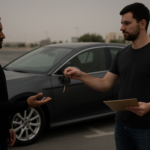
How the seller conducts the sale provides important clues about hidden accident damage. Pay attention to the dynamics and details of the transaction.
Pressure to decide quickly indicates the seller wants to finalize the sale before you discover problems. Legitimate sellers allow reasonable time for inspection and consideration.
Unwillingness to allow independent inspection suggests something is hidden. Moreover, sellers who refuse to provide documentation or history likely conceal damage.
Offers to handle paperwork and registration themselves sometimes mask problems. You should complete all official procedures independently to verify vehicle history.
Sellers who avoid specific questions or change the subject probably hide something. Direct questions deserve direct answers. Vague responses should raise your suspicion.
Pricing significantly below market value indicates damage. Cars priced far lower than comparable vehicles usually have serious hidden problems. While everyone seeks a bargain, unrealistic prices should trigger additional scrutiny.
Private sales without dealership involvement carry higher risk. Dealerships must follow regulations and maintain records. Private sellers operate with fewer restrictions and less accountability.
## What to Do if You Discover Hidden Accident Damage
If you purchase a car and later discover hidden damage, you have options for recourse. Therefore, understand your rights as a buyer in the UAE.
Document all damage with photographs and video. Prepare a written description of what you discovered. Additionally, obtain repair estimates from qualified mechanics showing what repairs cost.
Contact the seller immediately and present your evidence. Many sellers will negotiate a refund or contribution toward repairs when confronted with clear documentation.
If the seller refuses to help, contact the consumer protection department in Abu Dhabi. They investigate fraudulent sales and can force refunds or restitution.
Consult a lawyer specializing in vehicle purchases if significant money is involved. They can write official complaint letters and pursue legal action if necessary.
Report the transaction to the police if you suspect fraud. While criminal prosecution rarely occurs, a police report creates an official record.
Check whether you have legal grounds to rescind the purchase. In the UAE, certain conditions allow buyers to return vehicles within specific timeframes. Your lawyer can advise you on these options.
## Why Professional Inspection Companies Like iCarsU Protect You
Professional used car buying companies have eliminated guesswork from vehicle purchases. Therefore, choosing a reputable company protects you from hidden accident damage risks.
Established companies like iCarsU maintain relationships with trusted mechanics and inspection facilities. They conduct thorough evaluations before making offers. Moreover, they have financial incentive to accurately assess vehicles since they assume ownership of the car.
Companies with long histories in Abu Dhabi know the local market. They understand where damaged vehicles originate and how different damage patterns appear across various makes and models.
Professional companies maintain detailed records and follow regulatory compliance. They document vehicle condition, provide transparency, and operate within legal guidelines that protect consumers.
When you sell your car to a professional company, you avoid the burden of finding buyers and conducting inspections. Furthermore, you eliminate liability for hidden damage that the next owner discovers. The company assumes all risk and responsibility.
Many companies offer immediate payment and handle all paperwork. This simplicity and speed appeal to sellers who want straightforward transactions without complications.
## Taking Action to Protect Your Investment
You now understand how hidden accident damage affects used car purchases in the UAE. Most importantly, you recognize that thorough inspection separates smart buyers from those who suffer expensive losses.
Your next step depends on your situation. If you plan to purchase a used car, schedule a professional pre-purchase inspection before making any commitment. Ask the inspection facility about their experience with concealed damage detection. Furthermore, request references and examples of damage they have discovered previously.
If you currently own a car with suspected hidden damage, obtain professional assessment immediately. Understanding your vehicle’s condition helps you make informed decisions about repairs, resale, or insurance coverage.
If you want to sell your used car in AbuDhabi, choose a buyer who inspects thoroughly and offers fair prices based on actual condition. Companies that pride themselves on accuracy and transparency provide better deals than those who offer vague estimates.
The used car market in Abu Dhabi continues growing, and unfortunately, so do attempts to hide accident damage. However, armed with knowledge about what to look for and how to verify vehicle history, you can navigate this market confidently. Whether you buy or sell, prioritize thorough inspection, complete documentation, and professional guidance. These practices protect your investment and ensure you make decisions based on accurate information rather than hidden problems that damage both your wallet and your peace of mind.
What specific documents should I request from a seller to verify there is no concealed vehicle damage history?
Request the vehicle’s complete service and maintenance records, insurance claim history, original purchase invoice, and warranty documentation. Additionally, ask for receipts of any repairs performed, photographs from the time of purchase, and the original registration documents. In Abu Dhabi, you can cross-reference these documents with official Department of Transport records to ensure the seller’s claims match official databases. If a seller cannot provide these documents, it strongly suggests hidden damage or undisclosed repairs.
How much does a professional inspection to detect hidden collision damage typically cost in Abu Dhabi?
A comprehensive pre-purchase inspection in Abu Dhabi ranges from 300 to 600 dirhams depending on the inspection facility and vehicle type. Some premium inspection services that include advanced diagnostic equipment, paint thickness meters, and computerized analysis may cost between 600 and 1,000 dirhams. While this investment may seem significant, it protects you from purchasing a vehicle with hidden structural or mechanical problems that could cost thousands of dirhams to repair. Many buyers find this inspection fee worthwhile compared to the potential losses from concealed accident damage.
Are there specific car brands or models in the UAE market more likely to have concealed repair work due to accident damage?
Luxury and high-value vehicles are frequently targets for damage concealment because the financial incentive is greater. Imported vehicles from other countries may arrive in Abu Dhabi with hidden accident histories from their previous locations. Additionally, popular models with high resale demand sometimes attract unethical sellers willing to hide damage. Rather than focusing on specific brands, concentrate on individual vehicle inspection and history verification. Every make and model can suffer from concealed damage, so thorough examination matters more than brand reputation.
Can I refuse to buy a used car after the pre-purchase inspection reveals hidden accident damage that the seller did not disclose?
Yes, discovering concealed accident damage through professional inspection before purchase gives you the right to withdraw your offer without penalty, assuming you have not signed a binding contract. You can use the inspection report as leverage to negotiate a significantly reduced price that accounts for necessary repairs. If you have already signed paperwork, consult an Abu Dhabi lawyer immediately about your options for rescission. The UAE provides some consumer protections for vehicles sold with undisclosed material damage, though your specific rights depend on the contract terms and timing of damage discovery.
Should I be concerned about purchasing a used car from a private seller versus a dealership when it comes to hidden accident damage?
Private sellers carry substantially higher risk regarding concealed vehicle damage because they operate with minimal regulatory oversight and accountability. Dealerships in Abu Dhabi must follow government regulations, maintain records, and can face penalties for fraud. Private sellers have fewer restrictions and less motivation to conduct proper inspections before selling. However, both private sellers and dealerships can conceal damage, so never skip professional inspection regardless of the seller type. Always obtain a thorough pre-purchase inspection and complete documentation regardless of whether you buy from an individual or a business.
Add a comment Cancel reply
Categories
- Abu Dhabi (2)
- Accident History (2)
- Accidents (3)
- Car Registration (1)
- GCC Specs (3)
- Imported (3)
- Sell a car (1)
- Specs (1)
- Uncategorized (33,066)
Recent Posts
Related posts

UAE Traffic Accident Data: What You Need to Know About Road Safety
iCarsU.com
April 19, 2026


Car Accident Insurance Check in Ajman: Complete Guide to Verifying Your Vehicle's History
iCarsU.com
April 19, 2026
We work by appointments only. Please call or text to arrange an appointment first
Service Areas: Abu Dhabi (Head Office), Dubai, Sharjah, Ajman, Ras Al Khaimah, Fujairah, Umm Al Quwain.

Westburry Tower, 3rd Floor, Marasi Drive, Business Bay, Dubai, UAE
 English
  Arabic