



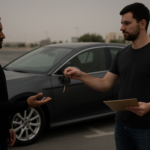








Car Accident and Mileage Fraud in the UAE: What Every Used Car Buyer Needs to Know
# Car Accident and Mileage Fraud in the UAE: What Every Used Car Buyer Needs to Know
What should I do immediately if I discover odometer tampering after purchasing a vehicle in Abu Dhabi?
When you buy a used car in Abu Dhabi or anywhere across the UAE, you face two serious risks that can destroy your investment. First, accident history fraud hides past collisions. Second, odometer tampering reduces mileage readings dishonestly. Together, these scams cost unsuspecting buyers millions of dirhams every year.
This guide reveals exactly how these fraud schemes work. More importantly, it shows you how to detect them before you hand over your money.
## Understanding Odometer Tampering and Crash Car Fraud in the UAE
Odometer tampering remains one of the most common deceits in the used car market. A dishonest seller will roll back the kilometers to make an old vehicle appear newer and less worn. Meanwhile, crash car fraud involves hiding serious accident damage that affects safety and value.
In the UAE, these crimes overlap frequently. A dealer might purchase a damaged vehicle from an auction, repair it cosmetically, roll back the odometer, and sell it as an accident-free, low-mileage car.
The problem runs deep. According to industry reports, roughly one in five used cars sold in the UAE has either hidden accident history or tampered mileage. Furthermore, many buyers never discover the fraud until the vehicle breaks down or they attempt to resell it.
## Why Sellers Commit Km Rollback and Hide Accident History
Understanding the criminal motivation helps you spot red flags. Sellers commit these crimes for simple financial gain. A vehicle that has suffered major crash damage loses 30 to 50 percent of its value immediately. Similarly, a ten-year-old car with 250,000 kilometers worth significantly less than the same model showing only 100,000 kilometers.
Therefore, dishonest sellers manipulate these factors to command higher prices. They invest minimal repair costs and pocket the difference.
Additionally, some dealerships operate systematic fraud rings. These businesses specialize in purchasing accident-damaged vehicles at auctions. They then perform paint jobs and minor repairs. Next, they hire technicians to tamper with odometers. Finally, they create fake service records and sell the vehicles at premium prices.
Moreover, certain individuals flip cars quickly. They buy vehicles with minor accidents, hide the damage with cheap repairs, and sell within days. These rapid turnovers prevent buyers from discovering problems through ownership history checks.
## How Odometer Tampering Works in Modern Vehicles
Traditional odometer rollback involved mechanical manipulation. A technician would physically disconnect the odometer and rotate it backward. Modern vehicles use digital odometers, which creates new vulnerabilities.
Today’s fraud specialists access the vehicle’s electronic control module (ECM). The ECM stores all mileage data. Using specialized diagnostic equipment, technicians can reprogram this module. They reduce the mileage figure to any number they choose. This process leaves minimal traces on basic inspections.
Furthermore, some technicians clone data from multiple vehicles. They might purchase a low-mileage wreck and transfer its electronic records to a high-mileage vehicle. This creates a perfect digital cover story.
The cost of odometer tampering remains surprisingly low. A technician in the UAE charges between 500 and 2,000 AED to alter digital records. Compare this to the 20,000 to 100,000 AED profit margin on a single fraudulent sale. The economics make the crime extremely attractive.
Additionally, hybrid electric vehicles present new opportunities for fraud. Their low mileage appearance makes them targets for odometer rollback schemes.
## Recognizing Hidden Accident Damage and Crash Car Indicators
Accident history affects safety, reliability, and resale value dramatically. A car that suffered structural damage will never perform the same. Furthermore, repair work on frames and suspension components often fails silently over time.
Professional inspectors look for specific warning signs. First, they examine panel gaps between doors, fenders, and trunk. When a vehicle has been in a crash, panels require replacement. Repaired panels never fit perfectly. Therefore, gaps appear uneven.
Second, they check paint thickness using specialized meters. Original factory paint measures between 80 and 120 microns. Repainted panels often exceed 150 microns. Additionally, paint color inconsistency across panels indicates separate repainting.
Third, they inspect welding seams around doors and trunk. Factory welds appear clean and uniform. Collision repair welds look rough and uneven. Sometimes repair shops attempt to hide welds with body filler.
Fourth, they observe suspension components for damage. Bent control arms, cracked struts, and twisted subframes cannot be properly straightened. Even skilled mechanics cannot restore them to factory condition.
Fifth, they check for corrosion and water damage inside the vehicle. Vehicles involved in severe crashes often suffer hidden water infiltration. This corrosion develops slowly but eventually causes electrical failures.
Sixth, they review repair invoices and service history. Legitimate repairs include specific parts replacements. However, fraudsters create fake service records that contain vague descriptions.
## How to Check Vehicle History Before Purchasing in Abu Dhabi
The UAE maintains several official databases for vehicle ownership and accident history. You must access these before making an offer.
First, request a Tasjeel report. Tasjeel operates the official vehicle registration database in Abu Dhabi. Their report reveals the complete ownership history and any recorded accidents. The inspection costs approximately 100 AED and takes one week.
However, Tasjeel reports have limitations. They only include accidents reported to insurance companies. Therefore, minor crashes that owners paid for privately never appear. Additionally, some fraudsters suppress accident reports entirely.
Second, visit an approved inspection center. The UAE requires all used vehicles to pass technical inspection. These centers maintain comprehensive records. However, you should never rely solely on past inspection certificates. Instead, arrange an independent inspection.
Third, conduct an online VIN check using automotive databases. These services match your vehicle identification number against international accident registries. Cost varies from 50 to 300 AED depending on the service depth.
Fourth, obtain the vehicle’s insurance history. Insurance companies maintain detailed claims records. However, they rarely release this information directly to buyers. Instead, ask the seller for written confirmation of their insurance history. Alternatively, contact the insurer directly if the seller provides authorization.
Fifth, inspect the vehicle’s service records thoroughly. Legitimate vehicles accumulate service records over years. Fraudulent service records contain duplicate entries, impossible intervals, or services that don’t match the vehicle’s actual condition.
Sixth, verify the ownership through the General Department of Residency and Foreign Affairs (GDRFA). This government agency maintains official vehicle registration. You can confirm the seller’s name matches the registration and verify the vehicle’s legal status.
## Red Flags That Indicate Mileage and Accident Fraud
Certain warning signs point directly to fraud. When you spot these flags, walk away from the deal immediately.
First, suspiciously low mileage for an older vehicle raises immediate concerns. A car that is eight years old but shows only 60,000 kilometers is highly unusual unless the owner never drove it. Most vehicles in the UAE accumulate 20,000 to 30,000 kilometers annually.
Second, mismatches between mileage records signal fraud. If the previous service records show 150,000 kilometers at a certain date but the current odometer reads 120,000, someone has tampered.
Third, maintenance records that don’t match mileage suggest tampering. If a vehicle shows major component replacements at low mileage, the odometer has likely been rolled back.
Fourth, unusually cheap pricing for a popular model indicates hidden problems. When comparable vehicles sell for 20,000 AED but you find one at 12,000 AED, fraud typically explains the difference.
Fifth, reluctance to provide complete service history raises suspicion. Legitimate sellers maintain all receipts. Fraudsters often claim “the previous owner never gave me the records” or “the service center lost them.”
Sixth, exterior damage repairs without interior wear suggest accident concealment. If the outside looks brand new but the steering wheel shows five years of wear, the vehicle has been in a major crash.
Seventh, mismatched interior and exterior condition indicates hidden damage. A car with a perfectly restored exterior but worn interior components suggests poor repair quality.
Eighth, inconsistent seller stories about the vehicle’s history demonstrate dishonesty. Verify each claim about the car’s ownership, usage, and maintenance.
Ninth, pressure to complete the sale quickly indicates the seller fears discovery. Legitimate sellers allow proper inspection time.
Tenth, cash-only sales requests from private sellers often accompany fraud. Legitimate transactions include documentation and payment trails.
## The Legal Consequences of Odometer Tampering in the UAE
The UAE government takes odometer fraud extremely seriously. Federal law prohibits mileage manipulation under Law No. 32 of 1992 on Trade.
Penalties include heavy fines reaching 100,000 AED. Additionally, prison sentences up to three years are possible for serious offenses. Furthermore, conviction results in vehicle confiscation and permanent damage to the perpetrator’s reputation.
However, enforcement remains inconsistent. Police investigate when complaints are filed. Nevertheless, many victims never report because they don’t realize they were defrauded.
Moreover, if you discover fraud after purchase, you have legal options. UAE law provides protection for buyers against misrepresentation. You can pursue civil lawsuits for damages. Additionally, you may file criminal complaints with traffic authorities.
To strengthen your legal case, maintain all inspection reports and documentation from the moment you discovered the fraud.
## Accident Vehicles and Their Impact on Safety and Resale Value
A vehicle that survived a significant collision suffers permanent structural compromise. Even when repaired properly, it never regains full integrity. Therefore, purchasing a hidden accident vehicle becomes a dangerous decision.
Safety concerns involve potential brake failure, steering response problems, and collision protection diminishment. Structural damage weakens the vehicle’s ability to protect occupants in future accidents.
Financially, accident history destroys resale potential. When you attempt to sell the vehicle later, buyers demand significant discounts. Furthermore, many buyers refuse to purchase accident vehicles regardless of repair quality.
Insurance premiums also increase substantially. Once an accident appears on a vehicle’s history, insurers charge higher rates indefinitely. Over the vehicle’s ownership period, these increased premiums accumulate to substantial amounts.
Additionally, accident vehicles develop ongoing mechanical problems. Suspension components wear faster. Alignment issues cause tire damage. Electrical systems malfunction unexpectedly. These cascading failures become very expensive to repair.
## How Many Kilometers Do Cars Accumulate in the UAE?
Understanding normal mileage patterns helps you identify tampering. Climate and driving conditions in the UAE create specific usage patterns.
Most UAE vehicles accumulate between 20,000 and 35,000 kilometers annually. This exceeds global averages because of the region’s long distances between cities. Furthermore, traffic conditions and road networks encourage frequent driving.
A five-year-old vehicle in the UAE typically shows 100,000 to 175,000 kilometers. A ten-year-old vehicle shows 200,000 to 350,000 kilometers. Exceeding these ranges suggests either professional drivers or commercial use.
Additionally, climate affects mileage patterns. Extreme summer heat damages vehicles faster. Therefore, annual maintenance demands increase. Furthermore, vehicles that run air conditioning continuously require more frequent servicing.
When examining a prospective purchase, compare its current mileage against these benchmarks. If a five-year-old vehicle shows only 40,000 kilometers, either the previous owner never drove it or someone rolled back the odometer.
## Understanding UAE Vehicle Inspection Certificates
The UAE requires periodic vehicle inspections through approved testing centers. These certificates validate that vehicles meet safety and emissions standards.
Inspection certificates must be renewed annually for most vehicles. The certificate includes recorded mileage at the time of inspection. Therefore, these documents create a mileage audit trail.
However, inspection certificates alone don’t prevent fraud. A technician cannot easily detect odometer tampering during routine inspection. Furthermore, if the odometer was already tampered before the inspection, the false mileage becomes officially recorded.
Additionally, some fraudsters use fake inspection certificates. They either forge documents or obtain certificates from inspection centers without actually bringing the vehicle in.
Moreover, inspection validity varies depending on vehicle age and use. You must verify that the current inspection certificate remains valid and matches the recorded mileage progression.
Always cross-reference the mileage on inspection certificates spanning multiple years. If mileage suddenly drops or fails to progress logically, fraud occurred.
## Protecting Yourself: A Comprehensive Inspection Checklist
Before purchasing any used vehicle in Abu Dhabi, conduct thorough verification. This checklist prevents most fraud schemes.
First, request all ownership transfer documents and verify them through GDRFA. Second, obtain the vehicle’s complete service history directly from authorized dealers or independent shops. Third, arrange an independent inspection by a certified technician using diagnostic equipment. Fourth, obtain the vehicle’s insurance claims history. Fifth, verify all recorded mileage across service records and inspection certificates. Sixth, examine the vehicle physically for panel gaps, paint thickness, and structural damage. Seventh, test all electronic systems thoroughly. Eighth, confirm the seller’s identity and ownership legitimacy.
Furthermore, never skip the independent inspection step. This single action catches 85 percent of hidden fraud. Professional inspectors charge 300 to 800 AED but save you from tens of thousands in losses.
Additionally, request the seller provide written declarations regarding accident history. If they refuse or become evasive, abandon the purchase.
## Where to Report Odometer and Crash Car Fraud
If you discover fraud after purchasing a vehicle, report the crime immediately. The UAE provides multiple reporting channels.
First, contact your local police traffic department. They investigate odometer tampering and misrepresentation crimes. Bring all documentation including inspection reports and purchase agreements.
Second, file a complaint with the Department of Trade and Consumer Protection in your emirate. They investigate commercial fraud and can pursue legal action against dealerships.
Third, report the dealership or seller to the UAE Automobile Federation if applicable. They maintain records of fraudulent businesses and can revoke licenses.
Fourth, document everything meticulously. Photograph the vehicle, maintain all inspection reports, keep purchase documentation, and record all communications with the seller.
Fifth, consult with a lawyer specializing in consumer protection. They guide you through civil remedies and help recover damages.
## Choosing a Trustworthy Buyer When Selling Your Vehicle
If you own a vehicle and wish to sell it, select a buyer you can trust. Legitimate buyers conduct proper inspections and pay fair prices based on actual condition.
A reputable buyer verifies your vehicle’s genuine mileage and accident history. They conduct independent inspections rather than relying on seller claims. Furthermore, they pay prices reflecting the vehicle’s actual condition.
Professional buying services in Abu Dhabi offer secure alternatives to private sales. These services conduct thorough checks, provide immediate payment, and handle all documentation. This protects both sellers and buyers from fraud.
When selling to a professional buyer, you receive fair market value without the burden of deception. The buyer accepts responsibility for the vehicle’s condition and history. Moreover, you avoid legal liability if the vehicle later develops problems.
Professional buyers also verify your ownership and ensure clear title transfer. This protects you from future claims and lawsuits.
## Why Professional Evaluation Services Matter
Independent vehicle evaluation services provide protection against fraud. These technicians use specialized equipment and knowledge to detect tampering and hidden damage.
Professional inspectors perform computerized diagnostic scans that reveal odometer tampering attempts. They access the vehicle’s ECM and review mileage records stored in the system. Additionally, they check for inconsistencies between different electronic modules.
Furthermore, they use paint thickness meters to identify repainted panels. They examine welds under magnification for collision repair evidence. Moreover, they perform suspension and frame checks using alignment machines.
Additionally, professional inspectors review the vehicle’s complete service history against current condition. They identify services that don’t align with actual wear patterns.
These inspections cost 300 to 1,000 AED depending on comprehensiveness. However, this investment prevents losses exceeding 50,000 AED or more.
## The Role of Digital Records in Preventing Fraud
Modern technology offers new fraud prevention tools. Digital vehicle history platforms maintain comprehensive records across multiple databases.
These platforms aggregate information from insurance companies, inspection centers, service facilities, and government registries. Therefore, they reveal inconsistencies that isolated checks might miss.
Furthermore, blockchain technology promises future improvements. Immutable digital records would make tampering impossible. Vehicle histories could be permanently recorded in distributed ledgers.
Additionally, artificial intelligence systems can identify fraud patterns. They compare vehicle data against millions of historical records and flag anomalies.
However, current technology has limitations. Not all service facilities report to centralized databases. Furthermore, some fraud occurs so carefully that even diagnostic equipment cannot detect it.
Therefore, multiple verification methods working together provide the best protection. No single tool can guarantee complete fraud detection.
## Moving Forward: Your Action Plan
When shopping for a used car in Abu Dhabi or elsewhere in the UAE, never skip proper verification. The time and money you invest in checking prevents catastrophic losses.
First, establish your budget realistically. Understand fair market values for the specific make, model, year, and condition you seek. Prices significantly below market average indicate problems.
Second, identify the specific vehicle you want to purchase. Research its common problems, typical mileage progression, and average pricing across multiple listings.
Third, arrange a professional inspection before making any offer. This inspection reveals condition and fraud indicators. Moreover, it provides documentation supporting your purchase decision.
Fourth, verify the vehicle’s ownership and registration legitimately through government channels. Confirm the seller’s identity matches official records.
Fifth, obtain complete service history and check mileage progression across all records. Look for logical patterns matching the vehicle’s age and typical usage.
Sixth, request the insurance claims history and accident reporting details. Verify these match the vehicle’s appearance.
Seventh, negotiate pricing based on the vehicle’s actual condition. Don’t accept seller claims at face value.
Eighth, complete all legal transfers properly through official channels. Ensure your ownership documentation is properly registered.
Ninth, obtain comprehensive insurance covering all risks including accident-related complications.
Tenth, maintain detailed records of your purchase and immediately report any discovered fraud to authorities.
When you partner with established buyers like iCarsU.com, you gain access to professional verification services and fair pricing. These professionals conduct thorough inspections and maintain transparent practices. Moreover, they handle all documentation properly and ensure legitimate transactions. Their expertise protects you from the fraud schemes affecting countless unsuspecting buyers throughout the UAE region.
What should I do immediately if I discover odometer tampering after purchasing a vehicle in Abu Dhabi?
If you discover odometer fraud after your purchase, act quickly to protect your legal rights. First, document everything with photographs and written records of the discrepancies you found. Second, obtain an official inspection report from a certified technician confirming the tampering. Third, gather all purchase documentation and correspondence with the seller. Fourth, contact your local police traffic department and file a formal complaint with specific evidence. Fifth, report the fraudulent seller or dealership to the Department of Trade and Consumer Protection in your emirate. Finally, consult with a consumer protection lawyer who can advise you on civil remedies and help you pursue damages or contract cancellation.
How can I verify that a vehicle’s mileage is genuine before making an offer in the UAE?
Verifying genuine mileage requires multiple cross-checks rather than relying on a single source. Request the complete service history from authorized dealers and independent mechanics, then verify that mileage entries progress logically over time. Obtain the vehicle’s inspection certificates from the past three to five years and compare the recorded mileage on each certificate—any decrease or illogical jumps indicates tampering. Arrange a professional diagnostic scan that accesses the vehicle’s electronic control module to check for evidence of mileage alteration. Compare the current mileage against normal usage patterns for the vehicle’s age and model in the UAE, where vehicles typically accumulate 20,000 to 35,000 kilometers annually. Finally, cross-reference all mileage data with the insurance claims history if available.
Are inspection certificates from approved testing centers sufficient to prevent crash car fraud?
Inspection certificates alone are insufficient to prevent accident vehicle fraud because inspectors cannot easily detect odometer tampering during routine safety checks, and they don’t specifically investigate hidden structural damage from past collisions. Additionally, fraudsters sometimes use fake inspection certificates or manipulate the odometer before the inspection occurs, so the false mileage becomes officially recorded. The certificate only validates that the vehicle met safety standards at that specific moment—it doesn’t reveal previous accident history or repair quality. Therefore, you must supplement inspection certificates with independent professional evaluations that specifically examine panel gaps, paint thickness, welding quality, suspension alignment, and structural integrity using specialized diagnostic equipment.
What are the most effective ways to detect hidden accident damage when inspecting a used vehicle?
Detecting hidden accident damage requires a systematic physical examination combined with professional diagnostic tools. Examine panel gaps between doors, fenders, and trunk—factory panels fit uniformly while repaired panels show uneven spacing. Use a paint thickness meter to measure original factory paint (80-120 microns) versus repainted panels (often exceeding 150 microns), and look for color inconsistencies across different panels. Inspect welding seams around doors and trunk areas—factory welds appear clean and uniform while collision repair welds look rough and uneven. Check suspension components including control arms, struts, and subframes for bending or cracks that indicate previous impact damage. Look for corrosion and water damage inside the vehicle, particularly around electrical connections and in door seals, which develop after severe crashes. Finally, have a professional mechanic perform a computerized diagnostic scan to check for replaced components and repair codes stored in the vehicle’s electronic systems.
Is buying from a professional used car buyer safer than purchasing from a private seller regarding mileage and accident fraud?
Professional used car buyers like established services typically offer significantly better fraud protection than private sellers. Professional buyers conduct thorough independent inspections using specialized diagnostic equipment to detect odometer tampering and hidden accident damage—something private sellers rarely do. They verify vehicle history through multiple official databases and maintain transparent documentation of all findings. Professional buyers also assume legal responsibility for the vehicle’s condition and history, whereas private sellers often claim ignorance about previous issues. Additionally, professional services handle all paperwork through legitimate channels, reducing the risk of documentation fraud. They pay fair market prices reflecting actual vehicle condition rather than attempting to profit from fraudulent misrepresentation. When you purchase from a professional buyer, you receive written inspection reports and guarantees, and you have documented recourse if problems emerge later—protections that private sales rarely provide.
Add a comment Cancel reply
Categories
- Abu Dhabi (2)
- Accident History (2)
- Accidents (3)
- Car Registration (1)
- GCC Specs (3)
- Imported (3)
- Sell a car (1)
- Specs (1)
- Uncategorized (33,066)
Recent Posts
Related posts

UAE Traffic Accident Data: What You Need to Know About Road Safety
iCarsU.com
April 19, 2026


Car Accident Insurance Check in Ajman: Complete Guide to Verifying Your Vehicle's History
iCarsU.com
April 19, 2026
We work by appointments only. Please call or text to arrange an appointment first
Service Areas: Abu Dhabi (Head Office), Dubai, Sharjah, Ajman, Ras Al Khaimah, Fujairah, Umm Al Quwain.

Westburry Tower, 3rd Floor, Marasi Drive, Business Bay, Dubai, UAE
 English
  Arabic