ADNOC Car Inspection: What You Need to Know Before Selling Your Car
When it comes to selling your car in Abu Dhabi, one of the most crucial steps is ensuring your vehicle passes the ADNOC car inspection. This inspection not only ensures your car is roadworthy but also plays a significant role in its resale value. Whether you want to sell your car online or to a local dealer, ADNOC’s inspection is a key part of the process. Let’s take a closer look at why it matters and how you can make sure your car is ready for inspection.
What is ADNOC Car Inspection?
ADNOC car inspection is a mandatory process for vehicles in the UAE. ADNOC Inspection Centers, located across Abu Dhabi and other emirates, are certified to carry out these tests. The inspection covers various aspects of your vehicle, including its engine, brakes, tires, suspension, and lights, ensuring that everything is functioning properly and meets safety standards.
If you plan to sell your car near you, passing this inspection is vital. Not only does it increase your chances of selling the vehicle quickly, but it also ensures that your car meets the legal requirements for transfer of ownership.
Why is ADNOC Inspection Important When Selling Your Car?
One of the first things potential buyers will ask about your car is whether it has passed the ADNOC inspection. A car that has already passed the test is more attractive to buyers because it shows the car is in good condition and ready for the road.
If you don’t get the inspection done, you might struggle to sell your car, especially if the potential buyers are looking for a car that’s immediately ready for use. Many buyers also prefer cars that have a valid inspection certificate, as it assures them that the vehicle is safe to drive.
Furthermore, ADNOC inspection is a requirement for any vehicle transfer in Abu Dhabi. If you fail to get the inspection done, you cannot proceed with the sale or complete the transfer of ownership. This can delay or even prevent the sale of your car.
How to Prepare for ADNOC Car Inspection
Preparing your car for ADNOC inspection is essential to ensure it passes the test on the first attempt. Here are some tips to help you get your car ready:
-
Check your tires: Make sure your tires have sufficient tread depth and are in good condition. If your tires are worn out or damaged, replace them before the inspection.
-
Inspect the lights: Ensure all your car’s lights, including headlights, tail lights, brake lights, and indicators, are working properly. If any bulbs are out, replace them before heading to the inspection center.
-
Test your brakes: Brakes are one of the most critical components of the inspection. If you notice any issues, such as squeaking or reduced braking power, have them repaired before the test.
-
Check the exhaust system: Your exhaust system should be free from leaks and other issues. If your car has any unusual noises coming from the exhaust, it’s time to get it checked by a mechanic.
-
Review the car’s fluids: Ensure that your engine oil, brake fluid, and coolant levels are within the recommended range. Low fluid levels can result in a failed inspection.
By taking these steps, you increase the chances of passing the ADNOC car inspection without any issues. It’s always better to fix minor problems before the inspection rather than waiting for them to be flagged by the inspectors.
The ADNOC Car Inspection Process
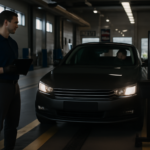
Once you arrive at an ADNOC Inspection Center, the process begins. The first step is to complete the paperwork, which includes providing your vehicle’s registration details. After that, the inspection will cover the following:
-
Vehicle Exterior: Inspecting the condition of the body, mirrors, windows, and lights.
-
Engine and Exhaust System: Checking for leaks, emissions, and any unusual noises.
-
Brakes and Suspension: Testing the braking system and the suspension components.
-
Tires and Wheels: Ensuring the tires are in good condition and the wheels are aligned.
-
Interior: Checking the safety features inside the car, including the seatbelts and airbags.
The inspection usually takes about 30 minutes to complete. Once your car passes the inspection, you will be issued a certificate, which is valid for one month. If your car fails the inspection, you will need to address the issues and schedule a re-test.
How ADNOC Inspection Affects the Resale Value of Your Car
The condition of your car and the results of the ADNOC inspection directly affect its resale value. Cars that pass the inspection and have a clean report tend to sell faster and at a higher price than those that have unresolved issues.
Many buyers are hesitant to purchase a car that hasn’t passed the ADNOC inspection, as they might face unexpected repairs down the line. By having a valid inspection certificate, you assure potential buyers that the car is in good condition and ready for use.
If you’re looking to sell any car, having it inspected and certified by ADNOC is a great way to make it more appealing to buyers. Additionally, a valid inspection certificate can be a bargaining chip in negotiations, as it proves your car is in top condition.
We Buy Any Car: How ADNOC Inspection Helps Sellers
If you’re considering selling your car to a dealer, such as “We Buy Any Car,” passing the ADNOC inspection will simplify the process. Dealers are more likely to offer a fair price for a car that has passed the inspection, as it reduces their risk of having to invest in repairs before reselling the vehicle.
When you sell your car to a dealer, they usually require a valid ADNOC inspection certificate as part of the transaction. This ensures that the car meets the necessary safety standards and is ready for resale. By having this certification, you increase the chances of getting a better deal from the dealer.
Conclusion
In conclusion, ADNOC car inspection is a critical step when selling your car in Abu Dhabi. Whether you’re selling to a private buyer or a dealer, passing the inspection increases your car’s resale value and ensures a smoother transaction. By following the necessary steps to prepare for the inspection, you can avoid delays and secure a better price for your car. Ensure that your car is in top condition and get it inspected before putting it up for sale. This small investment in time and effort can make a significant difference in the selling process.



 Urgent? WhatsApp a buyer










 English
  Arabic


