



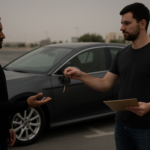








How to Check Accident History When Buying from Ajman Used Car Market
# How to Check Accident History When Buying from Ajman Used Car Market
Can I check the accident history of a vehicle registered in Abu Dhabi if I’m buying it from Ajman?
Buying a used car from Ajman’s bustling vehicle market requires careful verification. The most important step you can take is checking the accident history before handing over your money. **Yes, you absolutely can verify whether a car has been in accidents**, and you must do this before purchase. Multiple reliable methods exist in the UAE to uncover hidden damage and previous collisions. Reading this guide will help you avoid costly mistakes and find a genuinely safe vehicle.
Ajman hosts one of the largest used car markets in the UAE. Thousands of vehicles change hands here every month. Unfortunately, not all sellers disclose previous accidents or damage. Some cars arrive with hidden structural problems that won’t show up during a quick inspection. This is why accident checks form the foundation of smart used car buying in Ajman.
## Understanding Why Accident Checks Matter in Ajman
The Ajman used car market thrives on high transaction volume. Dealers and private sellers move inventory quickly. This speed sometimes means thorough background checks get overlooked. Vehicles with accident history often cost significantly less, which attracts both honest buyers seeking deals and unsuspecting customers who don’t know the car’s past.
An accident history doesn’t automatically mean you should avoid a car. However, it absolutely means you should know about it before negotiating price. A car that was properly repaired after an accident may perform perfectly. Conversely, a car that looks perfect but has hidden frame damage becomes a financial nightmare within months.
The severity matters tremendously. Minor fender benders differ completely from major collisions. A car that was hit on the passenger side might have different repair costs than one struck head-on. Knowing these details lets you make an informed decision about value and safety.
Insurance claims also reveal important information. A car with multiple insurance claims shows a pattern of incidents. This pattern suggests either poor driving habits or genuine bad luck. Either way, you deserve to know before purchase.
## How to Access Official Accident Records in Abu Dhabi and Ajman
The UAE government operates a centralized system for vehicle information. Specifically, the Department of Transport in Abu Dhabi maintains complete accident records for all registered vehicles. Similarly, the Ajman municipality tracks all vehicles registered within their emirate.
You can request vehicle accident reports online through official channels. However, the process varies depending on whether you’re purchasing from a dealer or private seller. The most straightforward approach involves visiting the Department of Transport office in Abu Dhabi or your local Ajman traffic department.
When you visit, bring the vehicle’s registration card (mulkiya). The staff will search their database for any recorded accidents. This check returns a comprehensive history of all reported collisions, regardless of who filed the insurance claim. The report includes accident dates, severity classifications, and claim amounts.
Alternatively, you can request this information through the official UAE government portal. The online system requires your Emirates ID and the vehicle’s registration number. Processing typically takes 24 to 48 hours. Many used car dealers in Ajman now offer this service to customers as part of their transparency initiatives.
## The RTA Database: Your Most Reliable Source
The Roads and Transport Authority maintains the most comprehensive vehicle history database in the UAE. Their records cover every registered vehicle, every accident claim, and every ownership transfer. The RTA database represents the official truth about any vehicle’s accident history.
You access the RTA database through authorized channels. The easiest method involves visiting an RTA service center. However, many used car inspection companies in Ajman now have direct access to this database. They pull reports instantly while you wait.
The RTA report includes crucial details. First, it shows the exact date of each accident. Second, it lists whether the accident involved a single vehicle or multiple vehicles. Third, it indicates the claim amount submitted to insurance. Finally, it shows whether the claim was approved or rejected.
This information shapes your negotiating position. A car with two minor accidents in five years differs from one with five major claims in two years. The RTA data provides the objective foundation for your decision.
## Pre-Purchase Inspection: Going Beyond the Accident Report
An official accident record forms just one layer of verification. Therefore, you also need a physical inspection. Many cars involved in accidents receive poor repairs. Substandard repair work creates long-term problems that insurance records won’t reveal.
Professional pre-purchase inspections in Ajman examine both visible and hidden damage. Inspectors check the frame alignment using specialized equipment. They examine welding points under the vehicle. They measure paint thickness to detect recent resprays covering poor repairs. They test all electrical systems and safety features.
The inspection report you receive documents every finding. It rates the overall condition as acceptable, needs attention, or unsuitable for purchase. This assessment comes from experienced technicians who have seen thousands of cars.
Importantly, the inspection reveals damage that might not appear in official accident records. Some minor collisions never reach insurance companies. Owners pay for repairs from their own pockets. The accident report shows no incident, but the inspection reveals hidden damage.
## Checking Vehicle Ownership Transfer History
The accident check extends beyond collision records. You should also verify the complete ownership history. A car that changes hands frequently suggests underlying problems. Similarly, a vehicle with consistent ownership indicates stability and proper maintenance.
The mulkiya (vehicle registration document) shows all previous owners. It also displays the vehicle’s exact registration dates and any notes about outstanding fines or violations. This document is your starting point for verification.
The ownership history reveals important patterns. A vehicle owned by the same person for eight years suggests satisfaction with the car. Conversely, a car that changed hands four times in two years raises red flags. Frequent ownership changes often correlate with undisclosed problems.
You can request complete ownership transfer records from the Ajman municipality. This ensures no gaps exist in the ownership chain. Some vehicles have recorded gaps, indicating informal sales that bypass official channels. These gaps represent risk because you cannot verify what happened during the gap period.
## What to Look for During a Physical Showroom Inspection
When you visit Ajman car showrooms, conduct your own preliminary inspection before professional evaluation. This step helps you narrow down candidates worth investigating further.
First, examine the paint carefully. Run your hand along the body panels. Uniform paint suggests the car has never been repainted. Mismatched paint indicates accident repair. Look at the paint thickness using a gauge if you have access to one.
Next, check all the panels for alignment. Open and close the doors. They should operate smoothly without binding or gaps. Uneven gaps suggest frame damage or poor repairs. Look along the seams between panels. They should be consistent and straight.
Inspect the headlights and taillights. Mismatched or newer lights suggest accident repairs. Look inside the light housings for moisture or damaged wiring. Check under the vehicle for fresh undercoating, which often covers accident repairs.
Examine the interior condition carefully. Airbag deployment leaves permanent marks on the steering wheel and dashboard. Missing airbags suggest past accidents where the system deployed. Stained or worn seat fabric on one side might indicate side-impact collision.
Check the trunk area and wheel wells. Look for overspray (paint in areas where it shouldn’t be). Examine welding points under the car. Fresh paint or new metal indicates repair work.
## Understanding Insurance Claim Types and What They Tell You
Not all insurance claims indicate major accidents. The claim type reveals the actual severity. Therefore, understanding claim classifications helps you interpret the accident report accurately.
Third-party claims occur when another vehicle causes damage. These usually indicate the damage happened through no fault of your driving. However, they still mean repairs were necessary.
Comprehensive claims cover non-collision damage. These include theft, weather damage, or animal strikes. A vehicle with comprehensive claims shows it experienced events outside your control.
Collision claims indicate actual accidents. These represent the most significant category. A collision claim means the car impacted something hard enough to require insurance intervention.
The claim amount matters considerably. A claim for 500 AED suggests minor damage. A claim for 15,000 AED suggests major repairs. Multiple claims for 10,000 AED or more indicate serious structural damage.
Rejected claims also carry meaning. When insurance denies a claim, it typically means the policy lapsed or coverage didn’t apply. This might indicate the owner didn’t maintain proper insurance, which raises other concerns.
## Red Flags When Examining Accident History
Certain patterns should trigger caution. Recognize these warning signs before committing to purchase.
Multiple accidents within a short timeframe suggest either poor driving or a liability. A car with three claims in 18 months indicates a pattern. You need to consider whether this pattern reflects the vehicle’s condition or the driver’s behavior.
Recently resolved claims raise questions about completion of repairs. If an accident claim closed only one month ago, the repairs might not have settled properly. Components may still show residual issues.
Large variations in claim amounts suggest inconsistent damage levels. A vehicle with claims ranging from 2,000 to 25,000 AED received vastly different impact levels at different times.
Unrepaired damage represents a major red flag. When an accident report exists but no corresponding claim or repair record follows, the damage might remain unaddressed.
Structural damage claims require special attention. Frame damage creates long-term handling and safety problems. Even excellent repairs cannot fully restore a frame-damaged vehicle’s original integrity.
## The Role of Specialized Inspection Centers in Ajman
Ajman hosts several professional vehicle inspection facilities. These centers serve both dealers and private buyers. They provide comprehensive accident checks as part of their standard evaluation.
These inspection centers access the RTA database directly. They pull accident history reports instantly. They then combine this data with physical inspection findings.
The inspection process typically takes two to three hours. Technicians examine every system on the vehicle. They test the engine, transmission, suspension, brakes, and electrical systems. They scan for stored fault codes in the computer systems.
The final report provides a detailed assessment. It rates the vehicle in multiple categories. Each category receives a separate score. The overall assessment tells you whether the car represents good value or a risky purchase.
Many inspection centers in Ajman offer written guarantees on their findings. This means if their inspection missed a major issue, they may provide partial compensation. This assurance adds credibility to their reports.
## Decoding the Vehicle Accident Report Document
When you receive an accident report, understanding every section matters. The document provides information about each recorded incident.
The incident date section lists exactly when the accident occurred. This matters because older accidents have less relevance than recent ones.
The incident type classification describes what happened. Whether it was a collision, rollover, or other incident, this section clarifies the nature of the damage.
The liability determination indicates who insurance deemed responsible. A determination showing the vehicle owner at fault differs from one showing the other party at fault. This affects your confidence in the vehicle’s safety.
The claim amount section shows how much insurance paid. This correlates directly with repair severity.
The repair facility information lists where repairs occurred. Authorized repair shops indicate proper restoration. Small independent shops might suggest cost-cutting repairs.
The claim closure status shows whether the case fully resolved. Open claims indicate ongoing issues. Closed claims suggest repairs completed.
## Finding Trustworthy Dealers in Ajman Who Provide Accident History
Not all Ajman dealers offer transparent accident history information. Legitimate dealers welcome accident checks and proactively provide this data. They understand that transparency builds customer trust.
Look for dealers who display accident history information prominently. Some dealers provide accident reports for every vehicle. Others resist requests for this information. The resistance itself suggests you should look elsewhere.
Ask directly about accident history before inspecting the vehicle. A dealer’s response to this question reveals their transparency level. Honest dealers answer immediately. Evasive dealers make excuses about why they cannot access this information.
Verify that dealers cooperate with professional inspection facilities. Some dealers encourage third-party inspections. Others discourage them. Cooperation indicates confidence in their vehicles.
Check dealer reviews on local platforms. Customers mention whether dealers provided accident history information. Reviews also indicate if promised discount deals materialized or if surprise issues emerged after purchase.
## Private Seller Purchases: Extra Caution Required
When buying from private sellers in Ajman, you have less recourse if problems emerge. Therefore, your due diligence becomes even more critical. Private sellers sometimes lack knowledge about their vehicle’s complete history.
Insist on seeing the original purchase documents. These documents should reference accident history at the time of purchase. If the current seller cannot provide these, they might not know the full history themselves.
Request permission to take the car to an inspection facility before purchase. Any seller who refuses this permission raises immediate red flags. Legitimate sellers welcome inspections because they have nothing to hide.
Ask specific questions about accident history. “Has this car been in any accidents?” should receive a detailed answer. Vague responses suggest the seller is hiding something.
Check the vehicle’s service history. Regular service records suggest an owner who maintained the car properly after any accident repairs. Missing service records indicate poor maintenance.
Verify the seller’s identity matches the vehicle registration. Some vehicles are sold informally without official paperwork transfer. This creates legal and safety problems.
## Understanding the Cost of Hidden Damage
When buyers skip accident checks to save money, they often pay far more later. Hidden damage creates expensive problems months after purchase.
Frame damage that wasn’t properly repaired causes handling problems. The vehicle might pull to one side even on straight roads. Tire wear becomes uneven. Steering feels imprecise. Eventually, you spend thousands on suspension and alignment work.
Electrical system damage can cause intermittent failures. Lights flicker randomly. The engine stalls without warning. Diagnosing these problems requires expensive computer scanning and repair work.
Transmission fluid contamination from accident damage causes transmission failure. You might drive the car successfully for several months before the transmission suddenly fails. A transmission replacement costs 8,000 to 15,000 AED or more.
Airbag system problems create safety hazards. When airbags don’t deploy properly during future accidents, you face serious injury risk. Replacing airbag systems costs 3,000 to 6,000 AED.
These costs dwarf the savings you might achieve by skipping accident checks. A 2,000 AED inspection fee protects you from potential losses of 20,000 AED or more.
## Steps to Take Before Signing Purchase Documents
After you complete the accident check and inspection, several verification steps remain before finalizing your purchase.
First, verify that the accident history report matches the vehicle identification number exactly. Ensure there are no transcription errors. A report from a different vehicle by mistake could cause legal complications later.
Second, request written confirmation from the seller that they disclosed all known accidents and damage. This creates a paper trail. If hidden issues emerge later, this document protects your legal position.
Third, confirm that all accident-related repairs occurred at authorized facilities. Ask to see repair documentation for major work. This proves repairs met professional standards.
Fourth, ensure all electrical systems and safety features function properly. Test airbags, ABS brakes, traction control, and stability systems. Have the inspection facility verify proper function of all safety systems.
Fifth, obtain comprehensive insurance quotes before purchase. Insurance companies conduct their own accident history checks. If an insurer quotes significantly higher premiums than expected, it suggests hidden accident information you might have missed.
Sixth, confirm that all fines and violations on the vehicle are resolved. Outstanding fines transfer to you upon purchase. You don’t want to inherit traffic violations or unpaid penalties from previous owners.
## Negotiating Price Based on Accident History
Armed with accident information, you can negotiate fairly. The accident history directly affects the vehicle’s value. Therefore, use this information strategically.
A car with one minor accident from five years ago should not carry significant discount. The accident was resolved, repairs completed, and time has passed.
Conversely, a vehicle with major accident history from the previous year warrants a larger discount. The repairs are recent. Long-term durability remains uncertain. Buyers naturally pay less for vehicles with uncertain futures.
Calculate the discount based on repair severity and recency. A 25,000 AED repair from six months ago might justify a 15% discount. However, a 3,000 AED repair from three years ago might only justify a 5% discount.
Compare prices across similar vehicles in the Ajman market. Check what comparable cars without accident history sell for. Use this benchmark to calculate fair pricing for the accident-history vehicle you’re considering.
Never accept the dealer’s first price offer. Always negotiate based on the accident report and inspection findings. Dealers expect negotiation. Your willingness to discuss price seriously signals that you’re a qualified buyer ready to purchase.
## Additional Verification Methods Beyond Official Records
Beyond formal accident reports, several other verification methods exist. These supplementary checks catch issues that official systems might miss.
Service history provides valuable insight. A vehicle that received regular maintenance after a major accident shows the owner cared about proper repairs. Conversely, one that lacks service records suggests the owner skipped proper maintenance following repairs.
Fuel consumption patterns can reveal hidden damage. A car that suddenly started using significantly more fuel might have engine or transmission problems stemming from accident damage. Compare fuel consumption before and after the accident date if available.
Paint condition analysis reveals repair work. Professional inspectors use paint thickness gauges to measure coating depth. Variations in thickness indicate panel repainting. Consistent thickness suggests original paint and no collision repairs.
Airbag system diagnostic scans reveal deployment history. Even after airbag replacement, the vehicle’s computer system retains memory of past deployments. A scan reveals whether airbags deployed previously even if they’ve been replaced.
Tire wear patterns indicate suspension or alignment damage. Uneven tire wear suggests frame or suspension damage. Center-wear patterns indicate overinflation related to suspension issues. Edge-wear indicates underinflation, sometimes resulting from suspension damage.
## What to Know About Certified Pre-Owned Vehicles
Some Ajman dealerships offer certified pre-owned vehicles. Certification means the vehicle underwent thorough inspection and professional reconditioning. However, certification does not eliminate the need for accident checks.
Even certified vehicles must have complete accident history verification. Certification focuses on mechanical condition. It doesn’t necessarily address accident history. Ask the dealer directly whether their certification includes accident history verification.
Many certified vehicles come with extended warranties. These warranties cover mechanical repairs but often exclude accident-related damage. Understanding warranty limitations matters when accident history exists.
Certified vehicle prices reflect their additional quality assurance. This higher price should account for the thorough inspection. You’re paying for peace of mind through professional verification. Therefore, accident checks become even more important with certified vehicles because you’re paying a premium.
Request the full inspection report for any certified vehicle. This document should detail every system checked and every finding noted. A transparent dealer provides this without hesitation.
## Moving Forward: Your Next Steps in Ajman
Now that you understand accident checks thoroughly, take action. When you find a vehicle you like in Ajman, insist on a complete accident history report before proceeding. Visit the local traffic department or use an online service to access the RTA database. Arrange a professional pre-purchase inspection at an authorized facility.
During the inspection process, ask technicians to explain any suspicious findings. Don’t proceed with purchase if you feel uncomfortable about hidden damage. There are always other vehicles in the market.
Contact iCarsU.com if you prefer to sell your vehicle rather than navigate buying challenges. We handle all verification steps for you. We conduct comprehensive accident checks on every vehicle we evaluate. We provide fair offers based on complete and transparent information about vehicle condition. Whether your vehicle has accident history or perfect condition, we make the process straightforward and honest.
When buying used cars in Ajman or anywhere in the UAE, accident verification is non-negotiable. Take the time. Spend the money on inspections. Verify the history thoroughly. This diligence protects your investment and ensures your safety on the road. A few hours of careful checking now prevents months of regret and costly repairs later.
Can I check the accident history of a vehicle registered in Abu Dhabi if I’m buying it from Ajman?
Yes, you can check accident history for vehicles registered in either emirate. The RTA database covers all vehicles across the UAE, regardless of where they’re currently registered. When you visit an RTA service center in Abu Dhabi or use the online government portal, you can search any vehicle using its registration number. The system returns complete accident records for vehicles registered in Abu Dhabi, Ajman, Dubai, or any other emirate.
What should I do if the accident report shows damage but the car looks perfect during my showroom inspection?
This situation requires careful attention and professional evaluation. Hidden damage exists even when the car’s exterior appears flawless. Schedule a comprehensive pre-purchase inspection at an authorized facility immediately. Technicians will use specialized equipment to detect frame damage, measure paint thickness, and examine welding points that aren’t visible to the naked eye. If the inspection reveals significant hidden damage that contradicts the car’s appearance, consider walking away from the purchase or negotiate a substantial price reduction to account for potential future repairs.
How long does the accident history verification process typically take in Abu Dhabi and Ajman?
The timeline depends on your chosen method. Visiting an RTA service center in person usually provides instant results while you wait, typically taking 30 minutes to an hour total. Requesting accident history through the online UAE government portal takes 24 to 48 hours for processing. Using a professional inspection center in Ajman combines database access with physical inspection, requiring 2 to 3 hours total. For the fastest results, visit an RTA office directly or use an inspection facility with direct database access.
Are there any legal consequences if a seller fails to disclose an accident history when selling a used car in Ajman?
Yes, there are legal implications for undisclosed accident history in the UAE. When you sign purchase documents, the seller legally warrants that they’ve disclosed known defects and accident damage. If hidden accidents emerge after purchase, you may have grounds for a legal claim against the seller. Document everything in writing before purchase, including written confirmation that all known accidents have been disclosed. Keep copies of the accident report and inspection documents as evidence. Consult a legal professional if you discover undisclosed accidents after completing your purchase.
What is the difference between checking accident history myself and hiring a professional inspection company in Ajman?
Checking accident history yourself through official channels provides the factual record of reported collisions but requires you to interpret the data correctly. Professional inspection companies in Ajman combine accident history database access with hands-on physical examination using specialized equipment. They measure paint thickness, scan computer systems for fault codes, check frame alignment, and test all safety systems. Professional inspectors have years of experience identifying hidden damage that casual buyers miss. While professional inspections cost 300-500 AED, this investment protects you from potential losses exceeding 20,000 AED from hidden damage-related repairs.
إضافة تعليق إلغاء الرد
You must be logged in to post a comment.
تصنيفات
- أبو ظبي (2)
- تاريخ الحوادث (2)
- الحوادث (3)
- تسجيل السيارات (1)
- مواصفات خليجي (3)
- مستورد (3)
- بيع سيارة (1)
- المواصفات (1)
- غير مصنف (33٬185)
أحدث المنشورات
منشورات ذات صلة

Understanding Car Accident History in Sharjah Industrial Area: A Complete Guide for Buyers
iCarsU.com
أبريل 20, 2026


How to Check Vehicle Damage History Report in Dubai: The Complete Guide
iCarsU.com
أبريل 20, 2026
نعمل عن طريق المواعيد فقط. يرجى الاتصال أو إرسال رسالة نصية لترتيب موعد أولاً
مناطق الخدمة: أبو ظبي (المكتب الرئيسي)، دبي، الشارقة، عجمان، رأس الخيمة، الفجيرة، أم القيوين.

برج ويستبوري، الطابق الثالث، مراسي درايف، الخليج التجاري، دبي، الإمارات العربية المتحدة.
 English
  Arabic