Buying a Used Car from a Private Seller in Abu Dhabi
When considering buying a used car in Abu Dhabi, purchasing from a private seller can offer various benefits. Unlike dealerships, private sellers may offer lower prices and more room for negotiation. However, it’s crucial to approach the process with caution, as it involves risks that might not be present when dealing with professional sellers. Here, we will explore how to buy a used car from a private seller, the key steps to follow, and tips for ensuring you make a sound investment.
Why Buy from a Private Seller?
Buying from a private seller allows you to potentially save money compared to purchasing from a dealership. Dealers often add extra costs for warranties and other services, which can drive up the price of the vehicle. In contrast, private sellers usually offer cars at a lower price since they are not running a business that requires profit margins. Furthermore, there is often less pressure when negotiating the price, as private sellers may be eager to sell quickly.
However, it’s important to note that buying a used car from a private seller comes with its own set of challenges. For example, private sellers are not always required to provide warranties, and you may not have the same legal protection that comes with buying from a dealership. Therefore, conducting thorough research and ensuring the car’s condition is essential before making any decision.
Research and Preparation
Before purchasing a used car from a private seller, begin by doing extensive research. Start by deciding on the type of car you want. Consider factors such as your budget, desired make and model, fuel efficiency, and any specific features you need. The internet is a great tool for comparing prices and finding listings of cars for sale in Abu Dhabi.
Once you’ve identified the car you’re interested in, check its value online through car valuation tools or listings on trusted platforms. This will give you a baseline to determine if the asking price is fair. Additionally, knowing the current market rate will give you confidence during the negotiation process.
Meeting the Seller and Inspecting the Car
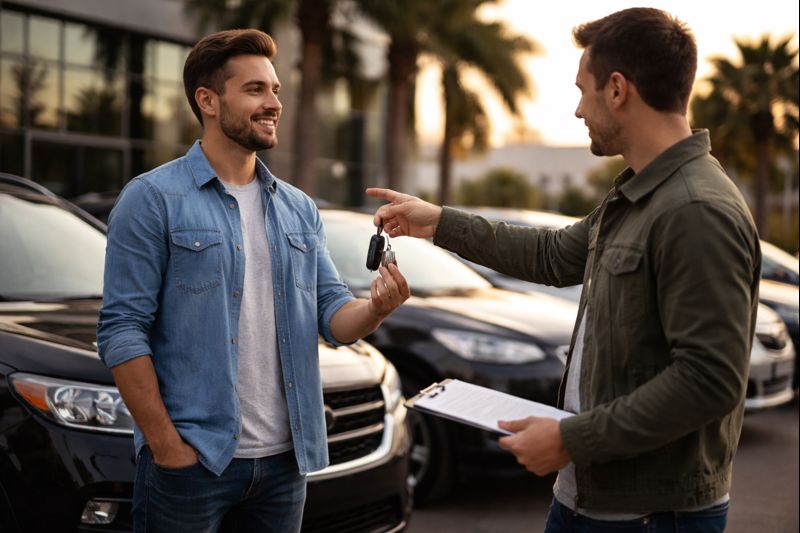
The next step is arranging a meeting with the seller. Always meet in a safe, public location, preferably during daylight hours, for your own security. When you meet the seller, you should approach the situation with a careful eye.
Start by inspecting the exterior and interior of the car. Look for any signs of damage, such as scratches, dents, or rust. Check the tires for wear, and inspect the windshield for cracks or chips. Inside the car, verify the condition of the seats, dashboard, and other interior elements.
It’s also important to ask about the car’s maintenance history. A well-maintained car will have regular service records and will show fewer signs of wear and tear. The seller should be able to provide you with receipts for oil changes, tire replacements, and any other repairs or maintenance done.
Test Drive and Performance Check
One of the most crucial steps when buying a used car from a private seller is taking it for a test drive. A test drive helps you assess how the car performs and whether it suits your driving style. During the drive, pay attention to how the car accelerates, brakes, and handles turns. Listen for any unusual noises such as squeaks or rattles that may indicate underlying issues.
In addition to performance, check that all features of the car are functioning properly. Test the air conditioning, radio, lights, windows, and locks. Make sure that the car shifts smoothly and that the steering is responsive.
Verify the Vehicle’s History
One of the key things to check when buying a used car is its history. You can request the Vehicle Identification Number (VIN) from the seller, which will allow you to access the car’s history report. This report will provide details about the car’s previous ownership, any accidents it may have been involved in, and whether it has a clean title. Make sure the car hasn’t been written off as salvage, as this could affect its resale value and performance.
For additional peace of mind, consider arranging for a professional mechanic to inspect the vehicle. A mechanic can check for hidden issues, such as engine problems, transmission wear, or potential suspension issues, which might not be obvious during a casual inspection or test drive.
Negotiating the Price
Once you’ve thoroughly inspected the car and are satisfied with its condition, it’s time to negotiate the price. Many private sellers are willing to accept a lower offer, especially if they have been trying to sell the car for a while. However, always be respectful when negotiating. Offer a price based on your research, factoring in the car’s condition and market value.
If the seller is firm on the price, you can try to negotiate for additional perks, such as including the cost of a vehicle inspection or offering to take care of the transfer fees. If you are satisfied with the price and the condition of the car, you can proceed with the purchase.
Paperwork and Legalities
Before finalizing the sale, ensure that all the necessary paperwork is in order. The seller should provide the car’s registration documents, proof of ownership, and any maintenance records they have. You will need these documents to complete the transfer of ownership.
In Abu Dhabi, both parties must go to the traffic department to complete the ownership transfer process. The seller should also ensure that the car is clear of any fines or outstanding payments. Be cautious of any seller who hesitates to provide documentation or who cannot prove ownership.
Sell My Car: Tips for Private Sellers
If you’re looking to sell your car after purchasing a used one, there are several options to consider. You can list your car on online platforms, such as iCarsU.com, or visit local dealerships that buy cars. However, selling to a private buyer may offer the best opportunity to get the highest price for your vehicle.
When preparing to sell your car, make sure it is clean, well-maintained, and that you have all the necessary documents. You should also have a fair idea of your car’s value to ensure you don’t undersell it. For a faster sale, consider offering incentives such as flexible pricing or throwing in extra accessories like a set of tires.
Final Steps
Once everything is in place, the sale can be completed. Remember to review the terms of the sale carefully, and don’t rush through the process. It’s vital that you are confident in your decision before signing any contracts or handing over money.
In summary, buying a used car from a private seller in Abu Dhabi can be an excellent way to save money, but it requires careful attention to detail. By conducting thorough research, inspecting the car, and negotiating wisely, you can ensure that you make a good purchase. Remember to complete all necessary legal steps, and keep your communication open with the seller to ensure a smooth transaction.















 English
  Arabic