
 عاجل؟ واتساب مشترٍ عبر الواتساب









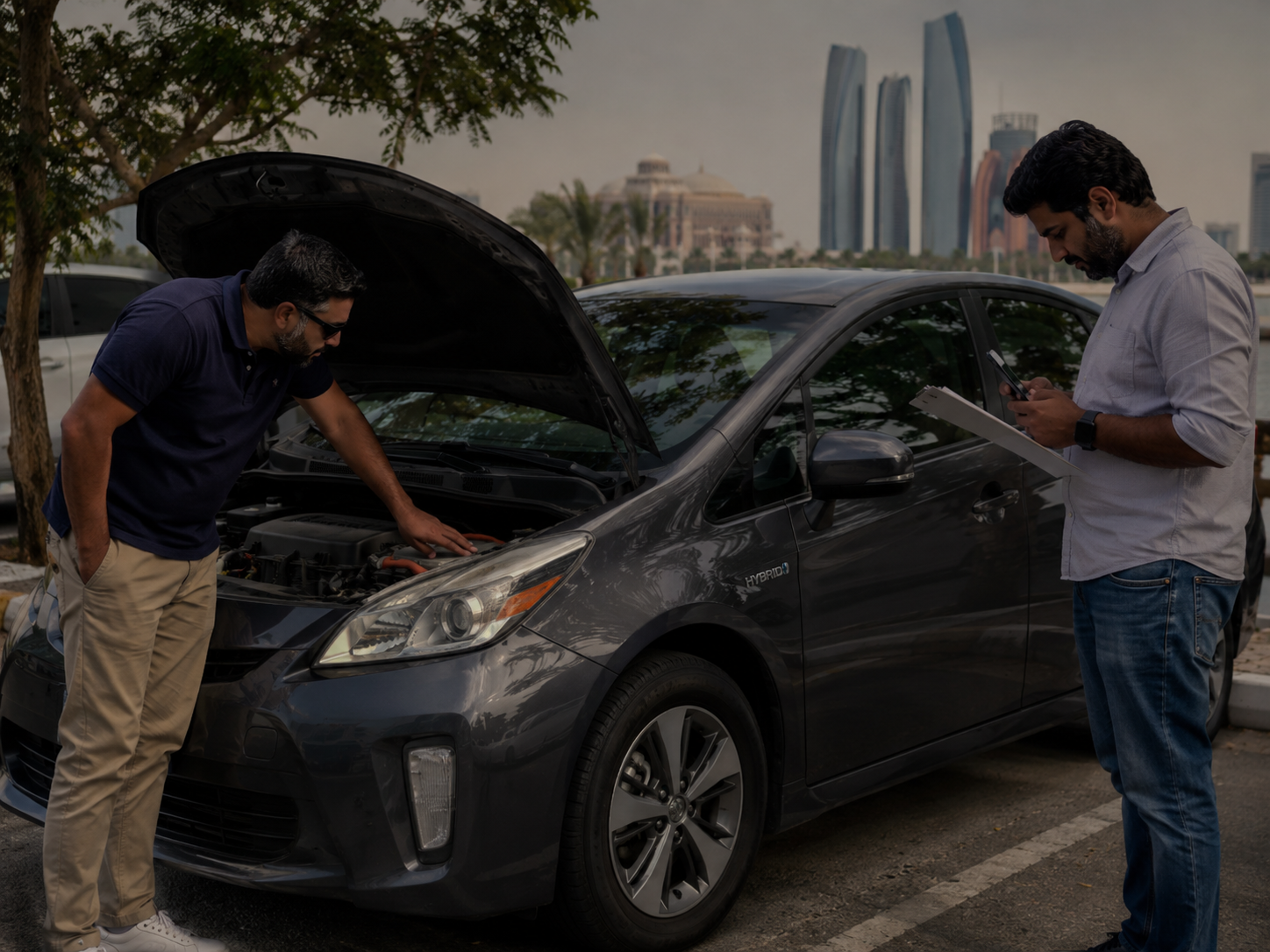
Car Selling With INSTANT Payment in Abu Dhabi: Agree the Amount and Sequence Clearly
Car Selling With Instant Payment in Abu Dhabi: Agree the Amount and Sequence Clearly
Selling your car in Abu Dhabi can feel simple when you know exactly how and when you will receive payment. However, a fast offer alone does not guarantee a smooth sale. You must agree on the final amount, payment method, and ownership transfer sequence before completing the deal. Therefore, Abu Dhabi car selling with instant payment requires clear communication between the seller and buyer. A reliable process helps you avoid payment delays, unexpected deductions, and confusion during vehicle ownership transfer.
Many Abu Dhabi residents want to sell their cars quickly without dealing with endless calls or uncertain buyers. Fortunately, a clear payment agreement can make the process easier. Whether you live in Khalifa City, Al Reem Island, Mussafah, or Mohammed Bin Zayed City, the same basic steps apply.
At iCarsU.com, car sellers can explore a convenient way to arrange vehicle assessments and discuss purchase offers. However, every seller should confirm the payment terms before accepting any deal.
This guide explains how to agree on your car’s selling price, confirm payment arrangements, and coordinate the ownership transfer process safely.
Why Instant Car Payment Matters in Abu Dhabi
When selling a used car, most owners want quick access to their money. After all, many people need funds for another vehicle, family expenses, or personal plans.
Therefore, instant payment can make a car selling service more attractive.
However, sellers should understand what the buyer means by instant payment. Different buyers may describe the process differently.
For example, one buyer may arrange a bank transfer after the ownership transfer. Another may prepare payment while both parties complete the required paperwork.
Consequently, sellers should never assume that every buyer follows the same payment sequence.
A clear agreement should identify:
-
The final car purchase amount.
-
The currency and payment method.
-
The person or company responsible for payment.
-
The expected payment time.
-
The ownership transfer arrangements.
-
Any outstanding loan settlement.
-
Any agreed fees or deductions.
-
The action each party must complete before the next step.
Additionally, sellers should keep a written record of these details.
This simple approach reduces misunderstandings and helps both parties prepare for the transaction.
Understanding Abu Dhabi Car Selling With Instant Payment
Instant payment generally means that the buyer intends to complete payment within a short, agreed period.
However, the phrase does not automatically guarantee immediate access to funds.
For example, bank transfers may take different amounts of time depending on the banks and payment systems involved.
Likewise, a buyer may need to complete internal checks before releasing the agreed amount.
Therefore, sellers should ask the buyer to explain the actual payment process.
A professional buyer should clearly explain the steps and timing.
Furthermore, the seller should distinguish between three important stages.
Offer confirmation: The buyer communicates the price they agree to pay.
Payment initiation: The buyer sends the payment through the agreed method.
Payment receipt: The seller confirms that the money has reached the correct account and that the funds are available.
These stages do not always happen simultaneously.
For this reason, sellers should focus on actual payment confirmation rather than verbal promises.
Instant Payment Does Not Replace a Clear Agreement
A fast transaction still needs proper documentation.
Therefore, the buyer and seller should agree on the amount before beginning the transfer process.
For example, a seller may receive an initial estimate of AED 35,000.
However, a vehicle inspection may identify mechanical issues that affect the offer.
The buyer might then propose AED 33,500.
At this point, the seller should decide whether to accept the revised amount.
The buyer should not treat an earlier estimate as the final agreement.
Similarly, the seller should not proceed until both parties confirm the same figure.
Clear communication protects the relationship and prevents last-minute disputes.
Car Sale Amount Confirmation in Abu Dhabi
Car sale amount confirmation Abu Dhabi sellers need should clearly identify the exact amount that the buyer will pay.
Although verbal discussions can help, written confirmation offers a better record.
Therefore, request a message or document that states the agreed purchase price.
For example, the buyer might confirm:
“Final agreed vehicle purchase amount: AED 42,000, subject to the payment and transfer conditions stated in this agreement.”
This simple statement gives both parties a clear reference.
However, the amount alone does not explain the complete transaction.
The seller should also confirm whether the price includes any additional obligations.
Confirm the Exact Net Amount
The advertised purchase price and the money the seller receives may differ when separate charges apply.
For example, the transaction might involve:
-
Vehicle transfer fees.
-
Outstanding traffic fines.
-
Bank loan settlement costs.
-
Agreed inspection charges.
-
Vehicle recovery or transport costs.
-
Other charges that both parties accept.
Therefore, sellers should identify every relevant expense before accepting an offer.
Additionally, they should agree on who will pay each charge.
Suppose a buyer offers AED 40,000 for a vehicle.
The seller also has AED 500 in outstanding traffic fines.
The parties might agree that the seller will settle those fines separately.
Alternatively, they might agree on a different arrangement where applicable.
However, the buyer should not make an unexpected AED 500 deduction without the seller’s agreement.
The final confirmation should explain the agreed financial result.
Keep the Original Amount and Final Amount Separate
An initial valuation gives sellers a useful starting point.
However, that figure may change after the buyer inspects the vehicle.
Consequently, sellers should distinguish between an estimated price and a confirmed purchase offer.
For example, an online valuation might show AED 25,000 to AED 28,000.
After inspection, the buyer may offer AED 26,500.
If the seller accepts AED 26,500, both parties should confirm that exact amount.
Furthermore, they should clearly identify any conditions that could affect the transaction.
This process prevents confusion when the seller reaches the ownership transfer stage.
Car Payment Before Transfer in Abu Dhabi
يبحث العديد من ملاك السيارات عن car payment before transfer Abu Dhabi because they want to protect their money and ownership rights.
This concern makes sense.
Once a vehicle changes ownership, the seller may have fewer options if a payment dispute develops.
Therefore, sellers should discuss the payment and transfer sequence before starting the transaction.
However, buyers may also require assurances before releasing funds.
For this reason, both parties need an agreed process that protects their interests.
Agree on the Payment Sequence Before Visiting the Transfer Centre
The seller and buyer should decide how they will coordinate payment with the official transfer process.
For example, they may choose to complete the transaction through the following stages:
-
The buyer inspects the car and confirms the final offer.
-
Both parties agree on the total purchase amount.
-
The buyer explains the chosen payment method.
-
Both parties verify their identities and required documents.
-
The seller checks any outstanding financial obligations.
-
The buyer and seller agree on the payment and transfer order.
-
Both parties complete payment verification and ownership transfer according to that agreement.
-
The seller releases the vehicle and keys after satisfying the agreed conditions.
However, the exact sequence depends on the transaction and applicable transfer requirements.
Therefore, confirm the current procedure with the relevant Abu Dhabi vehicle registration authority or approved service provider.
Most importantly, do not assume that the transfer system itself guarantees payment.
Avoid Relying Only on Payment Screenshots
A payment screenshot may show that someone attempted a transfer.
However, it does not always prove that the seller received the money.
Consequently, sellers should check their bank account directly.
For example, a buyer might send an image showing a payment request or transfer instruction.
The seller should not treat this image as final proof.
Instead, check the actual account balance and transaction details through your bank’s trusted application or channel.
Additionally, confirm that the amount matches the agreement.
If the transaction remains pending, contact the bank before taking the next irreversible step.
This small precaution can help prevent expensive misunderstandings.
Choose the Right Instant Car Payment Method
Different payment methods offer different advantages.
Therefore, sellers should understand their options before agreeing to a transaction.
The most suitable method depends on the amount, buyer, banking arrangements, and applicable requirements.
Bank Transfer for Used Car Sales
A bank transfer creates an electronic transaction record.
Additionally, it allows the seller to confirm the payment through their own bank.
However, transfer timing can vary.
For example, some transfers reach the recipient quickly.
Others may take longer because of banking checks, account details, or processing arrangements.
Therefore, sellers should confirm the payment timing before scheduling ownership transfer.
They should also verify the sender’s details and payment reference.
Most importantly, never rely exclusively on a message from the buyer.
Check your bank directly.
Cash Payment for Car Sales
Some sellers prefer cash because it appears straightforward.
However, large cash transactions require careful handling.
For example, carrying significant amounts of money can create security risks.
Additionally, sellers need to check the notes and maintain a clear payment record.
Therefore, consider a secure banking location when arranging a cash transaction.
Both parties should also follow applicable cash transaction and reporting requirements.
Furthermore, the seller should issue or obtain a suitable written receipt.
The receipt should identify the payment amount, date, vehicle, and parties involved.
Bank Cheques and Other Payment Arrangements
Some buyers may offer a bank cheque or another payment instrument.
However, sellers should understand the difference between receiving a cheque and receiving cleared funds.
Consequently, they should confirm the cheque’s status with the issuing bank.
A document that looks official does not automatically guarantee immediate payment.
Therefore, verify the payment instrument before completing an irreversible transfer.
When uncertainty remains, ask your bank about the safest procedure.
Why Written Payment Confirmation Helps Car Sellers
A written agreement creates a shared understanding.
It also gives both parties something to review if confusion develops.
Therefore, car sellers should avoid relying entirely on phone conversations.
For example, the seller and buyer might discuss AED 48,000 during a call.
Later, the buyer might refer to AED 47,000.
Without a clear record, both sides may remember the discussion differently.
However, a written confirmation reduces this risk.
Include the Vehicle Details
A useful confirmation should identify the correct vehicle.
Therefore, include important information such as:
-
Vehicle make and model.
-
Model year.
-
Vehicle identification number.
-
Registration details where appropriate.
-
Agreed purchase price.
-
Buyer and seller names.
-
Payment method.
-
Payment and transfer conditions.
-
Date of the agreement.
Furthermore, confirm that the details match the actual vehicle.
Even a small mistake can create confusion.
For example, a buyer may handle several similar Toyota vehicles in one day.
A clear vehicle identification number helps connect the payment agreement to the correct car.
Confirm Payment Responsibility
Some car sales involve several people.
For example, a company representative may inspect the vehicle.
Another employee may prepare the purchase agreement.
A separate finance team may arrange payment.
Therefore, sellers should identify the person or legal entity responsible for paying the agreed price.
Additionally, they should confirm whether payment will come from a company account or another authorized source.
This information helps sellers recognize the expected transaction.
If payment comes from an unexpected third party, pause and verify the arrangement independently.
How Vehicle Inspection Affects Instant Payment
Vehicle inspection plays an important role in many used car transactions.
However, sellers should understand when the buyer will finalize the offer.
An initial estimate may depend on the seller’s description.
For example, the seller may report that the vehicle has no accident damage.
During inspection, the buyer might discover previously repaired body panels.
Consequently, the buyer may reconsider the original valuation.
This does not automatically mean that the buyer acted unfairly.
However, the buyer should clearly explain the reason for the change.
Agree on the Price After Inspection
For smoother Abu Dhabi car selling with instant payment, settle the final amount after the assessment.
First, allow the buyer to check the vehicle.
Next, review the inspection findings.
Then, discuss the purchase amount.
After that, confirm the accepted figure in writing.
This order helps avoid last-minute disagreements.
Additionally, sellers should ask about any outstanding conditions.
For example, the buyer may require confirmation of the vehicle’s loan status.
The seller should understand that requirement before arranging payment.
Avoid Last-Minute Price Pressure
A seller may feel pressure when the buyer suddenly reduces the offer.
However, accepting a revised amount remains the seller’s choice.
Therefore, compare the new figure with the vehicle’s condition and available market information.
Additionally, request a clear explanation for the adjustment.
If the offer no longer meets your expectations, you can decline it before completing the sale.
A quick process should never prevent an informed decision.
Selling a Car With an Outstanding Loan in Abu Dhabi
An outstanding car loan can affect the payment and transfer process.
Therefore, sellers should check their loan status before accepting a final offer.
For example, a vehicle may have an outstanding bank balance of AED 18,000.
A buyer might offer AED 45,000 for that vehicle.
However, the seller cannot assume that the entire AED 45,000 will reach their personal account.
The parties must first determine how they will settle the existing loan.
Confirm the Loan Settlement Amount
First, contact the financing bank.
Next, request the current settlement amount and applicable conditions.
Then, confirm how the bank handles the release of its interest in the vehicle.
Additionally, ask whether any settlement charges apply.
The bank can explain its requirements and expected processing arrangements.
Once the seller understands these details, both parties can plan the transaction.
Agree on the Remaining Payment
Suppose the buyer agrees to pay AED 45,000.
The seller’s loan settlement amount equals AED 18,000.
If the buyer pays that amount toward the loan, the remaining purchase balance equals AED 27,000.
However, both parties should confirm any additional charges.
They should also document who will settle each obligation.
Furthermore, they must coordinate the bank’s clearance requirements with the ownership transfer process.
This arrangement helps prevent confusion about the seller’s final payment.
Instant Car Payment in Khalifa City and Mohammed Bin Zayed City
Residents of Khalifa City and Mohammed Bin Zayed City often prefer convenient vehicle selling arrangements.
However, convenience should never replace financial clarity.
For example, a seller in Khalifa City may want to arrange an assessment near home.
Another seller in Mohammed Bin Zayed City may prefer a meeting near their workplace.
Both sellers should confirm the same essential information.
First, identify the buyer.
Next, confirm the vehicle’s final purchase amount.
Then, agree on the payment method and timing.
Finally, arrange the official ownership transfer.
Additionally, sellers should verify the meeting location before travelling.
A buyer may offer a convenient assessment appointment, but the official transfer may require a separate location or procedure.
Therefore, confirm both arrangements beforehand.
Selling a Car From Al Reem Island or Yas Island
Many residents of Al Reem Island and Yas Island also value a simple selling experience.
However, travel and appointment arrangements can create unnecessary delays.
For example, a seller may arrange an inspection during a lunch break.
If the buyer has not confirmed the payment process, the seller may need another appointment.
Consequently, sellers should discuss financial and administrative requirements early.
Ask the buyer to explain the expected stages and required documents.
Additionally, confirm whether the transaction involves separate inspection and ownership transfer appointments.
A little preparation can save considerable time.
How iCarsU.com Can Help You Start a Car Sale
When looking for Abu Dhabi car selling with instant payment, sellers often want a straightforward starting point.
iCarsU.com provides a way for car owners to explore vehicle selling options in Abu Dhabi.
You can begin by sharing relevant information about your car and discussing the assessment process.
However, a useful enquiry should include accurate vehicle details.
For example, prepare the make, model, year, mileage, and general condition.
Additionally, mention any known accident repairs or mechanical problems.
These details help the buyer understand the vehicle before inspection.
Prepare Accurate Car Information
Before requesting an offer, review the vehicle’s condition.
First, check the current mileage.
Next, identify any warning lights or mechanical concerns.
Then, gather service records and available maintenance invoices.
Also, confirm the vehicle’s regional specifications where possible.
For example, GCC specifications may influence buyer interest in Abu Dhabi.
However, the overall vehicle condition also matters.
Therefore, avoid assuming that one feature determines the entire purchase price.
Discuss the Payment Terms Early
Once the buyer explains the assessment process, discuss the payment arrangements.
For example, confirm whether the buyer can arrange bank payment and how they verify completion.
Additionally, clarify who will handle transfer fees and any outstanding obligations.
A clear discussion at the beginning can prevent problems later.
Most importantly, do not treat a preliminary valuation as a guaranteed final payment.
Wait until both parties confirm the actual purchase amount.
Common Payment Mistakes Car Sellers Should Avoid
Many payment problems begin with simple misunderstandings.
Fortunately, sellers can reduce these risks through careful preparation.
Accepting a Verbal Offer Without Written Confirmation
A verbal offer may sound reassuring.
However, it gives the seller little detail about the final financial arrangement.
Therefore, request written confirmation before proceeding.
The document or message should include the exact amount and payment conditions.
Confusing Payment Initiation With Payment Receipt
A buyer may say that they have sent the money.
However, this does not necessarily mean the seller can access the funds.
Therefore, verify the transaction through your own bank.
If the money has not arrived, clarify the situation before completing the next agreed step.
Ignoring Transfer Fees
Some sellers focus only on the vehicle’s price.
However, additional charges can affect the final amount.
Therefore, confirm every applicable fee and identify who will pay it.
This approach prevents unexpected financial differences.
Sharing Sensitive Banking Information
A legitimate payment arrangement generally does not require sellers to share banking passwords or one-time verification codes.
Therefore, protect your account credentials.
Never approve an unfamiliar banking request simply because someone claims it will release a payment.
Additionally, avoid opening suspicious payment links.
Use trusted banking channels to verify transactions.
Transferring Ownership Without Checking the Agreement
A buyer may encourage the seller to complete ownership transfer quickly.
However, the seller should first understand the payment conditions.
Therefore, review the agreement and confirm the transaction sequence.
Also, ensure that the arrangement follows the applicable ownership transfer requirements.
If anything remains unclear, seek clarification before proceeding.
A Clear Car Sale Amount Confirmation Process
A strong car sale amount confirmation Abu Dhabi agreement should leave little room for misunderstanding.
Therefore, both parties should follow an organized process.
Start by confirming the vehicle’s identity.
Next, review the condition and final inspection findings.
Then, agree on the purchase price.
After that, identify any fees, loan settlements, or deductions.
Finally, confirm the amount the seller expects to receive.
For example, a seller might agree on AED 36,000 for a used sedan.
The buyer and seller may also agree that the seller will pay outstanding traffic fines separately.
In this situation, the written confirmation should identify the AED 36,000 purchase amount and the separate fine obligation.
Additionally, the parties should confirm the method and timing of payment.
This clarity gives everyone a shared reference.
Use One Confirmed Final Figure
Long conversations can produce several different prices.
For example, the buyer may initially suggest AED 34,000.
After reviewing service records, the buyer may raise the offer to AED 35,000.
Later, both parties may agree on AED 34,500.
Therefore, the final confirmation should clearly state AED 34,500.
It should also replace any earlier, unaccepted figures.
This simple step reduces confusion between the inspection team, finance department, and seller.
Coordinating Car Payment Before Transfer in Abu Dhabi
Car payment before transfer Abu Dhabi arrangements require particular care because payment and ownership create separate responsibilities.
Therefore, the seller should understand the official transfer process before starting.
First, verify that the vehicle meets the relevant transfer requirements.
Next, confirm the buyer’s identity and payment responsibility.
Then, agree on how both parties will coordinate the money and ownership changes.
If the parties use bank transfers, they should consider the expected processing time.
Additionally, they should understand any bank limits or checks that may affect the transaction.
For example, a buyer may need to arrange a higher-value transfer through their bank.
If so, both parties should discuss that requirement before the appointment.
Confirm the Transfer Through Official Channels
Vehicle ownership records provide important proof of the transaction.
Therefore, sellers should verify completion through the relevant Abu Dhabi registration service.
They should not rely only on a verbal statement from the buyer.
Additionally, sellers should keep copies of appropriate transaction records.
These may include the purchase agreement, payment receipt, and official ownership transfer confirmation.
However, protect personal information and share documents only through suitable channels.
Hand Over the Keys at the Agreed Stage
Vehicle handover marks another important step.
Therefore, agree on when the buyer will receive the keys, access cards, and other vehicle items.
For example, the seller may need to provide a spare key and service documents.
However, both parties should coordinate handover with verified payment and completed ownership transfer.
Do not release control of the vehicle solely because the buyer promises to pay later.
A clear handover arrangement supports a smoother transaction.
How to Make Your Abu Dhabi Car Sale Faster
Speed depends on preparation as much as the buyer’s payment process.
Therefore, sellers can save time by gathering information before the assessment.
Start with the vehicle registration details.
Next, check any outstanding traffic fines or financial obligations.
Then, prepare available service records.
Also, confirm your bank account details and any relevant payment limits.
Finally, identify a suitable time for the assessment and transaction.
This preparation helps both parties handle the sale efficiently.
Keep Your Documents Ready
Missing documents can delay ownership transfer.
Therefore, check the current Abu Dhabi requirements before the appointment.
Depending on your circumstances, you may need identification, registration information, financing clearance, or other supporting documents.
Additionally, companies and representatives may need separate authorization documents.
Confirm the applicable requirements with the official registration service.
This step can prevent unnecessary travel and repeated appointments.
Allow Enough Time for Payment Verification
Some sellers schedule the transfer too close to other commitments.
However, payment confirmation may take longer than expected.
Therefore, leave enough time for banking checks and required administrative steps.
Additionally, avoid making assumptions about operating hours or transfer availability.
Confirm the relevant services before travelling.
A realistic schedule can make the sale easier for everyone.
Why Transparency Builds Trust Between Buyers and Sellers
Trust matters when people exchange a valuable vehicle for money.
However, trust should come from clear actions rather than promises alone.
A reliable buyer should explain the offer and payment process.
Similarly, a responsible seller should provide accurate vehicle information.
Both parties should document the final agreement.
Furthermore, they should communicate clearly when something changes.
For example, a bank may require additional verification.
Instead of ignoring the delay, the buyer should explain the situation.
Likewise, the seller should communicate any new loan settlement information.
This transparency helps prevent unnecessary conflict.
Compare More Than the Purchase Price
The highest offer does not always provide the simplest transaction.
For example, one buyer might offer AED 51,000 without explaining the payment conditions.
Another buyer might offer AED 50,500 with a clear purchase agreement and payment plan.
Therefore, sellers should compare the complete arrangements.
Consider the buyer’s identity, payment method, transfer responsibilities, and final amount.
Additionally, assess the clarity of communication.
A slightly higher advertised price may offer little value if the transaction creates avoidable uncertainty.
Final Steps for Abu Dhabi Car Selling With Instant Payment
A successful car sale requires more than agreeing on an attractive price.
The seller and buyer must also understand the full payment and ownership transfer process.
Therefore, start by confirming the vehicle’s final purchase amount.
Next, agree on any fees, deductions, and outstanding financial obligations.
Then, choose a payment method that both parties understand.
Additionally, document who will pay, when payment should occur, and how the seller will verify receipt.
After that, coordinate the transaction with the relevant Abu Dhabi ownership transfer requirements.
Finally, complete the agreed handover process and retain suitable records.
Whether you live in Mussafah, Khalifa City, Al Reem Island, Al Raha Beach, or central Abu Dhabi, these principles remain valuable.
If you want to explore a convenient selling option, visit iCarsU.com and begin with your vehicle details.
Most importantly, remember that instant payment should mean a clear, verifiable financial arrangement.
A confirmed purchase amount, agreed payment sequence, and properly completed ownership transfer can help you sell your car with greater confidence.
Can I arrange Abu Dhabi car selling with instant payment during a weekend?
Yes, you may arrange a car sale during a weekend if the buyer and relevant transfer services operate. However, confirm the appointment, banking availability, and ownership transfer requirements in advance. Additionally, ask the buyer when you can expect the payment. iCarsU.com can help you explore car selling options in Abu Dhabi.
What happens if my bank limits the amount I can receive during an instant car sale in Abu Dhabi?
Most bank accounts can receive large transfers, but banks may apply security checks or account restrictions. Therefore, contact your bank before accepting a high-value vehicle payment. Also, confirm any relevant transfer limits with the buyer. This preparation helps you avoid unexpected delays.
Can I request a car sale amount confirmation in Abu Dhabi through WhatsApp?
Yes, you can ask the buyer to confirm the agreed purchase amount through WhatsApp. However, the message should clearly identify the vehicle, final price, payment method, and any additional conditions. Additionally, keep a copy of the conversation for your records. A formal purchase agreement can provide further clarity.
Can I sell my car with instant payment in Abu Dhabi if the buyer lives in another emirate?
Yes, buyers from Dubai, Sharjah, and other emirates may purchase vehicles from Abu Dhabi sellers. However, registration and transfer requirements can vary depending on the transaction. Therefore, confirm the applicable procedures before accepting payment. Additionally, agree on who will handle any inter-emirate arrangements and related expenses.
What should I do if the buyer requests a different payment amount after confirming my Abu Dhabi car sale?
First, ask the buyer to explain the proposed change. Next, compare the new amount with your original written agreement. You do not have to accept a revised offer before completing the transaction. Therefore, request a new car sale amount confirmation if you agree to the change. Most importantly, verify the final payment details before proceeding with ownership transfer.
إضافة تعليق إلغاء الرد
You must be logged in to post a comment.
تصنيفات
- أبو ظبي (2)
- تاريخ الحوادث (2)
- الحوادث (4)
- أخبار السيارات (1)
- تسجيل السيارات (1)
- خليجي (4)
- مستورد (4)
- بيع سيارة (1)
- المواصفات (2)
- غير مصنف (20٬880)
- مشتري سيارات مستعملة (105)
أحدث المنشورات
منشورات ذات صلة

HEV or Mild Hybrid? Confirm the Description Before Requesting an Abu Dhabi OFFER
iCarsU.com
نوفمبر 4, 2026
Selling a Car FAST in Abu Dhabi: Update an Existing Advert or Start a New One?
iCarsU.com
نوفمبر 4, 2026
Selling an SUV in Abu Dhabi: Arrange a Safe Assessment Without a DIY Test Drive
iCarsU.com
نوفمبر 4, 2026
نعمل عن طريق المواعيد فقط. يرجى الاتصال أو إرسال رسالة نصية لترتيب موعد أولاً
مناطق الخدمة: أبو ظبي (المكتب الرئيسي)، دبي، الشارقة، عجمان، رأس الخيمة، الفجيرة، أم القيوين.

 English
 Arabic