Vehicle Accident History MOI Abu Dhabi UAE: Complete Guide for Car Buyers and Sellers
Buying or selling a used car in Abu Dhabi requires careful research. One of the most important steps involves checking the vehicle accident history MOI Abu Dhabi UAE records. This check helps you understand whether a vehicle has been involved in accidents before you spend your money or sell your car. As a result, you can avoid expensive mistakes, negotiate a fair price, and make a confident decision.
A vehicle may look clean from the outside, yet it could have a hidden accident record. Therefore, checking accident history should always come before you sign any agreement. Many smart buyers and sellers in Abu Dhabi follow this step because it provides valuable information about the vehicle’s past.
Why Vehicle Accident History MOI Abu Dhabi UAE Matters
Every used vehicle has a story. Some cars stay accident-free for many years. Others experience minor or major collisions. Therefore, knowing the vehicle’s history helps you understand its real condition.
Checking the vehicle accident history MOI Abu Dhabi UAE gives you several advantages.
-
You learn whether the car has previous accident records.
-
You gain more confidence before buying.
-
You negotiate a better price.
-
You avoid hidden repair costs.
-
You protect your investment.
-
You reduce future surprises.
-
You understand the vehicle’s background.
Because used vehicles represent a significant investment, every detail matters.
What Is Vehicle Accident History?
Vehicle accident history refers to records that show whether a vehicle has been involved in road accidents during its lifetime.
These records may include information about:
-
Date of the accident
-
Number of reported accidents
-
Location of the accident
-
Severity of the damage
-
Official reporting authority
-
Insurance-related information in some cases
Although accident history does not always explain every repair, it provides valuable insight into the vehicle’s past.
Why Buyers in Abu Dhabi Check Accident History
Buying a used vehicle always carries some risk. Fortunately, checking accident records reduces that risk.
Many buyers want to know whether the car suffered structural damage. Others simply want peace of mind before making a payment.
When buyers review vehicle accident history MOI Abu Dhabi UAE, they often feel more comfortable because they understand what happened to the vehicle.
This simple step also prevents unexpected repair expenses later.
Why Sellers Should Check Their Own Vehicle History
Accident history does not only help buyers.
Sellers also benefit from checking their own vehicle records before advertising the car.
For example, you can:
-
Prepare honest information.
-
Build buyer trust.
-
Explain previous repairs.
-
Avoid misunderstandings.
-
Support your asking price.
-
Speed up negotiations.
Transparency often leads to faster sales because buyers appreciate honest sellers.
Vehicle Accident History MOI Abu Dhabi UAE Before Selling
If you plan to sell your vehicle, checking its accident history first makes good business sense.
You should understand exactly what buyers may discover.
This preparation allows you to answer questions confidently instead of guessing.
When buyers see honesty, they usually feel more comfortable continuing with the purchase process.
Why Accident History Affects Vehicle Value
Vehicle history directly affects resale value.
Cars with clean histories often attract more buyers. Therefore, sellers usually receive stronger offers.
However, previous accidents do not always ruin a vehicle’s value.
Several factors influence pricing, including:
-
Accident severity
-
Quality of repairs
-
Vehicle age
-
المسافة المقطوعة
-
Maintenance history
-
طلب السوق:
-
Overall condition
Minor repairs may have little effect on resale value, while major structural damage may reduce buyer interest.
Minor Accidents vs Major Accidents
Not every accident has the same impact.
Minor accidents often involve:
-
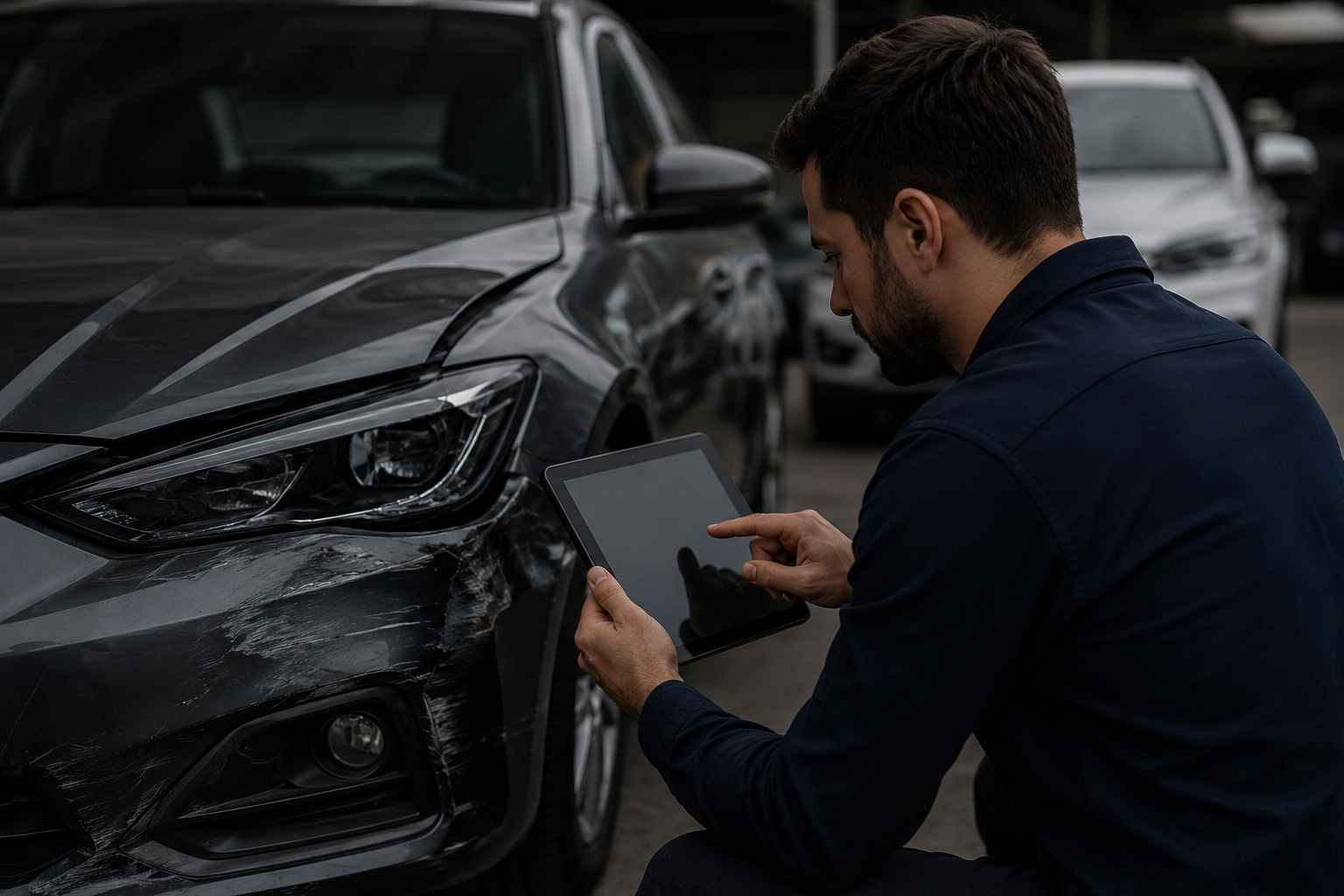
Small dents
-
Scratches
-
Bumper repairs
-
Light cosmetic damage
Major accidents may include:
-
Chassis damage
-
Airbag deployment
-
Suspension damage
-
Frame repairs
-
Heavy body repairs
Understanding the difference helps buyers make informed decisions.
Why Appearance Can Be Misleading
Many used vehicles look excellent after repairs.
Fresh paint, polished surfaces, and clean interiors may hide previous damage.
Therefore, appearance alone should never determine your buying decision.
Always combine visual inspection with accident history and a professional vehicle inspection.
Vehicle Accident History MOI Abu Dhabi UAE Helps Reduce Risk
Buying without checking accident records increases uncertainty.
On the other hand, reviewing the vehicle accident history MOI Abu Dhabi UAE helps you identify potential concerns before spending money.
This simple habit protects both experienced buyers and first-time buyers.
Combine Accident History With VIN Verification
Vehicle history becomes even more useful when you compare it with the Vehicle Identification Number (VIN).
The VIN acts as the vehicle’s unique identity.
Matching accident records with the VIN helps confirm that the information belongs to the correct vehicle.
This extra verification improves confidence during the buying process.
Why Professional Inspection Still Matters
Accident history tells only part of the story.
A professional inspection examines the vehicle’s current condition.
Experienced inspectors can identify:
-
Hidden repairs
-
Paint differences
-
Structural issues
-
Suspension problems
-
حالة المحرك
-
Transmission performance
-
تآكل الفرامل
Therefore, many buyers combine both services before making a final decision.
Hidden Damage Can Cost Thousands
Some accident damage remains invisible during a quick inspection.
Hidden problems may include:
Repairing these issues later may cost a significant amount.
Checking accident history early reduces this risk.
Vehicle Accident History MOI Abu Dhabi UAE for Imported Cars
Many imported vehicles enter the UAE every year.
Some imported cars have previous accident histories from other countries.
Therefore, buyers should always verify available records before purchasing imported vehicles.
Combining multiple vehicle history checks provides better protection.
How Honest Sellers Build Buyer Confidence
Trust plays a major role in every used car sale.
Honest sellers usually:
-
Share available documents.
-
Explain previous repairs.
-
Allow inspections.
-
Answer questions clearly.
-
Provide maintenance records.
This approach creates smoother negotiations and faster agreements.
Common Reasons Buyers Reject Used Cars
Several issues make buyers walk away.
These include:
-
Hidden accident history
-
Poor maintenance
-
Incorrect mileage
-
Unclear ownership
-
Visible repair quality
-
Mechanical problems
Fortunately, transparency solves many of these concerns.
Vehicle Accident History MOI Abu Dhabi UAE and Insurance
Insurance companies often evaluate previous damage when processing claims or assessing vehicle condition.
Although every situation differs, accident records can influence future insurance considerations.
Therefore, understanding the vehicle’s history helps buyers prepare for ownership.
Signs That a Vehicle May Have Previous Repairs
Even without official records, some warning signs deserve attention.
Look for:
-
Uneven paint
-
Different paint shades
-
Misaligned body panels
-
Uneven door gaps
-
New bolts
-
Fresh welding marks
-
Water leaks
-
Wind noise
-
Uneven tire wear
These signs do not always indicate major accidents, yet they deserve further investigation.
Why Documentation Matters
Good documentation supports a smooth vehicle sale.
Useful records include:
-
تاريخ الخدمة:
-
Maintenance invoices
-
Repair receipts
-
Inspection reports
-
Registration records
-
Accident history reports
Complete documentation increases buyer confidence.
Vehicle Accident History MOI Abu Dhabi UAE Before Negotiating
Knowledge creates stronger negotiations.
If buyers discover previous accidents before meeting the seller, they can discuss pricing based on facts instead of assumptions.
Likewise, sellers who understand their own vehicle history can justify fair pricing more effectively.
This transparency benefits both sides.
Buying From Private Sellers
Private sellers often offer competitive prices.
However, buyers should never skip history verification.
Before making payment:
These steps help reduce unnecessary risk.
Buying From Dealers
Professional dealers may inspect vehicles before offering them for sale.
Even so, buyers should perform independent research.
Checking vehicle accident history MOI Abu Dhabi UAE remains an important step regardless of where you buy the vehicle.
Independent verification provides additional confidence.
Accident History Supports Better Decisions
Every buyer wants confidence.
Every seller wants trust.
Vehicle history supports both goals.
Instead of relying on appearance alone, you rely on verified information.
That approach leads to smarter decisions.
Why Maintenance History Also Matters
Accident history tells one part of the vehicle’s story.
Maintenance records complete the picture.
Regular servicing shows that previous owners cared for the vehicle.
Together, maintenance history and accident history create a clearer understanding of overall condition.
Should You Buy a Car With Previous Accidents?
The answer depends on several factors.
A properly repaired minor accident may not create future problems.
However, severe structural damage deserves careful evaluation.
You should consider:
-
Repair quality
-
Inspection results
-
Driving performance
-
Vehicle price
-
السلامة
-
Future resale value
Every vehicle deserves individual assessment.
Vehicle Accident History MOI Abu Dhabi UAE Helps First-Time Buyers
First-time buyers often feel overwhelmed.
Fortunately, accident history simplifies the process.
Instead of relying on guesswork, buyers can review official information before making a decision.
This approach reduces stress and increases confidence.
How Accident History Supports Fair Pricing
Fair pricing depends on accurate information.
Without vehicle history, buyers and sellers may disagree about value.
Accident records create a stronger foundation for price discussions.
Both parties understand the vehicle’s background before negotiating.
Avoid Emotional Buying Decisions
Many buyers fall in love with a vehicle after seeing its appearance.
However, emotions should never replace research.
Always review:
-
سجل الحوادث
-
Inspection results
-
سجلات الخدمة
-
وثائق الملكية:
-
Vehicle condition
A careful approach usually saves money.
Vehicle Accident History MOI Abu Dhabi UAE During Ownership Transfer
Ownership transfer becomes easier when both parties understand the vehicle’s history.
Buyers know what they are purchasing.
Sellers know what they are selling.
This transparency reduces misunderstandings and creates smoother transactions.
How Vehicle History Protects Families
Safety remains the highest priority.
Families depend on reliable vehicles every day.
Checking accident history helps reduce the chance of buying a vehicle with serious hidden damage.
That extra research protects everyone who travels inside the vehicle.
Mistakes Buyers Should Avoid
Many buyers repeat the same mistakes.
Avoid these common errors.
-
Buying without checking accident history
-
Skipping professional inspections
-
Ignoring unusual repair signs
-
Trusting appearance alone
-
Accepting incomplete documentation
-
Rushing the purchase
-
Comparing only prices
Careful preparation leads to better purchases.
Mistakes Sellers Should Avoid
Sellers also make avoidable mistakes.
These include:
Honesty usually produces better results.
Why Abu Dhabi Buyers Value Transparency
The used car market in Abu Dhabi continues to grow.
As more buyers compare vehicles online, transparency becomes increasingly important.
Buyers appreciate sellers who provide accurate information.
Likewise, sellers benefit from open communication.
Trust often leads to quicker agreements.
Vehicle Accident History MOI Abu Dhabi UAE as Part of Smart Car Buying
Smart buyers rarely depend on a single source of information.
Instead, they combine several checks.
These include:
-
سجل الحوادث
-
VIN verification
-
سجلات الخدمة
-
Professional inspection
-
Test drive
-
Registration documents
Each step adds another layer of confidence.
Choosing Confidence Over Guesswork
Every vehicle purchase involves money, safety, and long-term value.
Therefore, spending a little extra time on research makes sense.
Accident history offers valuable insight into the vehicle’s past.
Professional inspections reveal the current condition.
Together, they help buyers avoid expensive surprises.
Sellers also benefit because transparency builds trust and encourages smoother negotiations.
Whether you plan to buy your next vehicle or prepare your current car for sale, checking the vehicle accident history MOI Abu Dhabi UAE should remain one of your first priorities. This simple step helps you make informed decisions, negotiate fairly, protect your investment, and enjoy greater confidence throughout every stage of the vehicle buying or selling journey in Abu Dhabi.

 عاجل؟ واتساب مشترٍ عبر الواتساب













 English
  Arabic