Check Car Accident History MOI Abu Dhabi UAE
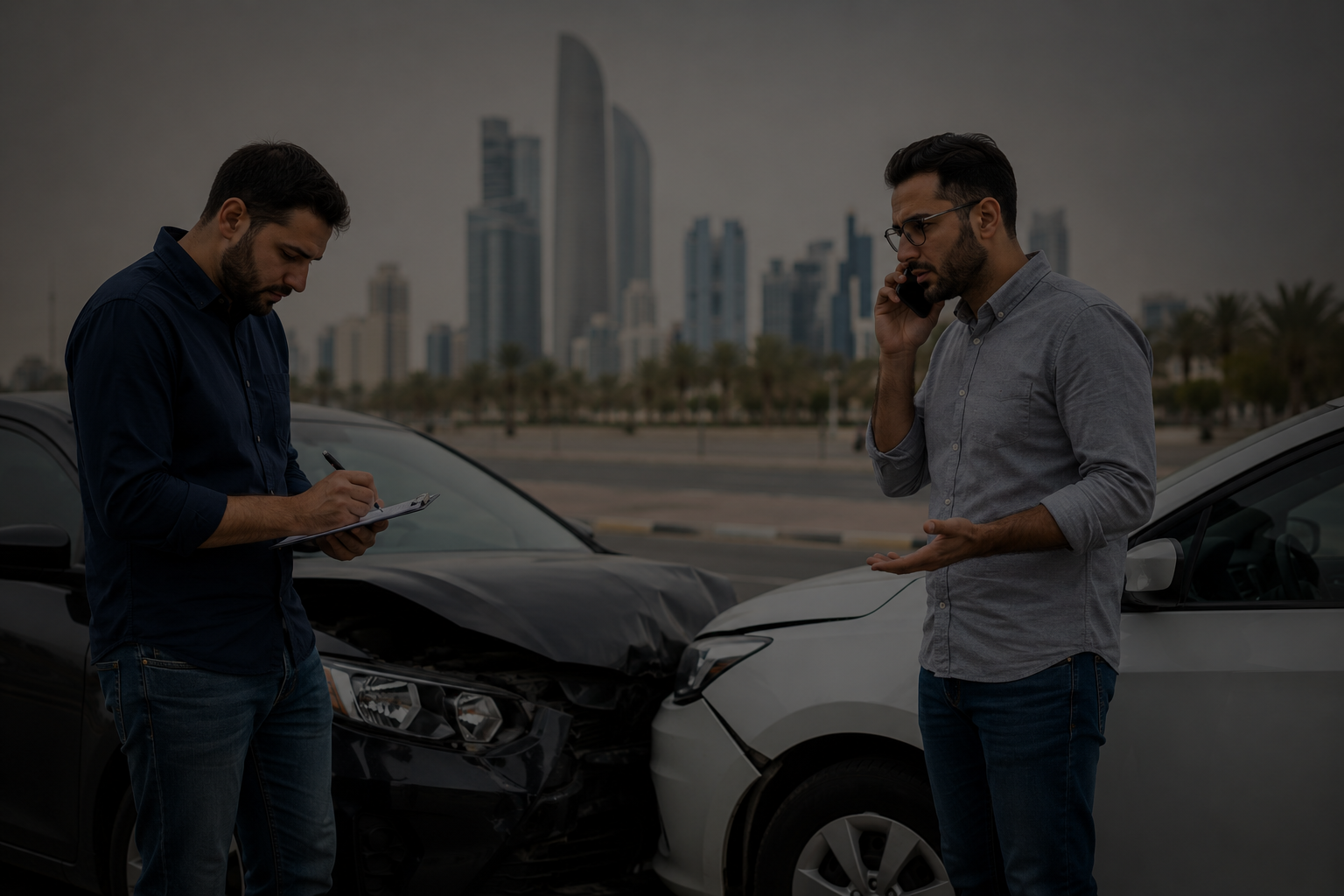
If you want to check a car accident history through MOI in Abu Dhabi, the answer is yes. You can review available accident records by using official services and the correct vehicle details. However, you should also compare the available records with the car’s physical condition and maintenance history before you buy or sell any used vehicle. This simple step helps you avoid expensive surprises and gives you more confidence during the transaction.
Buying a used car always involves some risk. A vehicle may look clean from the outside, yet it could have a history of accidents or major repairs. Because of that, smart buyers never rely only on appearance. Instead, they spend a few minutes checking the vehicle’s accident history before making a decision.
Many people in Abu Dhabi search for ways to check accident records before paying for a car. They want to know whether the vehicle has been involved in minor collisions or serious crashes. They also want to understand whether the previous damage could affect safety, value, or future maintenance costs.
Likewise, sellers also benefit from checking the accident history. They can answer buyers honestly, prepare the right documents, and build trust throughout the selling process.
This guide explains everything you need to know about checking car accident history through MOI in Abu Dhabi, why it matters, what information you may find, and how iCarsU.com helps buyers and sellers make better decisions.
Why Accident History Matters
A used vehicle always has a story. Sometimes that story includes accidents, repairs, or insurance claims. Therefore, learning about that history protects your money.
Even a small accident may influence a vehicle’s value. On the other hand, a major collision can affect the frame, suspension, airbags, and many other important systems.
Checking accident records helps you:
-
Understand the vehicle’s past.
-
Estimate a fair market value.
-
Avoid hidden repair costs.
-
Negotiate with confidence.
-
Reduce buying risks.
-
Protect your family’s safety.
Furthermore, knowing the vehicle’s history allows you to compare the seller’s information with official records.
What Is MOI Accident History?
MOI stands for the Ministry of Interior. Various official services provide accident information for eligible vehicles registered in the UAE.
These records may include reported traffic accidents that authorities have documented. Depending on the available information, you may see details related to previous incidents involving the vehicle.
However, not every repair appears in official records. For example, if someone repaired a vehicle privately without reporting an accident, the database may not show that repair.
Therefore, accident history should become one part of your complete vehicle inspection process.
Why Buyers in Abu Dhabi Check Accident History
Abu Dhabi has a large used car market. Every day, thousands of buyers compare vehicles from dealerships, online marketplaces, and private sellers.
Naturally, everyone wants the best deal.
Unfortunately, some vehicles have hidden problems that remain invisible during a quick inspection.
على سبيل المثال:
Checking official accident history reduces uncertainty before you invest your money.
As a result, you can make smarter buying decisions.
When Should You Check Accident History?
Timing matters.
You should never wait until after paying for the vehicle.
Instead, check the history before:
Likewise, sellers should also review the history before listing their cars for sale.
Doing so helps answer buyer questions quickly.
Information You Need
Before you check accident history, gather the vehicle details.
Usually, you may need information such as:
Always make sure the information matches the actual vehicle.
Never rely only on handwritten numbers.
Instead, compare the VIN shown on the dashboard, registration card, and vehicle body.
Everything should match perfectly.
Understanding the VIN
The Vehicle Identification Number acts like the car’s fingerprint.
Every vehicle receives its own unique VIN.
This number helps identify:
-
Manufacturer
-
Production year
-
Factory
-
Vehicle specifications
-
Individual serial number
Because every VIN is unique, official accident records connect directly to this number.
Therefore, entering the correct VIN becomes extremely important.
Even one incorrect character may produce no results or incorrect information.
What Accident Records Can Tell You
After checking available records, you may discover useful information about the vehicle’s past.
Depending on the available database, records may show:
-
Reported accident dates
-
Number of recorded accidents
-
Basic accident information
-
Location of incidents
-
Damage reports where available
However, different records provide different levels of detail.
Therefore, always review all available information carefully.
What Accident History Cannot Tell You
Although accident history provides valuable information, it cannot answer every question.
For example, records usually cannot tell you:
-
Current engine condition
-
Transmission health
-
جودة الإطارات
-
Suspension wear
-
Brake condition
-
Battery life
-
Interior condition
Likewise, accident history does not replace a complete mechanical inspection.
Instead, it complements the inspection.
Using both together gives you much better confidence.
Why Some Cars Have No Accident Records
Some buyers worry when they cannot find any accident history.
Several reasons explain this.
على سبيل المثال:
-
The vehicle never had a reported accident.
-
Repairs happened privately.
-
Older records may not appear.
-
The vehicle spent time outside the UAE.
-
Information remains unavailable for certain incidents.
Therefore, “no accident record found” does not always guarantee the vehicle never experienced damage.
Always inspect the vehicle physically.
Signs That a Car May Have Previous Damage
Even if official records appear clean, you should still inspect the vehicle carefully.
Look for signs such as:
These signs do not automatically mean the vehicle has major damage.
However, they deserve closer attention.
Common Types of Accident Damage
Understanding different accident types helps buyers evaluate risk.
Minor Cosmetic Damage
This usually includes:
-
Small scratches
-
Light bumper damage
-
Minor dents
Generally, these repairs have little effect on safety.
Moderate Collision Damage
This may involve:
-
Fender replacement
-
Door repairs
-
Suspension repairs
-
Lighting replacement
Repair quality becomes very important.
Major Structural Damage
This type deserves careful attention.
Examples include:
These vehicles require detailed inspection before purchase.
Why Repair Quality Matters
An accident alone does not automatically make a car bad.
Many vehicles receive professional repairs and continue performing well.
However, poor repairs create future problems.
Examples include:
-
Water leaks
-
Alignment issues
-
Tire wear
-
Steering problems
-
Suspension noise
-
Paint peeling
Therefore, buyers should evaluate repair quality instead of focusing only on the accident itself.
Checking Service History Along With Accident History
Service records tell another important part of the vehicle’s story.
Regular maintenance often indicates responsible ownership.
Look for evidence of:
-
Oil changes
-
Brake servicing
-
Tire replacement
-
Battery replacement
-
Coolant service
-
Transmission service
Together, accident records and service history provide a more complete picture.
Why Sellers Should Check Their Own Cars
Many sellers believe only buyers need accident history.
Actually, sellers benefit too.
Checking records before advertising helps them:
-
Prepare accurate listings.
-
Build buyer confidence.
-
Avoid unexpected surprises.
-
Explain previous repairs.
-
Price the vehicle fairly.
Honest information often leads to faster negotiations.
How Accident History Affects Vehicle Value
Vehicle history influences resale value.
Generally:
-
Clean history attracts more buyers.
-
Minor repairs may reduce value slightly.
-
Major accidents often reduce value more.
However, every vehicle differs.
Factors affecting value include:
-
Vehicle age
-
المسافة المقطوعة
-
Brand
-
الطراز
-
Repair quality
-
Maintenance history
-
Overall condition
Therefore, accident history represents only one part of vehicle pricing.
Should You Buy a Car With Accident History?
The answer depends on several factors.
Ask yourself:
-
How serious was the accident?
-
Who repaired the vehicle?
-
Were genuine parts used?
-
Does the repair look professional?
-
Does the car drive normally?
-
Does the price reflect the history?
Many vehicles with minor accident history remain excellent purchases.
However, severe structural damage deserves much greater caution.
Red Flags During a Used Car Purchase
Always stay alert for warning signs.
Examples include:
-
Seller refuses inspection.
-
VIN numbers do not match.
-
Repair invoices are missing.
-
Fresh paint appears in isolated areas.
-
Airbag warning lights remain on.
-
Dashboard warning lights stay illuminated.
-
Steering pulls to one side.
-
Uneven tire wear appears.
If several warning signs appear together, continue carefully.
Benefits of Verifying Vehicle History Before Buying
Checking vehicle history offers many advantages.
For example, it helps you:
-
Reduce financial risk.
-
Avoid hidden repairs.
-
Increase negotiation power.
-
Compare different vehicles.
-
Build purchase confidence.
-
Save future repair costs.
Consequently, spending a little time today may save thousands of dirhams later.
How iCarsU.com Helps Buyers
At iCarsU.com, we understand that buying a used car should feel simple and transparent.
Our team encourages buyers to verify available vehicle information before making important decisions.
We believe informed buyers make smarter purchases.
Therefore, we always recommend reviewing accident history together with:
-
Vehicle inspection
-
تاريخ الخدمة:
-
Ownership records
-
Road testing
-
Market valuation
Combining these steps creates a much clearer picture of the vehicle.
How iCarsU.com Helps Sellers
Selling becomes easier when buyers trust your information.
At iCarsU.com, we encourage sellers to prepare their vehicles before advertising.
This preparation includes:
-
Cleaning the vehicle
-
Organizing documents
-
Reviewing accident history
-
Gathering maintenance records
-
Checking vehicle condition
As a result, buyers often feel more comfortable throughout the transaction.
Mistakes Buyers Should Avoid
Many buyers become excited after seeing a beautiful vehicle.
Unfortunately, excitement sometimes leads to expensive mistakes.
Avoid these common errors:
-
Skipping accident history checks.
-
Ignoring the VIN.
-
Believing verbal promises alone.
-
Buying without inspection.
-
Rushing negotiations.
-
Ignoring warning lights.
-
Forgetting maintenance records.
-
Paying before verification.
Careful buyers usually experience fewer problems later.
Combining Multiple Checks for Better Decisions
Smart vehicle buying never depends on one report alone.
Instead, combine several sources of information.
Review:
-
سجل الحوادث
-
VIN information
-
سجلات الخدمة
-
Registration documents
-
Physical inspection
-
Test drive
-
Market value
Together, these steps provide much stronger confidence.
Buying From a Private Seller
Private sellers often offer attractive prices.
However, buyers should complete extra verification.
Check:
-
وثائق الملكية:
-
سجل الحوادث
-
VIN consistency
-
Maintenance records
-
Registration information
Additionally, inspect the vehicle during daylight whenever possible.
Good lighting helps reveal previous repairs.
Buying From a Dealer
Professional dealerships often provide additional documentation.
Even so, buyers should still verify everything independently.
Never assume every vehicle has a perfect history.
Instead, perform your own checks before making payment.
Independent verification protects your investment.
Accident History and Insurance
Insurance companies often evaluate vehicle history when assessing risk.
Previous accident records may influence future insurance decisions depending on the circumstances.
Therefore, knowing the history before buying helps you prepare for future ownership costs.
Peace of Mind Before Every Purchase
Buying a used vehicle should never depend on luck.
Fortunately, official accident records, careful inspections, and proper documentation make the process much safer.
Instead of guessing, you can make decisions based on facts.
That approach protects both your money and your family.
Whether you plan to keep the vehicle for years or sell it later, understanding its history remains one of the smartest steps you can take.
For buyers and sellers across Abu Dhabi, checking car accident history before completing any transaction creates greater transparency, stronger confidence, and better long-term value. When you combine official accident information with a thorough inspection, complete documentation, and honest communication, you place yourself in the best position to make a successful used car decision. iCarsU.com encourages every customer to follow these practical steps before buying or selling any vehicle in the UAE.

 عاجل؟ واتساب مشترٍ عبر الواتساب












 English
  Arabic

