
 Urgent? WhatsApp a buyer


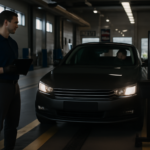






Sell Your Car with FREE Valuation in Abu Dhabi: The Complete Guide
Sell Your Car with Free Valuation in Abu Dhabi: The Complete Guide
You can sell your car quickly and easily in Abu Dhabi with a free valuation when you choose the right buyer. A professional car valuation gives you an accurate price instantly—no hidden fees, no delays, and no haggling. This guide shows you exactly how to get a fair offer for your vehicle and complete the sale without stress.
Selling a car in Abu Dhabi doesn’t have to be complicated. Instead of posting ads online, waiting for calls, or negotiating with strangers, you can work with a trusted buyer who offers immediate valuations. The right approach saves you time and money while ensuring you receive the best possible price.
Why Free Car Valuations Matter in Abu Dhabi
A free valuation is more than just a number. It gives you confidence in the selling process. When a buyer inspects your vehicle thoroughly and provides a transparent price quote, you know exactly what your car is worth in today’s market.
Many car sellers in Abu Dhabi struggle because they don’t know their vehicle’s true value. Therefore, they either ask too much and receive no offers, or accept too little and leave money on the table. A professional valuation solves this problem immediately. The inspector checks the engine, transmission, interior condition, mileage, accident history, and all mechanical systems. They also verify the ownership documents and mulkiya registration.
Once the inspection is complete, you receive a fair market price. This price reflects the actual condition of your car, not an inflated estimate designed to hook you into a bad deal. Furthermore, a transparent valuation builds trust between you and the buyer.
What Happens During a Free Car Inspection
Understanding the inspection process helps you prepare your vehicle and know what to expect. A thorough inspection typically takes 30 to 45 minutes, depending on the car’s condition and age.
The inspector checks several key areas. First, they examine the exterior for dents, scratches, rust, and paint condition. Next, they test all lights, wipers, and electrical components. Then they inspect the engine, checking for leaks, unusual sounds, and proper operation. The transmission receives special attention—the inspector tests all gears and listens for grinding or slipping sounds.
Inside the cabin, the inspector verifies that the air conditioning works properly, all windows function correctly, and the interior shows no major damage. Additionally, they check the tires for wear and proper inflation. The inspector also scans the vehicle’s computer system for any fault codes that indicate mechanical problems.
Most importantly, the inspector reviews your service history and maintenance records. In the UAE, regular servicing significantly increases your car’s value. Therefore, having complete maintenance documents ready boosts your valuation considerably.
How to Sell My Car Quickly in Abu Dhabi
Speed matters when you need to sell. Whether you’re upgrading to a new model, relocating, or facing financial pressure, you want results fast. The fastest way to sell your car is through a professional buyer who offers immediate valuations and completes paperwork the same day.
Online platforms can take weeks or months because you must handle inquiries, arrange viewings, and negotiate with multiple buyers. In contrast, selling to a professional buyer eliminates these steps. You call, arrange an inspection at a time that suits you, receive an offer, and complete the sale—often within 24 hours.
To maximize your speed, prepare your documents in advance. Gather your original mulkiya, Driveway (Emirates ID), proof of insurance, and service records. Clean your car thoroughly inside and out. Additionally, fix any minor issues that don’t cost much but significantly improve appearance—such as replacing burned-out bulbs or washing the windows.
The paperwork transfer in Abu Dhabi requires visiting the RTA (Roads and Transport Authority) office or using their online portal. However, many professional buyers handle this process for you, saving you another trip and more time.
Understanding Car Valuation Factors in the UAE Market
Several factors determine your car’s value in Abu Dhabi. Age is important—older vehicles naturally cost less. However, a well-maintained 10-year-old car can be worth more than a neglected 5-year-old model.
Mileage heavily influences price. Most vehicles depreciate based on kilometers driven. The industry standard in the UAE suggests around 15,000 to 20,000 kilometers per year for average drivers. Higher mileage reduces value, while lower mileage increases it.
Condition determines everything. A car with no accident history, full service records, and excellent mechanical condition commands premium prices. Additionally, the color matters—white and silver cars sell faster in Abu Dhabi because they reflect heat. Black and dark colors require more maintenance in the intense desert heat.
Vehicle history impacts value significantly. Any previous accidents, even minor ones, reduce price. However, if you disclose this information upfront, buyers appreciate the transparency. The RTA maintains accident records, and professional inspectors check this history during valuation.
Supply and demand also affect pricing. Popular models from manufacturers like Toyota, Honda, and Nissan maintain higher values. Luxury brands sometimes hold value better, but expensive repairs and maintenance costs can offset this advantage.
Depreciation and What You Can Expect
Understanding depreciation helps you set realistic expectations for your sale price. Most vehicles lose significant value in their first year—typically 15% to 20% of the original purchase price. This depreciation rate slows over time.
After the first year, expect annual depreciation of 10% to 15% for most vehicles. However, this varies by brand, model, and condition. Toyota Corollas, Honda Civics, and Nissan Altimas hold value particularly well in the UAE market. Luxury vehicles sometimes depreciate faster because of expensive parts and specialized maintenance.
The 20% depreciation many sellers mention refers to the first-year loss. Therefore, a car worth 100,000 AED new might be worth 80,000 AED after one year. This is normal and expected. Moreover, if you purchase a used car that is 3 to 5 years old, you avoid the steepest depreciation and still get a reliable vehicle.
To maximize your car’s value when selling, maintain it excellently. Regular oil changes, brake inspections, and tire rotations preserve mechanical condition. Detailed service records prove you invested in proper maintenance, which buyers reward with higher offers.
Finding the Best Buyer for Your Vehicle
You have several options when selling a car in Abu Dhabi. Private sales, dealerships, and professional car buyers each offer different advantages. Consequently, understanding these options helps you choose the best path.
Private sales can potentially fetch higher prices because you avoid middlemen. However, private sales require significant effort. You must advertise online, screen calls, arrange multiple viewings, and negotiate with each potential buyer. Additionally, private sales carry safety risks—you’re meeting strangers, and payments can be complicated.
Dealerships offer convenience but typically pay less than market value because they resell vehicles for profit. They make money on the difference, so their initial offer is usually 10% to 20% below what an independent buyer would pay.
Professional car buyers like iCarsU provide a middle ground. They offer fair market prices based on thorough inspections. Furthermore, they handle all paperwork, manage the RTA transfer, and complete the transaction quickly. Most importantly, they provide transparency—you know exactly what you’re getting paid and why.
The RTA Inspection: What You Need to Know
If you plan to sell your car privately, most buyers require an RTA (Roads and Transport Authority) inspection report. This official inspection proves your vehicle meets safety standards. Many sellers ask: “How to pass RTA car inspection?”
Preparing for an RTA inspection involves checking several systems. Ensure all lights work—headlights, taillights, brake lights, and turn signals. Test your brakes thoroughly and replace worn brake pads if necessary. Check tire condition and tread depth. Verify that your horn works and your windshield wipers function properly. Additionally, make sure your air conditioning system works at minimum capacity.
The RTA inspection also checks emissions. Therefore, ensure your engine runs smoothly and your catalytic converter functions correctly. Have your vehicle serviced before the inspection if you suspect any mechanical issues.
You can book your RTA vehicle inspection online through the official RTA portal or visit an inspection center directly. The inspection report remains valid for a specific period, so check the expiration date before using it in a sale.
The cost of RTA inspection is reasonable—typically between 100 and 200 AED depending on your vehicle type. However, many professional buyers handle this inspection for you, which means you save both money and time.
Documentation Required to Sell Your Car Legally
Proper documentation is essential when you sell any car in Abu Dhabi. Missing or incorrect documents can delay the sale or create legal problems later. Therefore, gather everything before starting the sales process.
First, you need the original mulkiya (vehicle registration certificate). This document proves ownership and contains important vehicle information. Next, prepare your original Emirates ID and a valid passport copy. The buyer also needs to verify their identity with their Emirates ID.
Gather all service records and maintenance documentation. These prove you maintained the vehicle properly and increase its value. Additionally, collect proof of insurance covering the current year. If your vehicle has had any major repairs or body work, include documentation for these as well.
If you’ve financed the car through a bank, contact them about the outstanding loan. You cannot transfer ownership until the loan is fully paid. The bank releases the mulkiya once they receive full payment. Moreover, some buyers can arrange financing solutions, but this must be clarified before making an offer.
Transfer of ownership in Abu Dhabi requires visiting the RTA office with both buyer and seller present. Alternatively, authorized dealers and some professional buyers can manage this process on your behalf, which saves significant time and effort.
Setting a Realistic Price for Your Vehicle
Before approaching buyers, research your car’s market value. Several websites allow you to value your car online quickly. You input your vehicle’s make, model, year, mileage, and condition, and the system provides an estimate based on current market data.
However, online valuations are starting points, not final prices. They cannot assess condition as thoroughly as a professional inspector. Therefore, use online tools to understand the ballpark range, but expect the actual offer to differ based on your specific vehicle’s condition.
When setting your asking price, be realistic. Overpricing your car means no one will inquire. Underpricing means you leave money on the table. A fair price falls between these extremes and attracts serious buyers quickly.
Research comparable vehicles in the Abu Dhabi market. Look for similar makes, models, years, and mileage. Note their asking prices and compare your vehicle’s condition. This research takes an hour but provides invaluable perspective on fair pricing.
The Sale and Payment Process
Once you and the buyer agree on a price, the actual transaction begins. Professional buyers like iCarsU offer immediate payment—often within hours of inspection. They don’t need time to secure financing because they work with established capital.
Payment methods vary. Most professional buyers offer bank transfer for security and documentation purposes. Some also accept cashier’s checks or direct deposits. Avoid accepting large amounts of cash if possible—it’s risky, difficult to verify, and creates taxation questions.
The buyer typically inspects the vehicle one final time before payment. They verify that all terms match—mileage hasn’t changed, no new damage appeared, and all promised documents are present. Then funds transfer to your account.
After payment clears, you must complete the RTA transfer. Both buyer and seller appear together or authorize representatives to handle the transfer. The process involves submitting the mulkiya, signed transfer forms, insurance documents, and inspection reports. The RTA then issues new registration in the buyer’s name.
Common Mistakes to Avoid When Selling Your Car
Many sellers sabotage their own sales through preventable mistakes. Understanding these errors helps you avoid them and maximize your selling price.
First, failing to maintain service records is a major mistake. Buyers pay significantly more for vehicles with complete maintenance documentation. Furthermore, missing service history raises red flags—buyers assume you neglected the car.
Second, attempting to hide defects backfires. If you misrepresent your vehicle’s condition, the buyer can back out of the sale, report you to authorities, or even pursue legal action. Additionally, professional inspectors find hidden damage, so dishonesty doesn’t help.
Third, setting unrealistic prices wastes everyone’s time. If your asking price exceeds market value by 15% or more, serious buyers simply ignore your listing. Instead, price competitively and generate immediate interest.
Fourth, neglecting basic cleaning is a surprisingly common mistake. A dirty car creates a negative first impression and suggests poor maintenance. Spend a few hours cleaning inside and out—this small effort can increase your final offer by several hundred dirhams.
Fifth, failing to gather documents before the sale process starts delays everything. Have all paperwork ready from day one to demonstrate professionalism and facilitate quick completion.
Why Professional Buyers Offer Fair Prices
You might wonder why professional car buyers offer fair prices when they plan to resell vehicles for profit. The answer lies in volume and efficiency. Professional buyers handle dozens of transactions monthly. They can’t afford complaints, disputes, or legal problems. Therefore, they price fairly and treat every seller with respect.
Additionally, professional buyers invest in proper inspections. They know a vehicle’s exact condition and can price accurately. They don’t lowball everyone hoping for a lucky deal. Instead, they calculate fair market value and offer accordingly. This approach builds reputation, attracts more sellers, and creates sustainable business.
Moreover, professional buyers handle all administrative work. They manage RTA transfers, title changes, and paperwork. They don’t expect sellers to handle bureaucracy. This saves you time and ensures everything completes correctly.
Understanding the Abu Dhabi Used Car Market
Abu Dhabi’s used car market has unique characteristics. The climate affects vehicle values significantly—air-conditioning systems get heavy use, and the intense heat degrades paint and interior materials faster than in temperate climates.
Fuel efficiency matters more in the UAE than many markets because petrol prices fluctuate and driving distances are often long. Therefore, vehicles like the Toyota Corolla and Honda Civic maintain strong values. Large SUVs sell less quickly unless they’re luxury brands.
The expatriate population affects the market considerably. Many expats buy used cars when arriving in the UAE and sell them when leaving. This creates seasonal patterns—more inventory becomes available around summer holidays and at year-end when contracts end.
Additionally, Abu Dhabi’s proximity to other emirates means competition. Buyers can compare prices in Dubai, Sharjah, and other emirates. Therefore, competitive pricing is essential. If your price exceeds nearby markets without justified reason, buyers will shop elsewhere.
Economic conditions also influence the market. When the UAE economy strengthens, used car prices rise because more people upgrade to newer vehicles. Conversely, during slower periods, used car demand increases as budgets tighten.
Getting Ready to Sell: A Checklist
Preparing properly ensures a smooth, quick sale. Follow this checklist to organize everything before approaching buyers.
Clean your car thoroughly, inside and out. Vacuum the interior, wash windows, wipe down the dashboard, and clean the trunk. A clean car always attracts better offers. Additionally, address any visible minor issues—replace burned-out lights, fix trim that’s coming loose, and repair small interior damages.
Gather all documents in one folder. Include the original mulkiya, your Emirates ID copy, vehicle insurance, service records, warranty documents if applicable, and any inspection reports. Having these ready prevents delays and demonstrates organization.
Schedule a professional inspection before contacting buyers. Some independent mechanics offer pre-sale inspections for reasonable fees. This inspection identifies potential issues you can address or disclose upfront. Additionally, knowing your vehicle’s condition helps you price realistically.
Research comparable vehicles to establish a reasonable asking price. Spend time on online platforms looking at similar cars. Note their prices, mileage, and condition. This research informs your pricing strategy.
Take clear photos of your vehicle from multiple angles. Photograph the exterior, interior, engine, and any notable features or damage. Quality photos attract serious inquiries when selling privately.
The Advantages of Selling to Professional Buyers
Choosing a professional buyer simplifies everything. These companies buy thousands of vehicles annually, so they’ve perfected the process. You benefit from their experience and efficiency.
Professional buyers offer fair valuations based on standardized inspection criteria. They don’t play games or make low initial offers hoping you’ll accept. Instead, they inspect thoroughly and quote a fair price upfront. If you accept, the transaction proceeds quickly.
Furthermore, professional buyers handle all administrative requirements. They manage the RTA transfer, handle title changes, arrange insurance changes, and complete all paperwork. You simply sign documents and provide the keys.
Payment happens immediately with professional buyers. You don’t wait days for checks to clear or worry about payment security. Bank transfers complete within hours, and funds appear in your account.
Additionally, professional buyers protect your privacy. You don’t give your phone number to dozens of strangers. You don’t arrange multiple viewings at your home or workplace. Instead, you contact the buyer once, and the transaction moves forward smoothly.
Most importantly, professional buyers assume all responsibility. If the engine has a hidden problem or the transmission develops issues after sale, that’s their concern, not yours. Once you receive payment, you’re finished.
Contacting a Buyer and Starting the Process
When you’re ready to sell, contact a professional buyer with your vehicle information. Provide the make, model, year, mileage, and a brief description of condition. Most buyers respond within hours with an initial price estimate.
This estimate is approximate because inspectors haven’t seen the vehicle yet. However, it gives you an idea whether the buyer is serious. If the estimate seems far too low, you can contact other buyers and compare.
Once you accept an initial estimate, you’ll schedule an inspection at a time convenient for you. The inspection typically takes 30 to 45 minutes. You’re welcome to stay during the process—in fact, the inspector will ask questions about your vehicle’s history.
After inspection, the buyer provides a final offer. This offer reflects the vehicle’s actual condition. If you accept, payment and paperwork completion follow immediately. If you don’t accept, there’s no obligation—you can contact other buyers or list your car elsewhere.
Finalizing Your Sale and Moving Forward
After you accept an offer and payment transfers, your primary responsibility ends. However, final steps remain. You must notify your insurance company that you’ve sold the vehicle so they stop coverage and refund any unused premiums.
Keep proof of the sale for your records. The buyer receives the original mulkiya and title documents, but you should retain documentation showing when and to whom you sold the vehicle. This protects you if any issues arise later.
The buyer completes the RTA registration transfer within days of purchase. You may receive notifications about this transfer. Once the RTA processes the transfer, the vehicle is completely theirs legally and administratively.
Finally, use the proceeds from your sale wisely. Whether you’re buying a new vehicle, paying off debt, or investing the funds, you’ve successfully completed a significant transaction. You sold your car fairly, quickly, and without stress.
Selling your car with a free valuation in Abu Dhabi offers the easiest path to a quick transaction at fair market prices. Professional buyers provide transparent inspection and pricing, handle all paperwork, and complete the sale in 24 hours or less. By preparing properly, pricing realistically, and choosing a reputable buyer, you ensure a smooth experience that benefits both parties. Whether you’re upgrading, relocating, or simply ready for a change, the right buyer makes selling straightforward and rewarding.
What documents do I need if my car still has an outstanding loan from a bank?
If your vehicle has an outstanding bank loan, you cannot transfer ownership until the loan is fully paid. Contact your bank and inform them of your intention to sell. The bank will provide settlement figures and instructions. Once you pay off the loan completely, the bank releases the original mulkiya to you. Some professional car buyers can facilitate this process by coordinating with your lender, but you must settle the loan before the sale finalizes. Never attempt to sell a vehicle with an active loan—it creates legal complications for both you and the buyer.
How quickly can I receive payment after accepting a car valuation offer in Abu Dhabi?
Professional car buyers typically process payment within 24 hours of inspection and offer acceptance. Many transfer funds the same day you accept their offer. The exact timeline depends on your bank’s processing speed—most bank transfers complete within a few hours during business days. If you need immediate cash, discuss payment timing when you contact the buyer. Some buyers offer faster processing for an additional small fee, though most include same-day payment as standard service. Avoid buyers who request delays or payment through unusual methods.
Can I sell my car valuation vehicle if it has been in a minor accident previously?
Yes, you can sell a car that has been in a previous accident. However, you must disclose this information upfront. The RTA maintains accident records that professional inspectors check during valuation. Hiding an accident history is illegal and damages your credibility. When you disclose accidents transparently, buyers appreciate your honesty and may still offer fair prices if repairs were completed properly. The impact on your car’s valuation depends on the accident severity, repair quality, and whether structural damage occurred. Minor accidents with professional repairs typically reduce value less than major incidents with questionable repairs.
Is it better to sell my car through a dealership or a professional independent buyer in Abu Dhabi?
Professional independent buyers typically offer better prices than dealerships. Dealerships buy vehicles at wholesale prices to resell for profit, which means their initial offers are usually 10% to 20% below market value. Independent professional buyers like iCarsU operate on volume and efficiency, allowing them to offer fairer prices closer to true market value. Additionally, independent buyers handle all paperwork and RTA transfers, similar to dealerships, but without the markup. If maximum speed and convenience matter most, both options work well. If receiving the highest possible price is your priority, professional independent buyers generally provide better valuations.
What should I do if a buyer’s car valuation offer seems significantly lower than my online estimates?
If an offer seems unusually low, ask the inspector to explain their valuation in detail. They should point out specific condition issues, mechanical problems, or market factors affecting price. Listen carefully—their assessment may reveal issues you weren’t aware of. If you disagree with their evaluation, you can contact other buyers and request additional inspections for comparison. Online valuation tools provide ballpark estimates but cannot assess condition like professional inspectors can. Get at least two or three independent valuations before deciding. If multiple buyers offer similar prices despite your high online estimate, the market assessment is likely accurate and online tools overestimated your vehicle’s actual value.
Add a comment Cancel reply
Categories
- Abu Dhabi (2)
- Accident History (2)
- Accidents (4)
- Car News (1)
- Car Registration (1)
- GCC Specs (4)
- Imported (4)
- Sell a car (1)
- Specs (2)
- Uncategorized (32,912)
- Used Car Buyer (183)
Recent Posts
Related posts
Who Buys Junk Cars Near Al Wahda Abu Dhabi: Your Complete Guide to Getting CASH FAST
iCarsU.com
June 9, 2026
We work by appointments only. Please call or text to arrange an appointment first
Service Areas: Abu Dhabi (Head Office), Dubai, Sharjah, Ajman, Ras Al Khaimah, Fujairah, Umm Al Quwain.

Westburry Tower, 3rd Floor, Marasi Drive, Business Bay, Dubai, UAE
 English
  Arabic